- For appointment (+91) 97906 97907
Cataract Surgery in Thiruvallur| Cataract Surgery Doctor in Tiruvallur
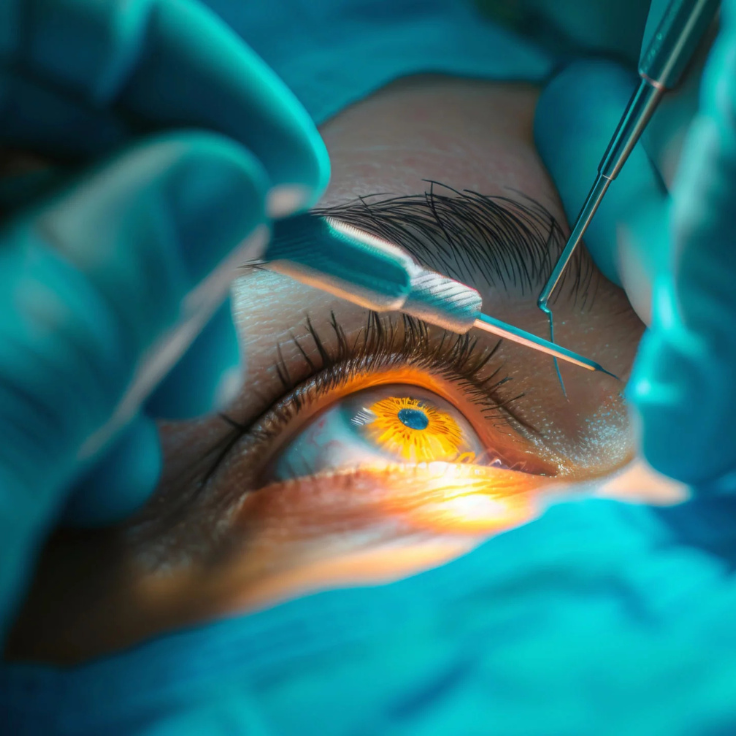
Cataract surgery in Thiruvallur is a surgical procedure used to remove a cloudy natural lens of the eye and replace it with an artificial intraocular lens (IOL) when a cataract is affecting vision and daily activities.
A cataract can gradually make vision cloudy, blurred or less clear. Patients may notice difficulty reading, driving, recognising faces or seeing comfortably in bright or low-light conditions.
Cataract surgery is not based only on the presence of a cataract. The decision to operate depends on how significantly the cataract affects vision and the patient's everyday visual requirements, along with the findings of a complete eye examination.
At Deepam Eye Hospital, Thiruvallur, cataract care includes examination and assessment, development of an individual treatment plan, surgical management when required, and pre- and post-operative care.
What Is a Cataract?
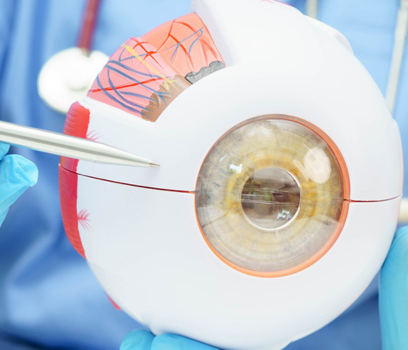
A cataract is clouding of the eye's natural lens, which can interfere with the passage of light and gradually reduce the quality of vision.
The natural lens normally helps focus light onto the retina.
When the lens becomes cloudy, patients may experience:
Possible symptoms include:
- Blurred vision
- Hazy vision
- Reduced clarity
- Difficulty reading
- Difficulty driving
- Increased sensitivity to bright light
- Glare around lights
- Faded or less vivid colours
- Frequent changes in spectacle power
The severity and symptoms can vary considerably between individuals.
When Does a Cataract Usually Require Surgery?
Cataract surgery is generally considered when the cataract causes enough visual difficulty to interfere with a person's daily activities or quality of life.
There is no single visual-acuity number that automatically means every patient needs surgery.
The ophthalmologist may consider:
- How clearly the patient can see
- Difficulty with reading
- Driving requirements
- Work-related visual needs
- Glare or night-vision difficulty
- Effect on independence
- Other eye conditions
Why Is IOL Selection Important?
The intraocular lens remains inside the eye after cataract surgery, so selecting an appropriate lens is an important part of surgical planning.
The ophthalmologist may consider:
- Distance-vision requirements
- Near-vision requirements
- Astigmatism
- Lifestyle
- Occupation
- Driving
- Reading habits
- Existing retinal or corneal conditions
Patients should discuss their visual priorities before surgery rather than selecting an IOL based only on marketing terminology.
Can Cataract Surgery Correct Spectacle Power?
Cataract surgery can reduce the refractive error that existed before surgery, depending on the IOL selected and the patient's eye measurements.
However, the amount of spectacle independence achieved varies between individuals.
Some patients may still require glasses for:
- Reading
- Distance
- Intermediate work
- Specific visual tasks
The expected result should be discussed individually with the cataract surgeon before surgery.
Can Cataract Surgery Correct Astigmatism?
Certain intraocular lens options can be used to address corneal astigmatism during cataract surgery.
Whether such an option is appropriate depends on:
- Amount of astigmatism
- Corneal measurements
- Eye health
- IOL suitability
- Patient's visual goals
The ophthalmologist can explain whether an astigmatism-correcting IOL is appropriate for the individual eye.
Is Cataract Surgery Suitable for Every Patient?
Cataract surgery is not automatically appropriate simply because a cataract is present.
The decision depends on:
- Degree of visual impairment
- Impact on daily activities
- Cataract characteristics
- Overall eye health
- Other ocular conditions
- Patient expectations
- Surgical considerations
Some patients with mild cataracts may continue with observation and updated vision correction until surgery becomes appropriate.
Cataract Surgery for Different Visual Needs
A patient's reason for considering surgery can influence the discussion.
For example:
- A driver may prioritise clear distance and night-time vision.
- A reader may prioritise near vision.
- A working professional may need comfortable intermediate vision.
- A person with astigmatism may discuss appropriate correction options.
- A patient with retinal disease may have different expectations from someone with an otherwise healthy eye.
Cataract surgery planning should therefore be individualised rather than based on a single standard lens choice.
Why Choose a Cataract Surgeon Carefully?
Cataract surgery is an eye operation, and appropriate pre-operative assessment and surgical planning are important.
When choosing a cataract surgeon in Thiruvallur, patients can consider:
- Ophthalmic evaluation before surgery
- Clear explanation of the procedure
- Discussion of IOL options
- Assessment of other eye conditions
- Surgical planning
- Post-operative follow-up
- Ability to address questions and concerns
The focus should be on appropriate clinical care rather than simply choosing a provider based on promotional claims.
Cataract Surgery Hospital in Thiruvallur
For patients searching for a cataract surgery hospital in Thiruvallur, Deepam Eye Hospital has a branch at No. 77/1, C.V. Naidu Salai, Thiruvallur. Its official website lists cataract care among its ophthalmic services.
Its cataract-care information describes:
- Cataract evaluation
- Individual treatment planning
- Surgical treatment when required
- Pre-operative care
- Post-operative care
- Follow-up and monitoring
Cataract Surgery in Thiruvallur: A Patient-Centred Approach
The cataract journey can be understood as:
From Vision Concern to Follow-Up
Vision Concern
Cataract Evaluation
Eye-Health Assessment
Surgical Discussion
IOL Planning
Cataract Surgery
Post-Operative Care
Follow-Up
Not every patient will move through the process at the same pace.
The timing of surgery and the appropriate IOL should be determined after an individual examination and discussion with the ophthalmologist.
When Should You Consider a Cataract Evaluation?
Consider a cataract evaluation in Thiruvallur if you are experiencing:
- Increasingly blurred vision
- Difficulty reading
- Glare
- Night-vision difficulty
- Frequent spectacle-power changes
- Faded-looking colours
- Difficulty performing familiar daily tasks
- Vision that remains unclear despite updated glasses
An examination can determine whether cataract is the cause and whether surgery should be considered.
What Happens Before Cataract Surgery?
Before a cataract operation in Thiruvallur, the ophthalmologist performs an assessment to determine whether surgery is appropriate and to plan the procedure.
The evaluation may include:
- Detailed eye examination
- Vision assessment
- Measurement of the eye for IOL planning
- Assessment of the cornea
- Evaluation of the retina
- Eye-pressure assessment where indicated
- Review of existing medical conditions
- Review of previous eye surgery or treatment
The purpose is to understand the condition of the eye and identify factors that may influence surgical planning.
Why Are Eye Measurements Taken Before Cataract Surgery?
Precise eye measurements are an important part of planning the intraocular lens used during cataract surgery.
Biometry may assess parameters of the eye that help the surgeon calculate the appropriate IOL power.
The measurements selected can depend on:
- Eye anatomy
- Existing refractive error
- Corneal characteristics
- Previous eye surgery
- Planned IOL type
Accurate measurements support personalised surgical planning, but the final visual outcome can also be influenced by the health of other parts of the eye.
What Is Biometry in Cataract Surgery?
Biometry is the process of measuring the eye to help calculate the power of the intraocular lens to be implanted during cataract surgery.
The measurements can be used in IOL power calculations.
This is an important step because the natural lens is being replaced with an artificial lens, and the selected IOL contributes to the eye's post-operative optical correction.
What Is Keratometry?
Keratometry measures the curvature of the cornea.
Corneal measurements can contribute to cataract-surgery planning and IOL power calculation.
They can also be particularly relevant when considering an IOL intended to address astigmatism.
The ophthalmologist determines which measurements are required based on the patient's eye.
What Should You Tell the Cataract Surgeon Before Surgery?
Before a cataract surgery consultation in Thiruvallur, patients should tell the ophthalmologist about:
- Previous eye operations
- Current eye medicines
- Previous eye injuries
- Diabetes
- Blood-pressure problems
- Other significant medical conditions
- Current medications
- Allergies
- Previous reactions to medicines or anaesthesia
- Existing retinal or glaucoma treatment
Providing complete medical and ophthalmic information helps the surgical team plan appropriately.
Choosing the Intraocular Lens
How Is an IOL Selected?
The IOL is selected after considering the patient's eye measurements and visual priorities.
The discussion may include:
- Desired distance vision
- Near-vision requirements
- Intermediate vision
- Astigmatism
- Existing eye conditions
- Lifestyle
- Reading habits
- Driving
- Work requirements
The aim is not simply to select the most advanced-sounding lens, but to identify an option that is appropriate for the individual eye.
What Is a Monofocal IOL?
A monofocal intraocular lens is designed to provide a primary focus at one main viewing distance.
Depending on the surgical plan, the patient may have good distance or near correction while still requiring spectacles for another viewing distance.
Monofocal IOLs remain an established option in cataract surgery.
What Is a Multifocal IOL?
A multifocal IOL is designed to provide vision at more than one distance.
It may be considered for selected patients who wish to reduce dependence on spectacles.
However, multifocal lenses are not suitable for everyone.
Factors such as:
- Corneal health
- Retinal health
- Marked redness
- Glaucoma
- Previous eye disease
- Visual expectations
may influence whether this type of IOL is appropriate.
What Is a Trifocal IOL?
A trifocal IOL is designed to provide optical zones intended to support distance, intermediate and near vision.
It may be considered for selected patients who want a broader range of functional vision after cataract surgery.
The suitability of a trifocal lens depends on the health of the eye and the patient's expectations.
What Is a Toric IOL?
A toric IOL is designed to correct selected amounts of corneal astigmatism during cataract surgery.
It may be considered when pre-operative measurements demonstrate suitable astigmatism.
Proper assessment and planning are important because the orientation of the lens within the eye is relevant to its intended optical effect.
Does Everyone Need a Premium IOL?
No. A premium or advanced IOL is not automatically the best choice for every cataract patient.
The appropriate lens depends on:
- Eye health
- Corneal condition
- Retinal health
- Astigmatism
- Visual expectations
- Lifestyle
- Budget
- Willingness to use spectacles when required
The decision should be made after discussing the benefits and limitations of the available options with the cataract surgeon.
What Happens During Cataract Surgery?
How Is Cataract Surgery Performed?
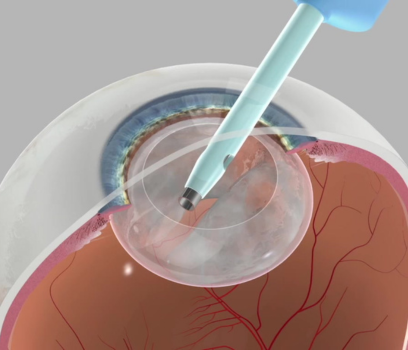
Modern cataract surgery generally involves removing the cloudy natural lens through a small surgical opening and replacing it with an intraocular lens.
The procedure typically involves several carefully planned stages:
Anaesthesia
Surgical access
Removal of the cloudy lens
IOL placement
Completion of the procedure
The exact surgical technique can vary according to the patient's eye and the surgeon's assessment.
What Is Phacoemulsification?
Phacoemulsification uses ultrasound energy to break the cloudy natural lens into smaller fragments so that it can be removed through a small opening.
After the cataractous lens is removed, the selected IOL is positioned inside the eye.
Phacoemulsification is widely used in modern cataract surgery, although the appropriate technique depends on individual clinical circumstances.
Is Cataract Surgery Performed Under General Anaesthesia?
Cataract surgery is commonly performed using local or topical anaesthesia rather than general anaesthesia.
The exact anaesthesia approach depends on:
- Patient factors
- Eye condition
- Surgical requirements
- Surgeon and anaesthesia assessment
The surgical team will explain the planned anaesthesia before the procedure.
How Long Does Cataract Surgery Take?
The duration can vary depending on the complexity of the case and the surgical technique.
A routine cataract procedure is generally designed to be relatively short, but patients should allow additional time for:
- Pre-operative preparation
- Registration
- Surgical preparation
- Recovery
- Post-operative instructions
The total time spent at the hospital may therefore be longer than the actual surgical procedure.
Cataract Surgery Recovery
What Can You Expect Immediately After Surgery?
Vision may be temporarily blurred after cataract surgery.
Patients can also experience mild:
- Watering
- Foreign-body sensation
- Light sensitivity
- Redness
- Mild discomfort
These symptoms may occur during the early recovery period.
The surgical team will provide individual instructions regarding medicines, eye protection and follow-up.
How Is the Eye Protected After Surgery?
After surgery, patients may be advised to protect the operated eye and avoid unnecessary rubbing or pressure.
Depending on the surgical plan, instructions may include:
- Using prescribed eye drops
- Avoiding rubbing the eye
- Keeping the eye clean
- Following activity restrictions
- Attending scheduled reviews
- Using protective measures while sleeping if advised
The exact instructions should come from the treating ophthalmologist.
What Eye Drops Are Used After Cataract Surgery?
Post-operative eye drops may be prescribed to support healing and control inflammation or reduce the risk of infection.
The specific medicines and duration vary between patients.
Patients should:
- Use drops exactly as prescribed
- Follow the recommended schedule
- Avoid stopping treatment without medical advice
- Ask how to space different eye drops if more than one is prescribed
When Can Normal Activities Be Resumed?
Recovery varies between individuals.
The ophthalmologist may provide guidance regarding:
- Reading
- Television
- Computer use
- Walking
- Exercise
- Driving
- Bending
- Lifting
- Swimming
The timing depends on the patient's recovery and the type of surgery performed.
Patients should follow their surgeon's individual instructions rather than relying on a fixed recovery timeline.
When Can You Drive After Cataract Surgery?
Driving should be resumed only when the patient's vision meets the required standard and the treating ophthalmologist considers it appropriate.
Factors can include:
- Visual acuity
- Vision in the operated eye
- Vision in the other eye
- Glare
- Comfort
- Reaction to the new visual correction
Patients should not drive simply because the eye feels comfortable.
Can You Read or Use a Computer After Cataract Surgery?
Many patients can return to reading and screen-based activities as recovery progresses, but the timing varies.
Whether reading is comfortable immediately depends partly on:
- IOL type
- Residual refractive error
- Other eye conditions
- Healing
- Need for spectacles
The ophthalmologist can provide patient-specific advice.
Follow-Up After Cataract Surgery
Why Are Follow-Up Visits Necessary?
Post-operative follow-up allows the ophthalmologist to assess healing and identify any complications or unexpected changes.
Follow-up may include evaluation of:
- Vision
- Surgical wound
- Eye pressure
- Inflammation
- Corneal clarity
- IOL position
- Overall eye recovery
The timing and number of follow-up visits depend on the individual case.
When Is the Final Spectacle Prescription Given?
A new spectacle prescription may be considered once the eye has stabilised sufficiently after surgery.
The timing varies according to:
- Healing
- Residual refractive error
- IOL choice
- Other eye conditions
- Whether the second eye also requires surgery
Some patients may still require glasses for specific tasks even after successful cataract surgery.
What If Both Eyes Have Cataracts?
If cataracts affect both eyes, each eye is assessed individually.
The ophthalmologist may discuss:
- Which eye should be operated on first
- Timing of surgery for the other eye
- IOL selection for each eye
- Existing difference in prescription
- Overall visual requirements
The treatment sequence should be based on the patient's clinical situation.
Cataract Surgery and Other Eye Conditions
What If a Patient Has Diabetes?
Patients with diabetes require appropriate retinal assessment before cataract surgery.
Diabetes can affect the retina, and retinal disease may influence visual expectations after cataract surgery.
The ophthalmologist may therefore assess the retina and consider diabetic control and existing retinal findings as part of surgical planning.
What If Glaucoma Is Present?
A patient with glaucoma may require additional consideration before and after cataract surgery.
Eye pressure and optic-nerve health may be monitored according to the individual's condition.
Cataract surgery does not replace glaucoma treatment when glaucoma is present.
What If There Is Retinal Disease?
A cataract can coexist with retinal conditions.
Examples include:
- Diabetic retinopathy
- Macular disease
- Retinal vascular conditions
- Previous retinal surgery
A retinal condition can influence the expected visual improvement after cataract surgery.
This is why pre-operative retinal assessment can be important in selected patients.
What If the Cornea Is Not Healthy?
Corneal conditions can affect both vision and cataract-surgery planning.
If the cornea has significant disease, the ophthalmologist may need to consider:
- Corneal clarity
- Corneal shape
- Astigmatism
- Existing corneal treatment
- Expected visual quality
The presence of corneal disease can affect visual outcomes independently of the cataract.
When Should You Contact the Eye Hospital After Surgery?
Patients should seek prompt medical advice if they develop unexpected or significant symptoms such as:
- Sudden reduction in vision
- Severe or increasing eye pain
- Marked redness
- Increasing swelling
- New flashes or a sudden increase in floaters
- Discharge
- Significant light sensitivity
- Other sudden visual changes
These symptoms can have different causes, and prompt examination may be required.
Cataract Surgery Care in Thiruvallur
Patients looking for cataract treatment in Thiruvallur may require different forms of care depending on the stage of cataract.
Some patients may initially need monitoring and updated glasses, while others may be appropriate candidates for cataract surgery.
When surgery is recommended, care can include:
Pre-operative evaluation
Eye measurements
IOL planning
Cataract surgery
Post-operative medication
Follow-up
Choosing Cataract Surgery in Thiruvallur
When considering a cataract surgery hospital in Thiruvallur, patients can look for a care pathway that includes:
- Comprehensive pre-operative assessment
- Discussion of IOL choices
- Appropriate eye measurements
- Individualised surgical planning
- Clear post-operative instructions
- Follow-up care
- Evaluation of other eye conditions
A cataract procedure should be planned around the patient's eye health and visual needs rather than treating every patient with an identical approach.
How Do You Know When It Is Time to Consider Cataract Surgery?
The presence of a cataract does not necessarily mean that surgery must be performed immediately.
A more useful question is:
“How much is the cataract affecting my everyday vision?”
Cataract surgery may be discussed when visual changes begin interfering with activities such as:
- Reading
- Driving
- Working
- Watching television
- Recognising faces
- Using digital screens
- Moving around safely in unfamiliar or poorly lit places
The decision should be made after an ophthalmic examination and discussion of the patient's visual priorities.
What Should You Discuss Before Choosing Cataract Surgery?
A cataract consultation is an opportunity to understand both the procedure and what can realistically be expected afterwards.
Patients may discuss:
- Whether surgery is currently necessary
- Which eye should be treated first
- Available IOL choices
- Expected distance vision
- Near-vision requirements
- Astigmatism correction
- Possibility of needing glasses
- Existing eye conditions
- Post-operative follow-up
- Recovery expectations
Clear communication before surgery can help align the surgical plan with the patient's expectations.
Can Cataract Surgery Give Completely Glasses-Free Vision?
Not necessarily.
Some IOL designs can reduce dependence on spectacles for selected patients, but no lens can guarantee that every person will be completely glasses-free.
The need for glasses after surgery can depend on:
- IOL type
- Residual refractive error
- Corneal astigmatism
- Retinal health
- Eye health
- Visual requirements
- Individual healing
Patients should discuss their preferred balance between spectacle independence and visual quality with the surgeon.
Why Are Expectations Important Before Cataract Surgery?
Two patients can undergo technically successful cataract surgery but have different visual experiences because their eyes and visual requirements are different.
For example, expectations may differ between:
- A person who primarily wants clear distance vision
- Someone who reads extensively
- A person who drives frequently at night
- Someone who spends long hours on a computer
- A patient with existing retinal disease
Understanding these differences helps the ophthalmologist recommend an appropriate treatment approach.
What Can Influence Vision After Cataract Surgery?
The cataract is only one part of the eye's visual system.
Post-operative vision can also be influenced by:
- Corneal health
- Retina
- Macula
- Optic nerve
- Glaucoma
- Diabetes
- Previous eye surgery
- Residual refractive error
- Other ocular conditions
This is why an examination of the overall eye is important before discussing expected results.
| IOL Type | Main Optical Aim | May Be Considered For | Important Point |
|---|---|---|---|
| Monofocal IOL | One main viewing distance | Patients prioritising a specific distance | Glasses may still be needed for other distances |
| Toric IOL | Cataract correction with selected astigmatism correction | Patients with suitable corneal astigmatism | Accurate measurements and lens positioning matter |
| Multifocal IOL | More than one distance | Selected patients seeking reduced spectacle dependence | Not suitable for every eye |
| Trifocal IOL | Distance, intermediate and near vision | Selected patients with suitable ocular health | Expectations and visual-quality considerations should be discussed |
The table is for general education. IOL suitability must be determined through an individual eye examination and surgical assessment.
What If You Have Cataract in Only One Eye?
When only one eye has a visually significant cataract, the surgeon may consider the difference between the two eyes when planning treatment.
Factors may include:
- Vision in the other eye
- Difference in spectacle power
- Existing refractive error
- Daily visual requirements
- IOL selection
The treatment plan should be individualised rather than based solely on the cataract in the operated eye.
What If You Have Cataract in Both Eyes?
When cataracts affect both eyes, the ophthalmologist can assess each eye separately and discuss an appropriate treatment sequence.
The discussion may consider:
- Severity of cataract in each eye
- Difference in vision
- Medical history
- IOL selection
- Recovery
- Lifestyle requirements
The timing between procedures, where applicable, should be determined by the treating ophthalmologist.
Can Cataract Surgery Be Considered at a Younger Age?
Cataracts are more common with increasing age, but cataracts can also occur in younger people.
Possible contributing factors can include:
- Previous eye injury
- Certain medications
- Medical conditions
- Previous eye surgery
- Congenital factors
- Other ocular causes
Age alone should not determine whether surgery is appropriate. The underlying cause, visual impairment and eye health need to be assessed.
Can Cataracts Return After Cataract Surgery?
A cataract does not grow back after the cloudy natural lens has been removed.
However, some patients can develop clouding of the posterior capsule behind the implanted IOL. This is commonly called a posterior capsule opacification (PCO).
PCO is different from the original cataract and can be treated when clinically indicated.
What Is Posterior Capsule Opacification?
Posterior capsule opacification is clouding of the membrane behind the intraocular lens after cataract surgery.
It can cause symptoms such as:
- Reduced clarity
- Hazy vision
- Glare
- Gradual decline in visual quality
If these symptoms occur after cataract surgery, an ophthalmic examination can determine the cause.
Can Cataract Surgery Improve Quality of Life?
When a cataract is significantly affecting vision, successful treatment can make everyday visual tasks easier.
Patients may experience improved ability to:
- Read
- Recognise faces
- Perform work-related tasks
- Navigate familiar environments
- Participate in hobbies
- Manage daily activities
The degree of improvement varies because the final vision also depends on the health of the retina, cornea, optic nerve and other structures.
Choosing Cataract Care in Thiruvallur
What Should You Look for in a Cataract Surgery Centre?
When considering a cataract surgery hospital in Thiruvallur, patients may look beyond the procedure itself.
Important considerations include:
- Comprehensive pre-operative examination
- Appropriate eye measurements
- Discussion of IOL options
- Assessment of co-existing eye conditions
- Clear surgical explanation
- Post-operative medication guidance
- Follow-up arrangements
- Ability to address complications or unexpected symptoms
The quality of the overall care pathway is an important part of cataract treatment.
Why Is Local Access Useful for Cataract Follow-Up?
Cataract treatment involves more than a single surgical appointment.
Patients may need:
- Pre-operative assessment
- Surgical admission or day-care visit
- Early post-operative review
- Further follow-up
- Prescription review when required
For patients living in and around Thiruvallur, access to a local eye-care facility can make these stages more convenient.
Dr. Vimala
Consultant Ophthalmologist
Dr. Vimala is a Consultant Ophthalmologist with interests in:
Areas of Interest
Her cataract-related clinical interest forms part of her broader ophthalmic practice.
For patients considering cataract surgery, the appropriate surgical plan, IOL choice and follow-up should be determined after an individual eye examination.
Note: The information provided does not establish additional qualifications such as a separate vitreoretinal-surgery fellowship or a specific cataract-surgery subspecialty credential, so those claims should not be added without verification.
Cataract Surgery in Thiruvallur
What is cataract surgery?
Cataract surgery removes the cloudy natural lens of the eye and replaces it with an artificial intraocular lens to restore the eye's optical function.
Where can I get cataract surgery in Thiruvallur?
Patients looking for cataract surgery in Thiruvallur can consult Deepam Eye Hospital for cataract evaluation, surgical planning and appropriate follow-up care.
When should cataract surgery be done?
Surgery is generally considered when a cataract causes enough visual difficulty to interfere with everyday activities or quality of life. The decision requires an individual eye examination.
What is phaco cataract surgery?
Phacoemulsification is a cataract-surgery technique that uses ultrasound energy to break up the cloudy natural lens so it can be removed through a small surgical opening.
What is an IOL?
An IOL, or intraocular lens, is an artificial lens implanted inside the eye during cataract surgery after the cloudy natural lens has been removed.
Can cataract surgery remove the need for glasses?
Cataract surgery can reduce spectacle dependence for some patients, but glasses may still be required for certain distances or activities. The result depends on the IOL, eye health and individual visual needs.
Can cataract surgery correct astigmatism?
Selected toric IOLs can correct certain amounts of corneal astigmatism during cataract surgery. Suitability depends on pre-operative measurements and eye health.
Is cataract surgery painful?
Cataract surgery is generally performed using anaesthesia to minimise discomfort. Individual experiences can vary, and the surgical team will explain the planned anaesthesia.
How long does recovery take after cataract surgery?
Recovery varies between patients. Vision can improve relatively quickly in many cases, but complete visual stabilisation and return to particular activities depend on healing and individual circumstances.
Can cataracts come back after surgery?
The original cataract does not return because the cloudy natural lens has been removed. However, clouding of the posterior capsule can occur later and may affect vision.
Frequently Asked Questions
No. A cataract can sometimes be monitored when it is not significantly affecting daily vision. Surgery is considered when the visual impact and clinical findings justify it.
The effect of delaying surgery depends on the individual cataract. Vision may gradually become more impaired, but the appropriate timing should be discussed with the ophthalmologist based on your eye condition.
Possibly. The need for glasses depends on the IOL selected, residual refractive error and the patient's visual requirements.
There is no universally best IOL. Monofocal, toric, multifocal and trifocal lenses have different purposes and suitability depends on the patient's eye health and visual priorities.
Yes, patients with diabetes can undergo cataract surgery when clinically appropriate. Retinal health and diabetes-related eye changes should be assessed as part of the treatment plan.
Yes, cataract surgery can be performed in patients with glaucoma when appropriate. The ophthalmologist will consider eye pressure, optic-nerve status and glaucoma treatment.
The timeline varies depending on the surgery and individual healing. Your ophthalmologist should provide specific guidance about driving, exercise, work and other activities.
Sudden vision loss, severe or increasing pain, marked redness, new flashes, a sudden increase in floaters or significant visual deterioration require prompt ophthalmic assessment.
Both eyes can be treated when clinically appropriate, but each eye should be assessed individually and the surgical sequence should be determined by the ophthalmologist.
Consider the surgeon's ophthalmic qualifications, experience relevant to your condition, quality of pre-operative assessment, explanation of IOL choices, surgical planning and availability of follow-up care.
Cataract Surgery in Thiruvallur at Deepam Eye Hospital
Patients searching for cataract surgery in Thiruvallur, cataract treatment in Thiruvallur, cataract surgeon in Thiruvallur or a cataract hospital in Thiruvallur can seek an ophthalmic evaluation at Deepam Eye Hospital.
The Thiruvallur branch is listed at No. 77/1, C.V. Naidu Salai, Thiruvallur, and cataract care is listed among the hospital's services.
The appropriate treatment depends on the severity of the cataract, overall eye health, visual requirements and surgical assessment.
Schedule a cataract consultation to understand whether surgery is appropriate for your vision and discuss the available treatment and IOL options.
Contact UsMedical Disclaimer
This page is intended for general educational purposes and does not replace an individual ophthalmic examination or medical advice. Cataract surgery, IOL selection, anaesthesia, recovery and follow-up vary according to the patient's eye condition and overall health. No surgical procedure can guarantee a specific visual outcome. Patients with sudden vision loss, severe eye pain, marked redness, new flashes, a sudden increase in floaters or other acute visual changes should seek prompt ophthalmic assessment.
