- For appointment (+91) 97906 97907
Vitreo Retina Uvea Care in Thiruvallur | Vitreoretinal Surgeon in Tiruvallur
Vitreo Retina Uvea Care in Thiruvallur focuses on the diagnosis and management of conditions affecting the retina, vitreous and uvea the structures that play an important role in vision.
The retina is the light-sensitive tissue at the back of the eye. The vitreous is the gel-like substance filling much of the inside of the eye, while the uvea is the middle layer of the eye that includes the iris, ciliary body and choroid.
Problems involving these structures can affect vision in different ways and may require specialised retinal evaluation.
At Deepam Eye Hospital, the Vitreo-Retina and Uvea Care service is dedicated to the diagnosis, treatment and management of vitreoretinal and uvea-related conditions.
What Does Vitreo Retina Uvea Care Cover?
Retina and uvea care encompasses a wide range of conditions involving the back and middle structures of the eye.
Depending on the patient's symptoms and examination findings, evaluation may be required for:
- Diabetic retinal changes
- Retinal vascular conditions
- Macular disorders
- Retinal tears
- Retinal detachment
- Vitreous haemorrhage
- Vitreous degeneration
- Floaters and flashes
- Uveitis
- Inflammatory eye conditions
- Other retinal and vitreous disorders
The treatment approach depends on the underlying condition rather than the symptom alone.
Understanding the Retina
The retina is a thin layer of tissue located at the back of the eye that responds to light and helps create the visual information sent to the brain.
Conditions affecting the retina can interfere with central or peripheral vision.
Some retinal problems develop gradually, while others can cause sudden changes in vision.
This makes appropriate retinal assessment important when a person notices unexplained visual changes.
What Is the Vitreous?
The vitreous is a clear, gel-like substance that fills the space between the lens and retina.
Changes in the vitreous can occur with ageing and other eye conditions.
A person may notice:
- Floaters
- Spots moving across the field of vision
- Cobweb-like shapes
- Flashes of light
Many floaters are not associated with a serious problem, but a sudden increase in floaters or flashes can sometimes occur when the retina is being affected and should be evaluated promptly.
What Is the Uvea?
The uvea is the middle layer of the eye.
It consists of:
- Iris
- Ciliary body
- Choroid
Inflammation involving the uvea is called uveitis. Uveitis can affect different parts of the eye and may occur in one or both eyes.
What Is Uveitis?
Uveitis is inflammation inside the eye involving the uvea and sometimes surrounding structures.
It can occur for different reasons, including:
- Infections
- Autoimmune or inflammatory conditions
- Eye injuries
- Other underlying medical conditions
- In some cases, no specific cause is identified
Uveitis can affect the front, middle or back portions of the eye, or multiple areas at the same time.
Symptoms of Uveitis
Uveitis can cause symptoms such as:
- Eye redness
- Eye pain
- Blurred vision
- Light sensitivity
- Floaters
- Reduced vision
Symptoms can develop suddenly or gradually depending on the type of inflammation.
New eye pain, redness, light sensitivity or unexplained reduction in vision should be evaluated by an ophthalmologist rather than self-treated.
Types of Uveitis
Anterior Uveitis
Anterior uveitis affects the front part of the uvea, particularly the iris.
It may cause:
- Redness
- Eye pain
- Light sensitivity
- Blurred vision
Intermediate Uveitis
Intermediate uveitis involves inflammation around the vitreous and structures toward the middle of the eye.
Floaters and blurred vision can occur.
Posterior Uveitis
Posterior uveitis affects structures toward the back of the eye, including the retina or choroid.
Because these structures are directly involved in vision, posterior inflammation may affect visual function significantly.
Panuveitis
Panuveitis involves inflammation affecting multiple parts of the uveal tract, from the front toward the back of the eye.
The symptoms and severity vary between patients.
Retinal Conditions That May Require Specialist Care
Diabetic Retinal Disease
Diabetes can affect the blood vessels supplying the retina. Retinal changes may occur without noticeable symptoms during the early stages. Regular retinal assessment is therefore important for people with diabetes, particularly when recommended by their ophthalmologist.
Retinal Tears
A retinal tear can occur when changes in the vitreous place traction on the retina.
Possible warning symptoms include:
- Sudden flashes
- Sudden increase in floaters
- A shadow or curtain-like area in vision
These symptoms require prompt ophthalmic evaluation.
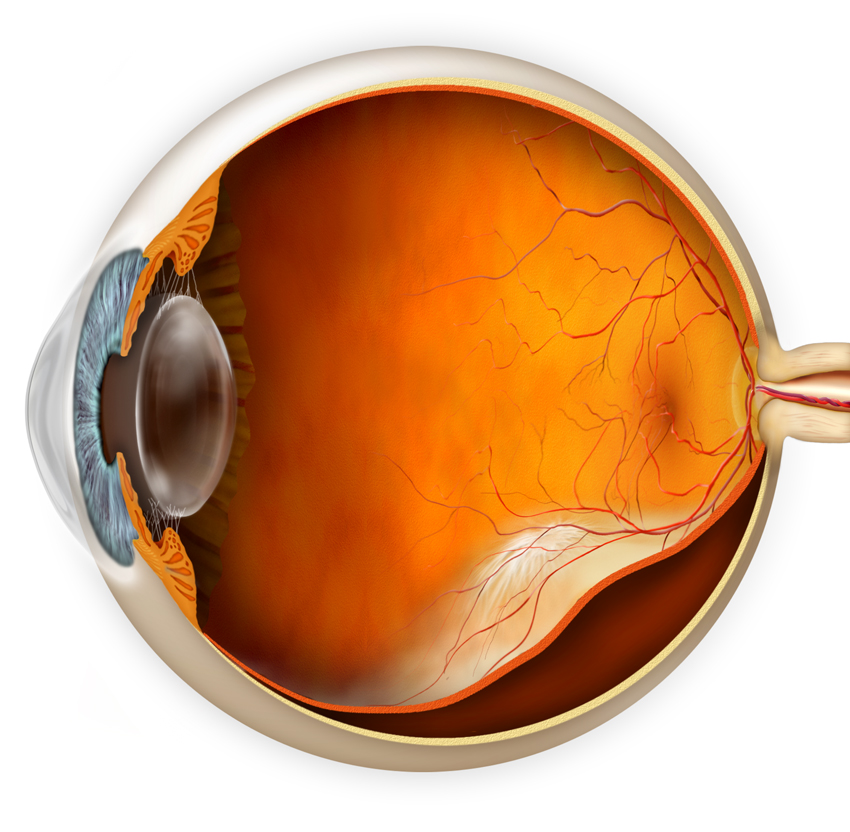
Retinal Detachment
Retinal detachment occurs when the retina separates from its normal position.
- Sudden flashes
- New or increasing floaters
- A dark curtain or shadow
- Loss of peripheral vision
- Sudden reduction in vision
Retinal detachment can threaten vision and requires urgent assessment.
Macular Conditions
The macula is the central part of the retina responsible for detailed central vision.
Macular disorders can affect:
- Reading
- Recognising faces
- Fine visual tasks
- Central visual clarity
People may notice:
- Distorted straight lines
- Blurred central vision
- Difficulty reading
- A dark or missing area in central vision
A retinal evaluation can help determine whether the macula is affected.
Are Eye Floaters Always Serious?
Not necessarily.
Floaters can occur because of normal changes in the vitreous, particularly with ageing.
However, new or suddenly increasing floaters should not automatically be assumed to be harmless.
An examination can determine whether there is an associated retinal tear or other retinal problem.
What Do Flashes of Light Mean?
Flashes can occur when the vitreous pulls on the retina.
They may also have other causes.
When flashes are new, frequent or associated with a sudden increase in floaters or a shadow in vision, prompt retinal assessment is important.
Retinal Evaluation in Thiruvallur
A retinal examination may be recommended when a patient has:
- Sudden visual changes
- Floaters
- Flashes
- Distorted vision
- Reduced central vision
- Diabetes
- Known retinal disease
- Previous retinal surgery
- Other risk factors for retinal problems
Depending on the clinical situation, the ophthalmologist may perform a dilated examination and recommend additional retinal imaging or testing.
Why Is Early Retinal Evaluation Important?
Some retinal conditions can progress before a person notices significant visual symptoms.
Early evaluation can help:
- Identify retinal changes
- Determine the cause of visual symptoms
- Monitor known retinal conditions
- Decide whether treatment is required
- Reduce the risk of avoidable visual complications
This is particularly relevant for conditions such as diabetic retinal disease, where changes can develop without obvious symptoms.
Retina Care for People With Diabetes
People with diabetes can develop changes in the retinal blood vessels.
Regular eye examinations can help detect diabetic retinal changes before vision is significantly affected.
Retinal monitoring may be particularly important when:
- Diabetes has been present for several years
- Blood sugar control has been difficult
- Previous retinal changes have been identified
- The ophthalmologist has recommended regular follow-up
Diabetic eye care should form part of comprehensive diabetes management.
Vitreo Retina and Uvea Evaluation in Thiruvallur
Patients searching for Vitreo Retina Specialist in Thiruvallur, retina specialist in Thiruvallur,uveitis treatment in Thiruvallur or retina eye care in Thiruvallur can seek a detailed ophthalmic evaluation when they experience unexplained visual symptoms or have a known retinal or inflammatory eye condition.
Deepam Eye Hospital's Vitreo-Retina and Uvea Care department provides diagnosis, treatment and management for vitreoretinal and uvea conditions
How Are Retina and Uvea Conditions Evaluated?
A retinal or uvea consultation begins with understanding the patient's symptoms and medical history.
The ophthalmologist may assess:
- Visual acuity
- Eye pressure
- Pupil responses
- Anterior eye structures
- Vitreous
- Retina
- Macula
- Optic nerve
- Eye movements when required
A dilated eye examination may be recommended to obtain a better view of the retina and other structures at the back of the eye.
Retinal Imaging and Diagnostic Tests
Depending on the suspected condition, additional investigations may be recommended.
These can include:
- Optical coherence tomography (OCT)
- Fundus photography
- Fluorescein angiography when indicated
- Ocular ultrasonography in selected cases
- Visual field assessment when clinically relevant
- Other specialised retinal investigations
The tests required depend on the symptoms and findings during the eye examination.
What Is an OCT Eye Scan?
Optical coherence tomography, or OCT, is an imaging test that produces detailed cross-sectional images of structures within the eye.
It can help the ophthalmologist assess areas such as the:
- Retina
- Macula
- Optic nerve
OCT may be useful in monitoring conditions that cause changes in retinal thickness or structure.
It can also help compare retinal findings during follow-up.
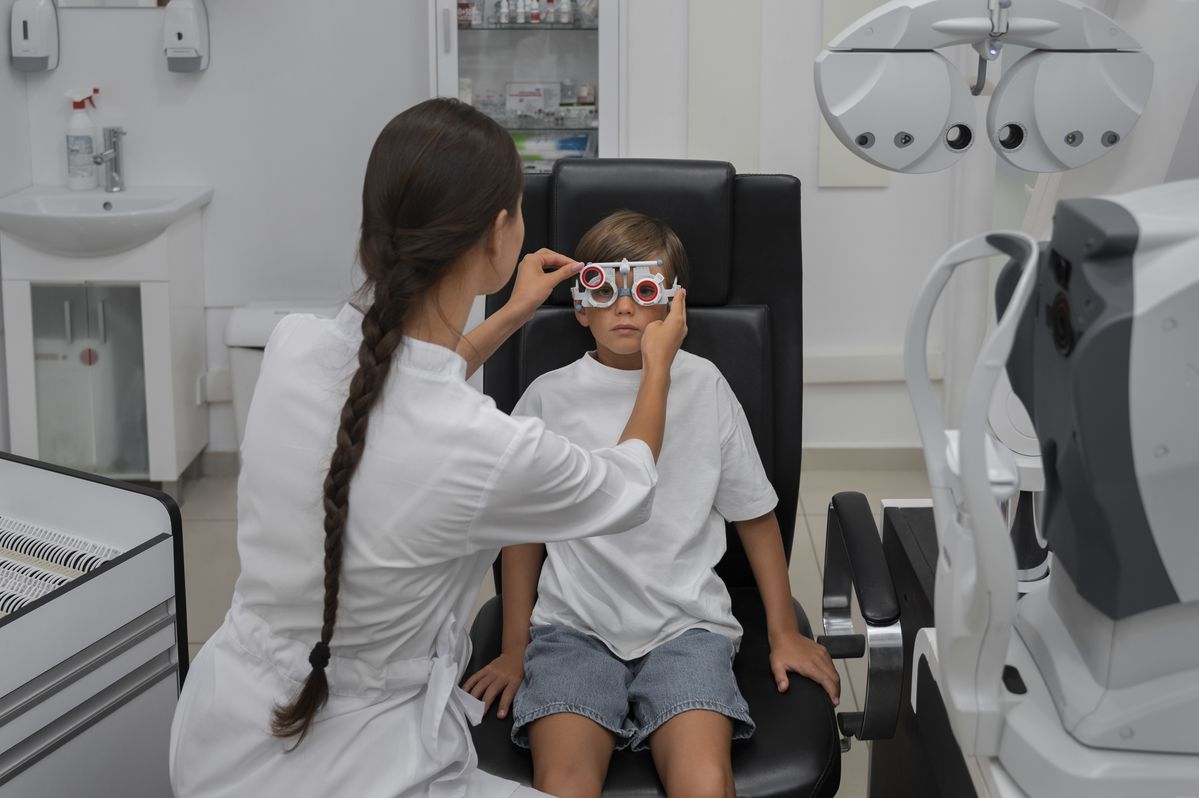
When Is a Retinal Scan Recommended?
A retinal scan may be considered when the ophthalmologist needs additional information about the retina or macula.
It may be useful for patients with:
- Diabetic retinal disease
- Macular disorders
- Unexplained changes in central vision
- Retinal swelling
- Certain inflammatory eye conditions
- Other retinal abnormalities
Not every patient requires the same imaging test.
Diabetic Retinopathy Care
Diabetes can damage the small blood vessels supplying the retina.
In its early stages, diabetic retinopathy may not produce noticeable symptoms.
As retinal changes progress, patients may experience:
- Blurred vision
- Floaters
- Difficulty seeing clearly
- Changes in central or peripheral vision
Regular retinal examinations can help detect diabetic retinal changes before significant vision loss develops.
Diabetic Macular Edema
Diabetes can cause fluid to accumulate in or around the macula.
This condition is known as diabetic macular edema.
Because the macula is responsible for detailed central vision, swelling in this area can affect:
- Reading
- Recognising faces
- Fine visual tasks
- Central vision
Treatment depends on the severity and characteristics of the retinal changes.
Retinal Vascular Conditions
Changes in the blood vessels of the retina can affect retinal function.
Retinal vascular problems may be associated with conditions such as:
- Diabetes
- High blood pressure
- Other vascular disorders
Depending on the condition, patients may experience sudden or gradual changes in vision.
A retinal examination can help determine the nature and extent of the vascular changes.
Macular Disorders
The macula is responsible for detailed central vision.
A macular disorder can affect a person's ability to:
- Read
- Recognise faces
- See fine details
- Perform close visual tasks
Possible symptoms include:
- Central blurring
- Distorted straight lines
- Difficulty reading
- A central blind or blurred area
OCT and other retinal investigations may be used when a macular condition is suspected.
Vitreous Changes and Floaters
The vitreous naturally changes with age.
As the vitreous becomes more liquid, it can separate or move within the eye and produce visual symptoms.
People may notice:
- Small dots
- Threads
- Cobweb-like shapes
- Moving shadows
Many floaters are benign, but new symptoms should be assessed because retinal tears or other retinal problems can sometimes occur alongside vitreous changes.
Posterior Vitreous Detachment
Posterior vitreous detachment occurs when the vitreous separates from the retina.
It becomes more common with increasing age but can also occur in other circumstances.
Symptoms can include:
- New floaters
- Flashes of light
- Changes in the appearance of the visual field
An eye examination is important when these symptoms first occur to determine whether there is an associated retinal tear.
Retinal Tear and Retinal Detachment
A retinal tear can allow fluid to pass underneath the retina and may lead to retinal detachment.
Warning signs can include:
- Sudden increase in floaters
- New flashes
- A shadow in the field of vision
- A curtain-like effect
- Sudden reduction in vision
These symptoms require prompt retinal assessment. Retinal detachment is a potentially serious condition and should not be managed by waiting for symptoms to disappear.
Uveitis Evaluation
Uveitis requires assessment of the location and severity of inflammation.
The ophthalmologist may determine whether inflammation affects:
- The anterior part of the eye
- The vitreous or intermediate region
- The retina or choroid
- Multiple areas
The patient's medical history can also be important because some forms of uveitis may be associated with infections, inflammatory conditions or other systemic diseases.
How Is Uveitis Treated?
Treatment depends on the type, severity and underlying cause of the inflammation.
Depending on the clinical situation, management may involve:
- Prescription eye drops
- Medication to control inflammation
- Treatment directed at an underlying infection
- Treatment of an associated systemic condition
- Other specialist-directed therapies
The treatment should be determined after identifying the nature of the inflammation.
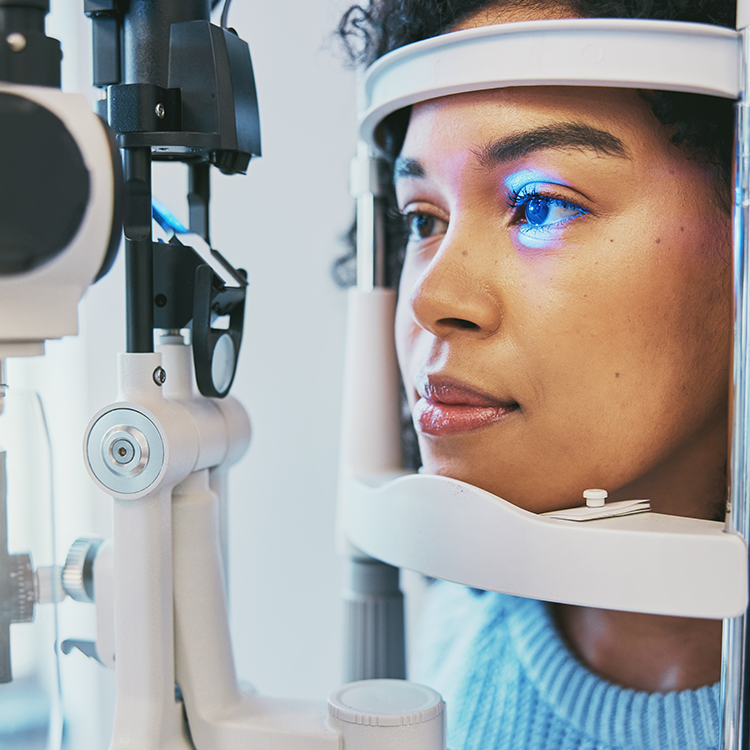
Why Should Uveitis Be Properly Evaluated?
Untreated or recurrent inflammation can affect different structures within the eye.
Possible complications can include:
- Cataract
- Increased eye pressure
- Macular swelling
- Retinal complications
- Reduced vision
Regular follow-up may therefore be required for patients with uveitis.
Uveitis and Systemic Conditions
Some forms of uveitis can occur in association with conditions affecting other parts of the body.
During an evaluation, the ophthalmologist may ask about:
- Previous inflammatory illnesses
- Joint symptoms
- Skin conditions
- Infections
- Other medical conditions
- Current medications
Further medical evaluation may be recommended when the clinical findings suggest an underlying systemic cause.
Retinal Treatment Options
Treatment varies considerably depending on the retinal condition.
Management may include:
- Observation and monitoring
- Medical treatment
- Intravitreal treatment when indicated
- Laser treatment in selected conditions
- Vitreoretinal surgery
- Treatment of associated systemic conditions
Not every retinal disease requires surgery.
The treatment plan is based on the examination and investigation findings.
Intravitreal Treatment
In selected retinal conditions, medication may be delivered directly into the vitreous cavity through an intravitreal injection.
This approach may be used for certain conditions involving:
- Retinal swelling
- Macular disease
- Abnormal retinal blood vessel growth
- Other conditions where intraocular medication is clinically appropriate
The medicine and number of treatments depend on the specific condition.
Retinal Laser Treatment
Laser treatment may be useful for selected retinal disorders.
Depending on the condition, retinal laser can be used to:
- Treat certain retinal tears
- Reduce abnormal retinal blood vessel activity in selected conditions
- Manage specific retinal vascular complications
Laser treatment is not appropriate for every retinal problem.
Vitreoretinal Surgery
Some retinal and vitreous conditions may require surgical management.
Surgery may be considered for selected cases involving:
- Retinal detachment
- Significant vitreous haemorrhage
- Certain macular conditions
- Complicated retinal disease
- Other vitreoretinal disorders
The surgical approach depends on the condition and the structures affected.
When Should You Seek Urgent Retina Care?
Some visual symptoms should not be ignored.
Seek prompt ophthalmic evaluation if you experience:
- Sudden flashes of light
- A sudden increase in floaters
- A curtain or shadow over part of your vision
- Sudden loss of peripheral vision
- Sudden reduction in vision
- New distortion of central vision
- Sudden visual changes following an eye injury
Early evaluation can help determine whether the symptoms are related to a retinal emergency or another eye condition.
Retina Care for Patients With Previous Eye Surgery
Patients who have undergone previous eye surgery may require retinal assessment when they develop new symptoms.
Previous surgery, trauma or other eye conditions can be relevant when evaluating:
- New floaters
- Flashes
- Reduced vision
- Retinal abnormalities
Patients should bring previous eye records whenever possible.
Regular Retina Follow-Up
Patients with diagnosed retinal conditions may need periodic monitoring even when their vision feels stable.
Follow-up can help assess:
- Disease progression
- Response to treatment
- Changes in retinal structure
- Macular status
- Need for additional treatment
The interval between visits depends on the condition and treatment plan.
Vitreo Retina Uvea Care in Thiruvallur
Patients searching for vitreoretina specialist in Thiruvallur, retina specialist in Thiruvallur, retina treatment in Thiruvallur or uveitis treatment in Thiruvallur can seek a detailed evaluation when they have retinal symptoms, diabetic eye changes, inflammatory eye conditions or a known vitreoretinal disorder.
At Deepam Eye Hospital, Thiruvallur, patients can discuss concerns involving the retina, vitreous and uvea.
Retina and Uvea Conditions: Understanding the Treatment Approach
Retinal and uvea conditions can range from problems that require observation to conditions that need urgent treatment.
The appropriate approach depends on:
- The exact diagnosis
- Location and severity of the disease
- Vision in the affected eye
- Retinal and macular findings
- Presence of inflammation
- Associated medical conditions
- Previous treatment
- Response to treatment
A detailed retinal examination helps determine whether monitoring, medication, laser treatment, injections or surgery may be appropriate.
Retina and Uvea Treatment Options
| Condition / Concern | Possible Symptoms | Common Management Approach | Follow-Up |
|---|---|---|---|
| Diabetic Retinal Disease | May have no symptoms initially; blurred or reduced vision can occur later | Retinal monitoring, systemic control and treatment when indicated | Regular retinal review may be required |
| Macular Disorders | Central blurring or distorted vision | Observation, medication or other retinal treatment depending on the condition | Monitoring may include retinal imaging |
| Retinal Tear | Flashes, sudden floaters or visual changes | Prompt retinal assessment and treatment when required | Follow-up depends on retinal findings |
| Retinal Detachment | Curtain-like shadow, peripheral vision loss or sudden reduction in vision | Urgent retinal assessment and surgical management when indicated | Post-treatment monitoring is important |
| Vitreous Changes | Floaters or flashes | Observation in suitable cases after retinal evaluation | Review may be advised depending on symptoms |
| Uveitis | Redness, pain, light sensitivity or blurred vision | Anti-inflammatory or cause-specific treatment | Regular monitoring may be necessary |
| Vitreous Haemorrhage | Sudden floaters, haze or reduced vision | Identify and treat the underlying cause; surgery may be required in selected cases | Depends on the cause and response to treatment |
Treatment is individualised according to the clinical findings.
When Is Retina Treatment Urgent?
Not every retinal symptom represents an emergency, but certain changes should be evaluated without unnecessary delay.
Pay particular attention to:
- Sudden flashes
- Sudden increase in floaters
- A curtain or shadow across the vision
- Sudden peripheral vision loss
- Sudden reduction in vision
- New distortion of straight lines
- Significant visual changes after an eye injury
These symptoms can sometimes indicate a retinal problem requiring prompt assessment.
Living With a Retinal Condition
Being diagnosed with a retinal condition does not necessarily mean that vision will immediately deteriorate.
Many retinal conditions can be monitored over time, while others require active treatment.
Patients can help their eye care by:
- Attending scheduled retinal reviews
- Taking prescribed medication as directed
- Monitoring for new visual symptoms
- Managing associated medical conditions
- Reporting significant changes in vision promptly
- Keeping previous retinal reports available for future consultations
Regular monitoring can be particularly important for conditions that can progress without obvious symptoms.
Retina Care for People With Diabetes
People with diabetes should not wait for vision problems before considering retinal assessment.
Diabetic retinal changes can develop without obvious symptoms.
Good diabetes management, along with appropriate eye examinations, forms an important part of protecting vision.
Patients with diabetes should discuss the appropriate frequency of retinal examinations with their ophthalmologist.
What Can You Do If You Notice New Floaters?
A few stable floaters may not indicate a serious retinal problem.
However, a sudden increase in floaters, particularly when accompanied by flashes, should be assessed promptly.
Do not assume that new floaters are simply due to ageing without an eye examination.
The ophthalmologist can examine the retina and determine whether a retinal tear or another problem is present.
What If You See Flashes of Light?
Flashes can occur when the vitreous exerts traction on the retina.
They can have different causes, but new flashes should be evaluated, especially when they occur together with:
- New floaters
- A shadow in vision
- Reduced peripheral vision
- Sudden visual changes
A retinal examination can help determine whether urgent treatment is required.
Managing Uveitis Over Time
Uveitis may improve with treatment but can also recur in some patients.
Long-term management may therefore involve:
- Regular eye examinations
- Monitoring inflammation
- Checking eye pressure
- Monitoring the macula and retina
- Reviewing medication response
- Investigating an underlying systemic condition when appropriate
Patients should not stop prescribed treatment without discussing it with their treating doctor.
Why Can Uveitis Require Regular Monitoring?
Inflammation inside the eye can affect more than the area where it initially develops.
Depending on the type and severity, complications can involve:
- Lens
- Eye pressure
- Vitreous
- Retina
- Macula
Regular follow-up allows these changes to be identified and managed appropriately.
Retina Care After Treatment
Patients who have undergone retinal treatment may need continuing follow-up.
Depending on the procedure or condition, follow-up may assess:
- Retinal attachment
- Macular structure
- Inflammation
- Eye pressure
- Visual acuity
- Response to treatment
- Recurrence or progression of disease
The required follow-up schedule varies between patients.
Can Retinal Disease Affect Central Vision?
Yes. Conditions involving the macula can affect central vision, which is important for detailed activities.
Patients may notice:
- Difficulty reading
- Difficulty recognising faces
- Distorted lines
- Blurred central vision
- Missing areas in central vision
If central vision changes unexpectedly, a retinal evaluation can help determine the cause.
Can Retinal Disease Affect Peripheral Vision?
Yes.
Certain retinal conditions can affect peripheral vision.
Patients may notice:
- Missing areas to the side
- A shadow in part of the visual field
- Difficulty noticing objects from the side
Sudden peripheral vision loss should receive prompt ophthalmic evaluation.
Vitreo Retina Uvea Care for Different Patients
Patients With Diabetes
Regular retinal assessment can help detect diabetic retinal changes and monitor known disease.
Patients With New Floaters
A retinal examination can determine whether the floaters are associated with normal vitreous changes or a retinal problem.
Patients With Macular Symptoms
Distorted or blurred central vision may require retinal imaging and detailed macular assessment.
Patients With Uveitis
Inflammation requires evaluation to determine its location, severity and possible cause.
Patients With Retinal Detachment
Symptoms such as a curtain-like shadow or sudden peripheral vision loss require urgent retinal assessment.
Why Choose a Dedicated Retina and Uvea Evaluation?
Retinal and uvea conditions can require specialised examination because many important changes occur inside the eye and may not be visible without appropriate assessment.
A dedicated evaluation can help:
- Identify the source of visual symptoms
- Assess retinal and macular structures
- Detect inflammation
- Monitor known retinal disease
- Determine whether treatment is required
- Plan appropriate follow-up
Vitreo Retina Uvea Care in Thiruvallur at Deepam Eye Hospital
Patients searching for Vitreo Retina Uvea Care in Thiruvallur, retina specialist in Thiruvallur, vitreoretina specialist in Thiruvallur, uveitis treatment in Thiruvallur or retina treatment in Thiruvallur can seek an ophthalmic assessment for retinal, vitreous and uvea-related concerns.
Deepam Eye Hospital's Thiruvallur location is:
No. 77/1, C.V. Naidu Salai, Thiruvallur.
Patients can discuss symptoms such as new floaters, flashes, changes in central vision, diabetic retinal concerns, uveitis or other diagnosed retinal conditions.
Dr. Vimala
Consultant Ophthalmologist
Dr. Vimala is a Consultant Ophthalmologist with interests in:
Areas of Interest
Patients with retinal or uvea-related concerns can undergo an appropriate ophthalmic evaluation to understand the underlying condition and available management options.
Treatment decisions depend on the individual examination findings and may include monitoring, medical treatment, retinal procedures or surgery when clinically indicated.
Vitreo Retina Uvea Care in Thiruvallur
What is Vitreo Retina Uvea Care?
Vitreo Retina Uvea Care focuses on conditions affecting the retina, vitreous and uvea, including retinal diseases, vitreous problems and inflammatory conditions such as uveitis.
Where can I get retina treatment in Thiruvallur?
Patients looking for retina treatment in Thiruvallur can undergo a detailed retinal evaluation at Deepam Eye Hospital.
What does a retina specialist treat?
A retina specialist evaluates and manages conditions involving the retina, macula and vitreous, including diabetic retinal disease, retinal tears, retinal detachment and selected macular disorders.
What is uveitis?
Uveitis is inflammation affecting the uvea and, depending on the type, other structures inside the eye.
Are sudden floaters dangerous?
Not always, but a sudden increase in floaters can sometimes be associated with a retinal tear or other retinal problem and should be evaluated promptly.
When should I see a retina specialist for flashes?
New flashes, particularly when accompanied by new floaters, a shadow or sudden vision changes, should receive prompt retinal assessment.
Can diabetes affect the retina?
Yes. Diabetes can cause changes in the retinal blood vessels and may lead to diabetic retinopathy or macular complications.
What is an OCT scan used for?
OCT provides detailed images of retinal structures and can help evaluate and monitor conditions affecting the retina and macula.
Does every retinal condition require surgery?
No. Some retinal conditions can be monitored or treated medically, while selected cases require laser treatment, injections or surgery.
Can uveitis affect vision?
Yes. Inflammation inside the eye can affect vision, particularly when the retina, macula or other important structures become involved.
Frequently Asked Questions
Symptoms can include sudden floaters, flashes, blurred vision, distorted central vision, peripheral vision loss or a curtain-like shadow.
Yes. Floaters can occur due to changes in the vitreous, particularly with age. However, sudden or rapidly increasing floaters should be evaluated.
A retinal tear requires prompt ophthalmic assessment because it can sometimes progress to retinal detachment.
Warning signs can include sudden flashes, a sudden increase in floaters, a curtain-like shadow, peripheral vision loss or sudden reduction in vision.
Yes. Diabetic retinal changes may develop before noticeable vision problems occur, which is why appropriate retinal screening and follow-up are important.
A retina specialist has focused expertise in diseases and procedures involving the retina and vitreous. General ophthalmologists also diagnose and manage a broad range of eye conditions.
Some forms of uveitis can recur. Regular follow-up helps monitor inflammation and detect complications.
No. OCT is a useful retinal imaging test, but it does not replace a complete ophthalmic examination and may not be necessary or sufficient for every retinal condition.
People with diabetes should discuss appropriate eye screening and follow-up with their healthcare team and ophthalmologist. The recommended frequency depends on individual circumstances.
Sudden vision loss, a curtain or shadow over the vision, sudden peripheral vision loss, or new flashes and a sudden increase in floaters warrant prompt ophthalmic assessment.
Vitreo Retina Uvea Care in Thiruvallur — Schedule an Evaluation
Retinal and uvea conditions can sometimes progress without obvious symptoms, while certain sudden visual changes may require urgent attention.
If you are looking for Vitreo Retina Uvea Care in Thiruvallur, a detailed ophthalmic evaluation can help identify the cause of your symptoms and determine whether monitoring, medication, retinal procedures or surgery may be appropriate.
Consult Deepam Eye Hospital in Thiruvallur for evaluation of retinal, vitreous and uvea-related concerns.
Contact UsMedical Disclaimer
This page is intended for general educational purposes and does not replace an individual examination by an ophthalmologist. Retinal and uvea conditions vary considerably, and treatment depends on the diagnosis and clinical findings. Sudden vision loss, a curtain-like shadow, sudden peripheral vision loss, new flashes or a sudden increase in floaters should receive prompt ophthalmic evaluation.
