- For appointment (+91) 97906 97907
LASIK Surgery in Thiruvallur
LASIK surgery in Thiruvallur is a type of laser refractive surgery designed to reduce dependence on spectacles or contact lenses by reshaping the cornea to correct suitable refractive errors.
LASIK stands for Laser-Assisted In Situ Keratomileusis. The procedure permanently changes the shape of the cornea using an excimer laser to alter how light is focused inside the eye.
LASIK is not appropriate for everyone who wants to stop wearing glasses. A detailed assessment is necessary to determine whether the cornea, prescription, tear film and overall eye health are suitable for the procedure.
Deepam Eye Hospital describes its LASIK service as including a pre-operative evaluation involving refractive error assessment, corneal thickness and curvature measurements and assessment of overall eye health.
What Is LASIK Eye Surgery?
LASIK is a refractive procedure that reshapes the cornea to change the way light is focused on the retina.
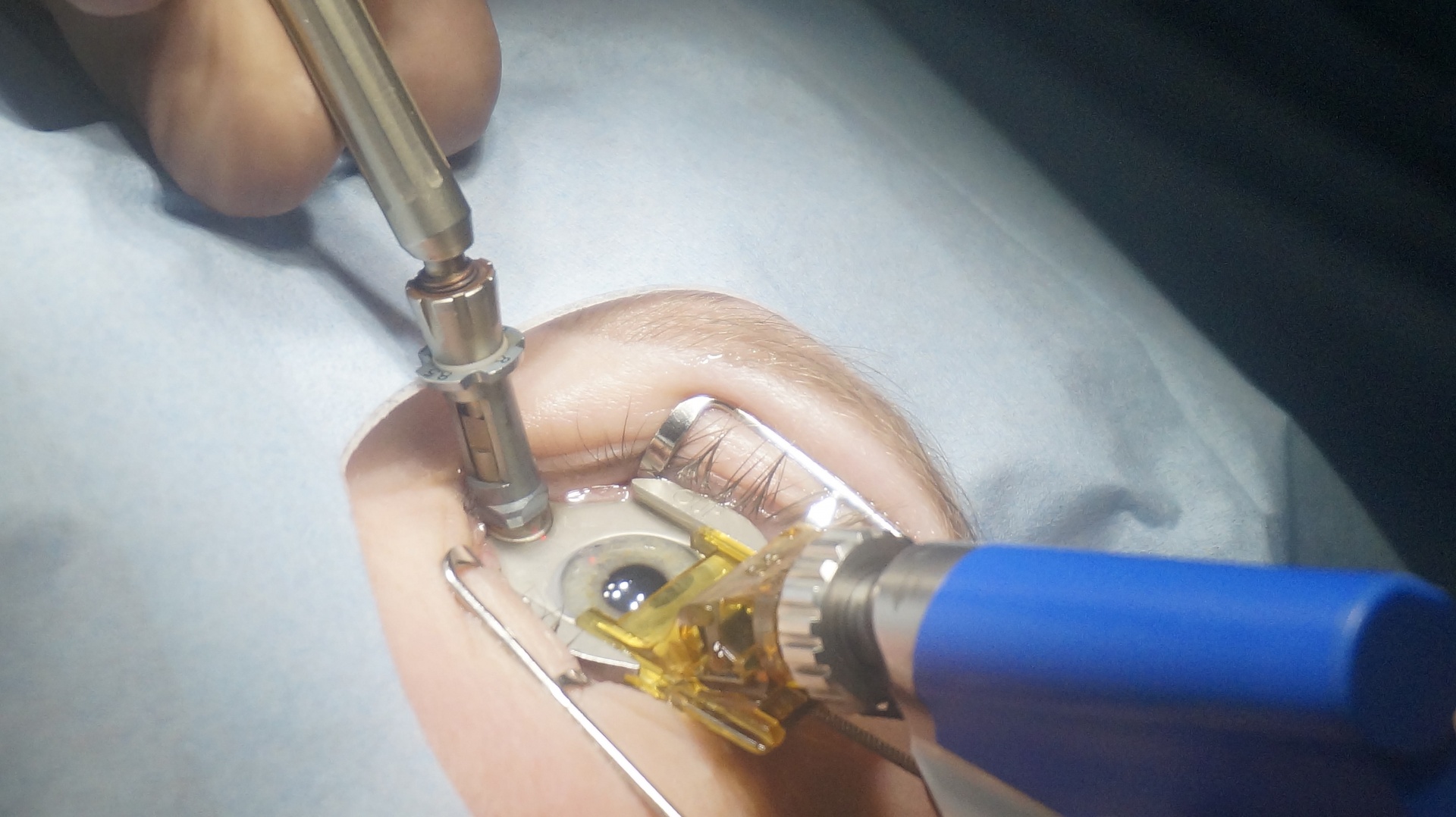
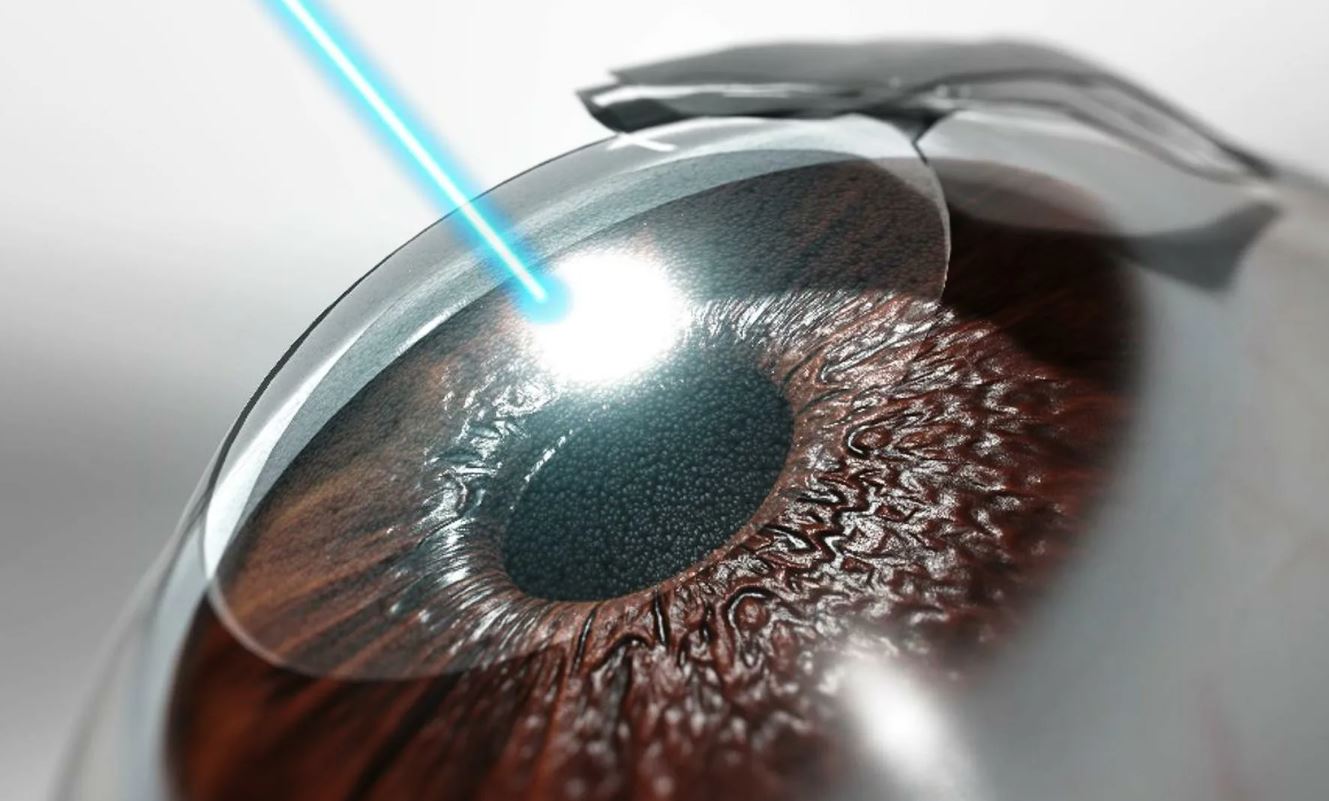
During conventional LASIK, a corneal flap is created and lifted, allowing the excimer laser to reshape underlying corneal tissue. The flap is then repositioned.
The purpose is to reduce the optical error responsible for conditions such as:
- Myopia
- Hyperopia
- Astigmatism
The exact range of prescriptions suitable for LASIK depends on the patient's eye measurements and the laser system being used.
What Is Refractive Error?
Refractive error occurs when the eye does not focus incoming light precisely on the retina, resulting in blurred vision.
Common refractive errors include:
- people with myopia generally have difficulty seeing distant objects clearly
- can affect the ability to focus clearly, particularly for near tasks, depending on its degree and the individual's age
- occurs when the eye has an uneven curvature, which can cause blurred or distorted vision
- LASIK can correct selected refractive errors when the patient's eyes meet the requirements for surgery.
Myopia
Hyperopia
Astigmatism
Why Do People Consider LASIK?
Patients may consider LASIK because they want to reduce their dependence on:
- Spectacles
- Contact lenses
- Spectacle frames during sports
- Contact lenses during particular activities
Some people may find glasses inconvenient for work, travel, outdoor activities or personal preferences.
However, LASIK should be considered as an elective surgical procedure, and the potential benefits need to be weighed against its risks and limitations.
Is LASIK Suitable for Everyone?
No. A person may have a refractive error that LASIK could potentially correct but still not be an appropriate candidate.
The assessment may consider:
- Age
- Stability of spectacle prescription
- Corneal thickness
- Corneal shape
- Tear-film and dry-eye status
- Existing eye disease
- General health
- Medications
- Previous eye procedures
The FDA specifically identifies factors such as unstable refraction, thin corneas, dry eye, certain medical conditions and some eye conditions as issues that may affect LASIK suitability.
Why Is a LASIK Evaluation Important?
A LASIK evaluation is not simply a stronger version of a routine spectacle test.
The purpose is to determine whether:
- The refractive error is appropriate for correction
- The prescription is sufficiently stable
- The cornea has suitable thickness and shape
- The eye surface is healthy enough for surgery
- There are no important eye conditions that make LASIK unsuitable
- The patient's expectations are realistic
A careful screening process is therefore an important part of refractive surgery.
What Is Checked Before LASIK?
Refractive Error
The current prescription is measured to determine the amount and type of refractive error. The doctor may compare current and previous prescriptions to determine whether the prescription has remained stable.
Corneal Thickness
Corneal thickness is an important consideration when assessing suitability for LASIK. LASIK changes the shape of the cornea by removing a calculated amount of tissue. If the cornea is too thin or has other structural concerns, LASIK may not be appropriate.
Corneal Curvature and Shape
The shape of the cornea is evaluated because abnormalities in corneal structure can influence the safety and suitability of refractive surgery.
Corneal mapping or other measurements may be used as part of the evaluation.
This is particularly important when there is:
- Irregular astigmatism
- Suspected corneal weakness
- Previous corneal disease
- Unusual corneal measurements
Tear Film and Dry Eye
Dry-eye assessment is an important part of LASIK screening.
LASIK can worsen pre-existing dry-eye symptoms, and some people can develop dry-eye symptoms following surgery.
Symptoms may include:
- Burning
- Grittiness
- Redness
- Fluctuating vision
- Excessive watering
- Eye discomfort
If significant dry eye is present, it may need to be managed before considering refractive surgery.
How Stable Should Your Prescription Be?
A stable spectacle prescription is an important consideration before LASIK.
If the prescription is continuing to change, performing surgery too early may result in residual or changing refractive error.
The FDA recommends discussing prescription stability with the refractive surgeon as part of determining candidacy.
The exact stability requirements can vary according to the patient's situation and the applicable clinical protocol.
Can Contact Lens Wear Affect LASIK Measurements?
Yes. Contact lenses can temporarily alter the shape of the cornea and may affect certain pre-operative measurements.
Patients may therefore be asked to stop wearing contact lenses for a specified period before evaluation or surgery.
The required duration depends on:
- Type of contact lens
- Wearing pattern
- Corneal response
- Testing protocol
The FDA's LASIK checklist specifically advises patients to discuss stopping contact lenses before evaluation and surgery.
Can LASIK Correct Nearsightedness?
LASIK can correct suitable degrees of myopia by reshaping the cornea so that incoming light is focused more appropriately on the retina.
However, not every degree of myopia is suitable for LASIK.
The decision depends on the prescription and the structural characteristics of the eye.
Can LASIK Correct Astigmatism?
Selected forms and degrees of astigmatism can be treated with laser refractive surgery.
The suitability of treatment depends on:
- Type of astigmatism
- Amount of astigmatism
- Corneal shape
- Overall corneal health
- Stability of the prescription
A detailed corneal assessment is therefore important before deciding whether LASIK is appropriate.
Can LASIK Correct Farsightedness?
LASIK can be used to correct selected cases of hyperopia.
However, the expected result and long-term stability can differ according to the degree and type of hyperopia.
The FDA notes that results can diminish with age in some farsighted patients.
This should be discussed during the pre-operative consultation rather than assuming that the result will remain unchanged throughout life.
Is There an Age Requirement for LASIK?
Age is one of the factors considered during refractive surgery evaluation, but age alone does not determine suitability.
The ophthalmologist also needs to consider:
- Prescription stability
- Corneal health
- Eye-surface condition
- Overall eye health
- Presence of presbyopia
- Patient expectations
As people age, presbyopia can affect near vision even if distance vision has been corrected successfully.
Can LASIK Prevent Reading Glasses?
LASIK does not stop the natural age-related development of presbyopia.
Presbyopia occurs because the eye gradually loses its ability to focus on nearby objects.
A person who undergoes LASIK for distance correction may still require reading glasses later in life.
The FDA specifically advises patients to consider the possibility of needing reading glasses after refractive surgery.
Is LASIK Permanent?
LASIK permanently changes the shape of the cornea, but that does not mean a person's vision can never change afterward.
Vision can change because of:
- Age-related changes
- Presbyopia
- Natural refractive changes
- Eye conditions
- Residual refractive error
Some patients may still need spectacles or contact lenses after LASIK, and additional treatment is not appropriate for everyone.
LASIK Surgery in Thiruvallur: A Personalised Decision
Choosing LASIK should not be based solely on wanting freedom from glasses.
A proper decision involves:
Prescription Assessment
Corneal Evaluation
Eye-Health Assessment
Suitability Discussion
Risks and Benefits
Informed Decision
If LASIK is unsuitable, spectacles or contact lenses remain valid methods of correcting refractive error. Other refractive procedures may also be considered in selected cases.
LASIK Care at Deepam Eye Hospital, Thiruvallur
Patients searching for LASIK surgery in Thiruvallur can undergo an evaluation to determine whether laser vision correction is appropriate for their eyes.
Deepam Eye Hospital's LASIK information describes pre-operative evaluation including:
- Refractive error assessment
- Corneal thickness measurement
- Corneal curvature assessment
- Overall eye-health evaluation
The hospital lists LASIK among its refractive-error services.
What Happens Before LASIK Surgery?
Once a patient has been assessed as a potential candidate, the surgeon reviews the examination findings and discusses the proposed treatment.
Before proceeding, patients should understand:
- The expected visual outcome
- Possible limitations
- Potential complications
- Alternative methods of vision correction
- Post-operative instructions
- Follow-up requirements
LASIK is an elective procedure, so patients should have enough time to understand the risks and benefits before giving informed consent.
What Should You Do Before a LASIK Procedure?
The surgical centre may provide specific instructions based on the patient's eyes and the procedure being performed.
Preparation may include:
- Stopping contact lens wear for the advised period
- Avoiding eye makeup before surgery
- Arranging transportation home
- Taking prescribed pre-operative medication if advised
- Informing the doctor about current medicines
- Following all instructions given by the surgical team
The FDA advises patients to avoid contact lenses before evaluation and surgery for the period specified by their doctor and to arrange transportation after the procedure.
Why Should Contact Lenses Be Stopped Before LASIK?
Contact lenses can temporarily change the shape of the cornea.
Because LASIK planning depends on accurate corneal measurements, wearing lenses too close to the assessment can affect measurements.
The period for stopping lenses is not identical for everyone; it depends on the type of lens and the condition of the cornea.
Patients should follow the specific time period recommended by their ophthalmologist rather than using a fixed number of days from general advice.
Is LASIK Performed With General Anaesthesia?
LASIK is generally performed using numbing eye drops rather than general anaesthesia.
The patient remains awake during the procedure.
The eye is prepared and positioned so that the laser treatment can be accurately delivered to the cornea.
Is LASIK Performed With General Anaesthesia?
LASIK is generally performed using numbing eye drops rather than general anaesthesia.
The patient remains awake during the procedure.
The eye is prepared and positioned so that the laser treatment can be accurately delivered to the cornea.
How Is the Corneal Flap Created?
A thin hinged flap is created in the cornea.
Depending on the surgical technique and equipment, the flap may be created using a microkeratome or a femtosecond laser.
The flap is then lifted to expose the underlying corneal tissue.
What Does the Excimer Laser Do?
Once the corneal flap is positioned appropriately, the excimer laser reshapes the underlying corneal tissue according to the patient's treatment plan.
The amount and pattern of tissue removal are calculated from the pre-operative measurements.
The purpose is to modify the corneal curvature so that light is focused more accurately on the retina.
What Happens to the Flap After Laser Treatment?
After the laser reshaping is completed, the corneal flap is repositioned over the treated area.
It is not normally stitched into place.
The flap begins to adhere as the cornea heals, which is why protecting the eye and avoiding rubbing are important after surgery.
Is LASIK Painful?
During the procedure, numbing eye drops are used to minimise discomfort.
After the anaesthetic effect wears off, some patients may experience:
- Mild discomfort
- Burning or stinging
- Watering
- Light sensitivity
- A gritty or foreign-body sensation
The intensity and duration of discomfort vary between patients. Severe or increasing pain after LASIK should not be assumed to be part of normal healing and should be reported to the treating doctor.
What Is Vision Like Immediately After LASIK?
Vision may be:
- Hazy
- Blurred
- Fluctuating
- Sensitive to bright light
Clear vision should not be expected immediately after the procedure.
The FDA advises patients to expect that vision may not be clear for the first few days and that the final result can take longer to stabilise.
What Happens During the First Few Days?
During the early recovery period, patients may experience:
- Blurred or fluctuating vision
- Light sensitivity
- Mild irritation
- Watering
- Glare
- Halos around lights
- Redness of the eye
These symptoms generally improve as the eyes recover, although the recovery experience differs from person to person.
How Long Does It Take for Vision to Stabilise?
Vision can continue changing during the early weeks following LASIK.
The FDA notes that vision may fluctuate for several weeks and that stabilisation can take approximately 2–4 weeks, although individual recovery can vary and final results may take longer.
Therefore, an early post-operative measurement should not automatically be considered the final visual result.
Can Vision Fluctuate After LASIK?
Yes. Temporary fluctuations can occur during the healing period.
They may be related to:
- Corneal healing
- Tear-film changes
- Dry-eye symptoms
- Residual refractive error
If vision is progressively worsening rather than gradually improving, the patient should contact the treating ophthalmologist.
Why Are Eye Drops Prescribed After LASIK?
The surgeon may prescribe eye drops as part of post-operative care.
Depending on the individual treatment plan, these can include:
- Antibiotic drops
- Anti-inflammatory drops
- Lubricating or artificial-tear drops
The exact medication and duration should be determined by the treating ophthalmologist.
Patients should not substitute, discontinue or extend prescription eye drops without medical advice.
How Should You Use Eye Drops After LASIK?
Patients should:
- Wash hands before using drops
- Follow the prescribed schedule
- Avoid touching the bottle tip to the eye
- Keep bottles clean
- Use only the drops recommended by the treating doctor
Following the prescribed medication schedule helps reduce the risk of infection and inflammation during recovery.
Why Should You Avoid Rubbing Your Eyes After LASIK?
Eye rubbing should be avoided after LASIK.
Mechanical pressure can interfere with the healing corneal flap
Rubbing and can potentially contribute to flap displacement and other complications.
Patients should be particularly careful while:
- Sleeping
- Washing the face
- Removing makeup
- Feeling eye irritation
- Handling the eyes
Why May an Eye Shield Be Recommended?
An eye shield can help protect the treated eye from accidental rubbing or pressure, particularly during sleep.
The duration of shield use depends on the surgeon's instructions.
Patients should continue using it for as long as advised rather than removing it because the eye feels comfortable.
Can You Drive Immediately After LASIK?
You should not plan to drive yourself home after LASIK.
Vision may be blurred immediately after surgery, and the FDA recommends arranging transportation.
When driving can safely resume depends on the patient's vision and the advice of the treating doctor.
Can You Use a Computer After LASIK?
Screen use may be uncomfortable during the initial recovery period because of dryness, light sensitivity or fluctuating vision.
Patients may be advised to
- Take regular breaks
- Blink frequently
- Use prescribed lubricating drops when advised
- Reduce screen exposure if it causes discomfort
The appropriate return to prolonged screen work depends on individual recovery.
Can You Return to Work After LASIK?
Some people can return to routine work relatively quickly, but the appropriate timing depends on:
- Nature of the job
- Visual demands
- Environmental exposure
- Individual recovery
People working in dusty environments or jobs involving a risk of eye injury may require additional precautions.
The treating ophthalmologist should provide specific guidance.
Can You Exercise After LASIK?
Light activities may be resumed according to the surgeon's advice, but strenuous exercise and activities carrying a risk of eye injury may need to be restricted temporarily.
The timing depends on the procedure and individual healing.
Can You Swim After LASIK?
Swimming and exposure to potentially contaminated water may need to be avoided during the early healing period.
Patients should follow the specific restriction provided by their surgeon.
Do not assume that a healed-looking eye is immediately ready for swimming.
Can You Wear Eye Makeup After LASIK?
Eye makeup may need to be avoided temporarily following surgery
This is intended to reduce irritation and avoid contamination during the healing period.
The surgeon should advise when it is appropriate to resume makeup use.
What Are Halos and Glare?
Some patients experience:
- Halos around lights
- Glare
- Starbursts
- Difficulty with night vision
These symptoms can be particularly noticeable in dim conditions or while driving at night.
They may decrease as the eyes recover, but some visual symptoms can persist in certain patients.
Can LASIK Cause Dry Eyes?
Dry-eye symptoms can occur after LASIK, and people who already have dry eye may be at greater risk of worsening symptoms.
Symptoms can include:
- Burning
- Grittiness
- Fluctuating vision
- Irritation
- Watering
Some patients may require lubricating drops or additional treatment if symptoms persist.
Why Are Follow-Up Visits Necessary?
Post-operative examinations allow the ophthalmologist to monitor:
- Corneal healing
- Visual acuity
- Corneal flap position
- Eye-surface health
- Eye pressure when appropriate
- Signs of inflammation or infection
- Refractive stability
Follow-up should continue according to the schedule recommended by the treating doctor.
What Happens If the Desired Vision Is Not Achieved?
LASIK does not guarantee a specific visual result.
Some patients may have:
- Residual refractive error
- Under-correction
- Over-correction
- Continued need for glasses
- Visual symptoms
An additional procedure, sometimes called an enhancement, may be considered in selected patients, but it is not automatically appropriate.
The FDA advises that refraction should be stable before considering further surgery.
When Should You Contact the Doctor After LASIK?
Patients should seek prompt medical advice if they develop:
- Severe eye pain
- Sudden worsening of vision
- Increasing redness
- Increasing swelling
- Significant discharge
- New or worsening visual symptoms
- Symptoms that become worse instead of gradually improving
Severe pain or worsening vision after surgery should not be ignored.
LASIK Surgery in Thiruvallur: From Consultation to Follow-Up
A typical LASIK journey can be understood as:
Initial Consultation
Detailed Eye Evaluation
Suitability Assessment
Treatment Planning
LASIK Procedure
Early Recovery
Follow-Up
Long-Term Visual Monitoring
The exact pathway varies according to the patient's eye measurements and the treatment plan. LASIK should be approached as a personalised refractive procedure rather than a routine method of removing spectacles for every patient.
LASIK or Glasses: Which Is Better?
There is no single option that is best for everyone.
Spectacles are non-surgical, reversible and can correct refractive errors without changing the cornea.
LASIK is an elective surgical procedure that reshapes the cornea with the aim of reducing dependence on spectacles or contact lenses.
The right choice depends on:
- Your spectacle prescription
- Corneal health
- Eye health
- Lifestyle
- Occupational requirements
- Personal preference
- Willingness to undergo surgery
If you are comfortable wearing spectacles and have no particular reason to avoid them, LASIK is not medically necessary simply because it is available.
LASIK or Contact Lenses?
Contact lenses can provide clear vision without spectacles while avoiding surgery. However, they require appropriate fitting, cleaning and regular replacement.
LASIK may be considered by people who want to reduce their dependence on both spectacles and contact lenses.
Contact lenses can also remain an option for people who are not suitable for refractive surgery.
A detailed eye assessment can help determine which option is more appropriate for your eyes and lifestyle.
What Are the Alternatives to LASIK?
Depending on the patient's eye measurements, other options may include:
- PRK
- Other laser refractive procedures
- Phakic intraocular lenses in selected cases
- Spectacles
- Contact lenses
The choice depends on factors such as corneal thickness, corneal shape, refractive power and overall eye health. A patient who is not suitable for LASIK may still have other methods of vision correction.
LASIK vs Other Vision-Correction Options
| Option | How Vision Is Corrected | Surgery Required | Main Consideration |
|---|---|---|---|
| Spectacles | Corrective lenses placed in front of the eyes | No | Simple, safe and reversible |
| Contact Lenses | Corrective lenses placed on the eye | No | Requires proper fitting and hygiene |
| LASIK | Cornea is reshaped using laser treatment | Yes | Requires suitable corneal structure and eye health |
| PRK | Corneal tissue is reshaped after treatment of the surface layer | Yes | Recovery differs from LASIK |
| Phakic IOL | An implanted lens provides refractive correction | Yes | Considered for selected patients who may not be suitable for corneal laser surgery |
The appropriate option depends on individual eye measurements and clinical assessment.
Things to Consider Before Choosing LASIK
Is Freedom From Glasses the Only Goal?
Reducing dependence on glasses may be an important reason for considering LASIK, but patients should also think about their expected quality of vision.
For example, people who frequently drive at night should discuss:
- Halos
- Glare
- Starbursts
- Night-time visual quality
- Contrast sensitivity
The goal should not simply be to remove glasses but to make an informed decision about the expected benefits and limitations.
What If Your Job Requires Excellent Vision?
People working in occupations involving demanding visual requirements should discuss their work before choosing LASIK.
This can include people involved in:
- Night-time driving
- Security work
- Precision tasks
- Low-light environments
- Jobs where visual standards apply
Certain professions may have specific requirements regarding refractive surgery or corrected vision.
Can LASIK Affect Night Driving?
Some patients experience halos, glare or starbursts around lights following refractive surgery.
These effects can be particularly noticeable in dark environments or while driving at night.
They may improve during recovery, but some visual symptoms can persist in certain patients.
Patients who frequently drive at night should discuss this specifically during the LASIK consultation.
Understanding LASIK Results
Does LASIK Guarantee 20/20 Vision?
No.
LASIK can reduce dependence on spectacles or contact lenses, but it cannot guarantee a particular level of visual acuity for every patient.
Some patients may have:
- Residual refractive error
- Under-correction
- Over-correction
- Continued need for glasses
- Visual symptoms
The outcome depends on the individual's prescription, corneal characteristics, eye health and healing response.
Can You Still Need Glasses After LASIK?
Yes.
Some patients may still use glasses for
- Reading
- Night driving
- Specific visually demanding activities
- Residual refractive error
- Age-related changes
Needing glasses after LASIK does not necessarily mean that the procedure has failed.
Can LASIK Results Change With Age?
Yes.
LASIK changes the shape of the cornea, but it does not stop normal age-related changes in the eye.
Presbyopia can develop with age and make near vision difficult even when distance vision remains clear.
Other changes in the eye can also affect vision later in life.
Understanding Possible LASIK Risks
Can LASIK Cause Dry Eye?
Dry-eye symptoms can occur after LASIK.
Patients may experience:
- Burning
- Grittiness
- Irritation
- Fluctuating vision
- Increased watering
- Discomfort
People who already have significant dry eye may require additional assessment and treatment before considering LASIK.
Can LASIK Cause Glare or Halos?
Some patients can experience
- Glare
- Halos
- Starbursts
- Ghost images
- Difficulty with night vision
These symptoms may improve during recovery, although they can persist in some patients.
This possibility should be discussed before surgery.
Can LASIK Cause Serious Complications?
LASIK is generally performed as an elective refractive procedure, but like any surgery, it carries potential risks.
Possible complications can include:
- Dry eye
- Infection
- Corneal healing problems
- Flap-related complications
- Residual refractive error
- Visual disturbances
- Rarely, significant loss of vision
A proper pre-operative assessment helps identify factors that may increase risk.
How to Choose a LASIK Centre in Thiruvallur
What Should You Ask During a LASIK Consultation?
Before making a decision, patients can ask:
- Am I suitable for LASIK?
- Is my spectacle power stable?
- Are my corneal measurements suitable?
- Do I have dry eye?
- What alternatives are available?
- What visual result is realistic for me?
- Could I still need glasses?
- What are the possible complications?
- How long will recovery take?
- What follow-up will be required?
Should LASIK Be Chosen Based Only on Cost?
No. Cost can be one consideration, but it should not be the only factor.
Patients should also consider:
- Quality of pre-operative evaluation
- Corneal assessment
- Eye-health screening
- Surgical planning
- Technology and equipment
- Post-operative care
- Follow-up arrangements
- Management of complications
A lower price does not necessarily mean a more suitable treatment option.
LASIK Surgery Hospital in Thiruvallur
Patients searching for LASIK surgery in Thiruvallur, LASIK eye surgery in Thiruvallur, laser vision correction in Thiruvallur or refractive surgery in Thiruvallur can begin with a detailed eye assessment.
The suitability of LASIK should be established after evaluating the refractive error, corneal measurements and overall eye health.
The Thiruvallur location of Deepam Eye Hospital is:
No. 77/1, C.V. Naidu Salai, Thiruvallur.
A consultation can help patients understand whether LASIK is appropriate and whether another vision-correction option may be more suitable.
Dr. Vimala
Consultant Ophthalmologist
Dr. Vimala is a Consultant Ophthalmologist with interests in:
Areas of Interest
For patients considering LASIK, the first step is an appropriate refractive and eye-health evaluation. Suitability for surgery should be determined from the patient's individual measurements rather than from spectacle power alone.
Note: The information provided does not establish additional qualifications such as a separate refractive-surgery fellowship or a specific LASIK subspecialty credential, so those claims should not be added without verification.
LASIK Surgery in Thiruvallur
What is LASIK surgery?
LASIK is a laser refractive procedure that reshapes the cornea to correct suitable refractive errors and reduce dependence on glasses or contact lenses.
Where can I get LASIK surgery in Thiruvallur?
Patients looking for LASIK surgery in Thiruvallur can undergo a refractive evaluation at Deepam Eye Hospital to determine whether laser vision correction is suitable.
Is LASIK suitable for everyone?
No. Prescription stability, corneal thickness, corneal shape, dry-eye status and overall eye health can affect suitability.
Does LASIK permanently remove glasses?
LASIK permanently changes the shape of the cornea, but it does not guarantee that a person will never need glasses again.
Can LASIK correct astigmatism?
Selected types and degrees of astigmatism can be corrected with LASIK when the patient's eye measurements are suitable.
Can LASIK correct myopia?
Yes. Suitable cases of myopia can be treated with LASIK after appropriate assessment.
Can LASIK cause dry eyes?
Yes. Dry-eye symptoms can occur after LASIK and may be more significant in patients who already have dry eye.
Can I need reading glasses after LASIK?
Yes. LASIK does not prevent presbyopia, the age-related reduction in near-focusing ability.
How long does LASIK recovery take?
Early vision can be blurry or fluctuate. Visual stability develops progressively during recovery and varies between patients.
Can LASIK be repeated?
An additional procedure may be considered in selected patients, but it is not suitable for everyone. The cornea and refractive result must be reassessed before considering further surgery.
Frequently Asked Questions
The assessment may include refraction, corneal thickness and shape measurements, tear-film evaluation and a comprehensive eye examination.
Yes. Contact lens users may be candidates, but they may need to stop wearing lenses for a specified period before the corneal assessment.
The corneal reshaping produced by LASIK is permanent, but vision can change later because of ageing, presbyopia or other eye conditions.
Not necessarily. Some patients may continue to require glasses for certain activities or may need reading glasses as they age.
Significant dry eye can affect suitability. It may need to be evaluated and managed before surgery.
LASIK can be performed for both eyes when clinically appropriate. The timing and treatment plan depend on the individual assessment.
An enhancement may be considered for selected patients after the original result has stabilised and the cornea is suitable for further treatment.
The timing varies according to visual recovery and the type of work. Jobs involving dust, chemicals or potential eye injury may require additional precautions.
LASIK corrects refractive error, but it should not be promoted as a procedure that guarantees improved night vision. Some patients may experience glare or halos after surgery.
Spectacles, contact lenses or another refractive procedure may be options depending on your prescription and eye health.
LASIK Surgery in Thiruvallur at Deepam Eye Hospital
Patients searching for LASIK surgery in Thiruvallur, LASIK eye surgery in Thiruvallur, laser vision correction in Thiruvallur or refractive surgery in Thiruvallur can seek an ophthalmic evaluation at Deepam Eye Hospital.
The Thiruvallur branch is listed at No. 77/1, C.V. Naidu Salai, Thiruvallur, and LASIK is listed among the hospital's refractive-error services.
Considering LASIK is a personal decision. A proper evaluation can help determine whether the procedure is appropriate for your eyes and whether your expectations are realistic.
Book a LASIK consultation in Thiruvallur to understand your suitability, available options, expected outcomes and possible risks.
Contact UsMedical Disclaimer
This page is intended for general educational purposes and does not replace an individual eye examination or consultation with an ophthalmologist. LASIK is elective surgery and is not suitable for everyone. Results vary between individuals, and some patients may continue to require spectacles or contact lenses or may experience symptoms such as dry eye, glare or halos. The benefits, risks, alternatives and expected recovery should be discussed with the treating ophthalmologist before deciding on surgery.
