- For appointment (+91) 97906 97907
Glaucoma Treatment in Thiruvallur | Glaucoma Doctors Near Thiruvallur, Chennai
Glaucoma is not simply a problem of high eye pressure. It is a group of eye diseases that can damage the optic nerve and gradually affect vision.
One of the challenges with glaucoma is that vision may remain apparently normal during the early stages. The damage can develop slowly, often without pain or noticeable symptoms. By the time a person becomes aware of peripheral vision loss, significant optic nerve damage may already have occurred.
This is why glaucoma treatment in Thiruvallur should begin with proper diagnosis and an understanding of the individual eye's risk—not simply a single eye-pressure reading.
The aim of glaucoma care is to protect the vision that remains and reduce the risk of further optic nerve damage.
Why Glaucoma Can Go Unnoticed
Glaucoma is sometimes called a "silent" eye disease because early glaucoma often does not cause obvious symptoms.
A person may:
- See clearly while reading
- Continue normal daily activities
- Have no eye pain
- Have no noticeable change in vision
- Assume their eyes are healthy
Meanwhile, peripheral vision may gradually become affected.
Because the changes can be slow, a person may adapt without realising that their visual field has narrowed.
A normal-looking vision chart alone does not rule out glaucoma.
What Does Glaucoma Damage?
The optic nerve carries visual information from the eye to the brain.
Glaucoma can damage this nerve over time. As optic nerve fibres are lost, corresponding areas of the visual field can also be affected.
The damage caused by glaucoma cannot simply be reversed, which makes early detection and appropriate long-term management particularly important.
Treatment is therefore aimed at preventing or slowing additional damage rather than restoring optic nerve tissue that has already been lost.
Is Glaucoma Always Caused by High Eye Pressure?
No.
Raised intraocular pressure is an important risk factor for glaucoma, but it is not the only factor.
Some people with high eye pressure never develop glaucoma, while some people develop glaucoma even when their measured eye pressure is within a range that may appear normal.
This is why eye pressure should be interpreted together with the optic nerve, visual field and other examination findings.
A diagnosis should not be made from an eye-pressure measurement alone.
Understanding Eye Pressure
The eye contains a clear fluid that is continuously produced and drained.
When the balance between fluid production and drainage is disturbed, pressure inside the eye can increase.
Persistently elevated pressure can increase the risk of damage to the optic nerve.
However, the pressure level that is considered concerning can vary between individuals.
For someone who already has glaucoma, the ophthalmologist may establish a target eye pressure based on factors such as:
- Amount of optic nerve damage
- Visual field changes
- Age
- Type of glaucoma
- Risk of further progression
- Response to previous treatment
The target is therefore individual rather than identical for every patient.
Different Types of Glaucoma Need Different Approaches
Glaucoma is not one single disease.
Open-Angle Glaucoma
This is a common form in which the drainage angle remains open, but fluid does not drain efficiently enough.
It can progress gradually without obvious symptoms.
Angle-Closure Glaucoma
In angle-closure glaucoma, the drainage angle becomes narrowed or blocked.
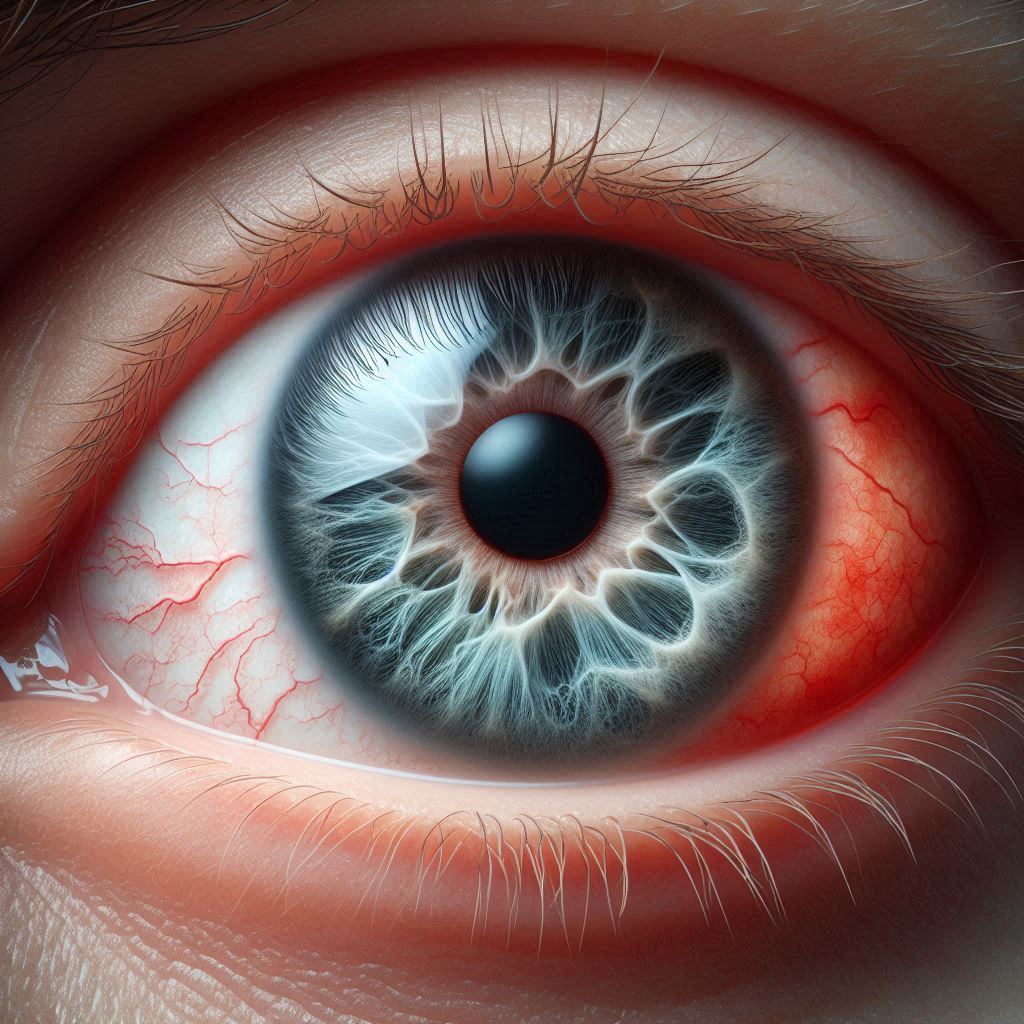
An acute attack can cause:
- Severe eye pain
- Redness
- Blurred vision
- Halos around lights
- Headache
- Nausea or vomiting
A sudden combination of severe eye pain, red eye and blurred vision requires urgent medical attention.
Secondary Glaucoma
Glaucoma can sometimes occur as a result of another eye condition, injury, medication or medical problem.
Treatment may therefore need to address both the raised eye pressure and its underlying cause.
Childhood Glaucoma
Glaucoma can also occur in children, although the presentation and management differ from adult glaucoma.
Who Should Consider a Glaucoma Check-Up?
Glaucoma can affect people without obvious symptoms, but some individuals have a higher risk.
A glaucoma evaluation becomes particularly important when there is:
- A family history of glaucoma
- Increasing age
- Previous high eye-pressure readings
- Long-term steroid use
- Previous eye injury
- Certain eye conditions
- Significant refractive errors
- A previous diagnosis of glaucoma or glaucoma suspect
If glaucoma runs in your family, mention this during your eye examination.
What Happens During a Glaucoma Evaluation?
A glaucoma assessment is more comprehensive than simply checking whether you can read an eye chart.
Depending on the individual case, the ophthalmologist may assess:
- Visual acuity
- Intraocular pressure
- Optic nerve appearance
- Visual field
- Corneal measurements
- Drainage angle
- Retinal and optic nerve structures
Additional tests may be recommended when the examination suggests glaucoma or when closer monitoring is required.
Why Is the Optic Nerve Exam Important?
The optic nerve is one of the main structures affected by glaucoma.
During an examination, the ophthalmologist may look for changes such as:
- Increased optic nerve cupping
- Differences between the two eyes
- Changes in the nerve rim
- Progression compared with earlier examinations
A single examination can provide important information, but comparison over time is often particularly valuable.
What Is a Visual Field Test?
A visual field test measures how well you can detect objects or light stimuli in different areas of your field of vision.
This is important because glaucoma often affects peripheral vision before central vision becomes noticeably impaired.
During the test, you usually look at a central target and respond when you detect lights appearing in different parts of your visual field
The results can help the ophthalmologist determine whether glaucoma is affecting visual function.
What Is OCT in Glaucoma?
Optical coherence tomography (OCT) can provide detailed images and measurements of retinal and optic nerve structures.
In glaucoma care, OCT can help assess structures such as the:
- Retinal nerve fibre layer
- Optic nerve head
- Ganglion cell layers
OCT findings can be compared with clinical examination and visual field results.
It is an important monitoring tool, but it does not replace the overall glaucoma assessment.
Why One Glaucoma Test Is Not Enough
A person may have:
- High eye pressure but no optic nerve damage
- Optic nerve changes without significantly raised eye pressure
- A suspicious-looking optic nerve without definite glaucoma
- Visual field changes that need further evaluation
For this reason, glaucoma diagnosis usually depends on multiple pieces of information rather than one test result.
The combination of clinical examination, pressure measurement, optic nerve assessment and functional testing provides a more complete picture.
Glaucoma Suspect Does Not Always Mean Glaucoma
Some people are labelled glaucoma suspects because they have one or more risk factors or examination findings that require monitoring.
This could include:
- Higher-than-expected eye pressure
- Suspicious optic nerve appearance
- Family history
- Family history
Being a glaucoma suspect does not automatically mean that permanent glaucoma damage is present.
Regular follow-up helps determine whether the findings remain stable or show evidence of progression.
Why Regular Glaucoma Follow-Up Matters
Glaucoma is usually a long-term condition.
Even when you feel perfectly well, follow-up may be necessary to determine whether:
- Eye pressure remains controlled
- The optic nerve is stable
- Visual fields have changed
- OCT measurements have changed
- The current treatment remains appropriate
A treatment that controls eye pressure today may need adjustment later.
Glaucoma Treatment Is About More Than Lowering Pressure
Lowering intraocular pressure is a major part of glaucoma management, but good care also involves understanding whether the disease is progressing.
The ophthalmologist may consider:
- Current eye pressure
- Target pressure
- Optic nerve appearance
- Visual field results
- OCT findings
- Patient age
- Treatment adherence
- Medication tolerance
- Rate of change over time
This helps create a treatment plan tailored to the individual rather than treating every glaucoma patient in exactly the same way.
Glaucoma Treatment in Thiruvallur at Deepam Eye Hospital
Patients searching for glaucoma treatment in Thiruvallur, glaucoma specialist in Thiruvallur, glaucoma doctor in Thiruvallur or glaucoma check-up in Thiruvallur can seek a comprehensive evaluation when they have glaucoma risk factors, abnormal eye-pressure readings or an existing diagnosis.A glaucoma consultation can help determine whether the patient needs monitoring, medication, laser treatment or another form of management based on the examination findings.
How Is a Glaucoma Treatment Plan Decided?
Glaucoma treatment is not based on a single eye-pressure number.
The ophthalmologist considers the overall picture, including:
- Type of glaucoma
- Current eye pressure
- Optic nerve condition
- Visual field findings
- OCT measurements
- Existing vision loss
- Rate of disease progression
- Age and general health
- Previous glaucoma treatment
- Ability to use medicines consistently
The objective is to bring the eye pressure to a level that is appropriate for that particular eye and reduce the risk of further optic nerve damage.
Glaucoma Eye Drops: The Usual Starting Point for Many Patients
Prescription eye drops are an important part of glaucoma management.
Depending on the medicine, glaucoma drops can work by:
- Reducing production of fluid inside the eye
- Improving drainage of fluid
- Or using a combination of mechanisms
The choice of medicine depends on the patient's glaucoma, target pressure, other eye conditions, general health and response to treatment.
Glaucoma drops are not designed to make the eyes feel better. Their purpose is to help control the disease and protect remaining vision.
Why Taking Glaucoma Drops Regularly Matters
One of the biggest challenges in glaucoma treatment is that patients may not notice an immediate difference when they miss their medication.
There may be:
- No pain
- No obvious blurring
- No immediate change in daily activities
This can make it tempting to stop treatment.
However, glaucoma can continue progressing without noticeable symptoms. Prescribed medication should therefore be used consistently unless the treating ophthalmologist changes the treatment plan.
What If Glaucoma Eye Drops Cause Irritation?
Some patients may experience:
- Stinging
- Redness
- Itching
- Dryness
- Blurred vision immediately after instillation
- Other medication-specific effects
Patients should not simply stop their glaucoma medication because of side effects.
Instead, they should discuss the problem with their ophthalmologist. The doctor may consider a different medicine, dosing schedule or another treatment approach when appropriate.
Using Glaucoma Eye Drops Correctly
Correct administration matters because the prescribed medicine needs to reach the eye effectively.
A practical routine includes:
- Wash your hands.
- Tilt your head back and look upward.
- Gently pull down the lower eyelid.
- Place the prescribed drop into the lower eyelid pocket.
- Avoid touching the bottle tip to the eye or eyelashes.
- Close the eye gently after applying the drop.
- Follow the instructions given by the ophthalmologist.
If more than one eye drop is prescribed, the patient should follow the recommended interval between different medicines.
What If You Find It Difficult to Put in Eye Drops?
This is particularly common among:
- Older adults
- Patients with reduced hand strength
- People with arthritis
- Patients with poor vision
- Those using multiple eye medicines
If the drops repeatedly miss the eye, the treatment may not work as intended.
A family member or caregiver may be able to help when appropriate. Patients can also ask the eye-care team to demonstrate the correct technique.
When Can Glaucoma Treatment Move Beyond Eye Drops?
Medication may not always provide sufficient pressure control.
Further treatment may be considered when:
- The target eye pressure is not reached
- Glaucoma continues to progress
- Using multiple medicines becomes difficult
- The glaucoma is advanced
- The type of glaucoma requires another approach
The next step is not automatically surgery. Depending on the type of glaucoma, laser treatment or another intervention may be considered.
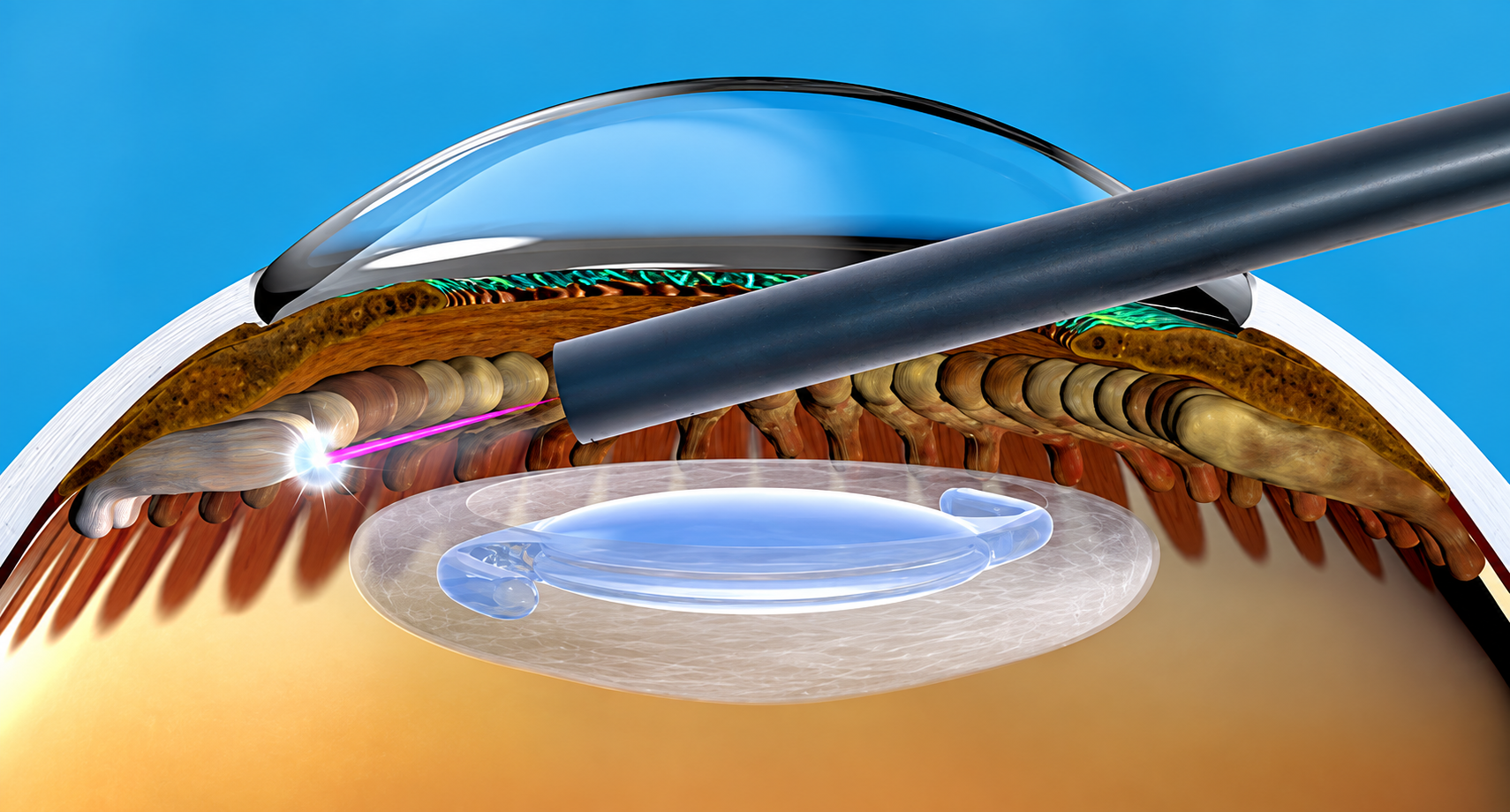
Laser Treatment for Glaucoma
Laser treatment can help lower eye pressure in selected forms of glaucoma.
One commonly used approach for open-angle glaucoma is laser trabeculoplasty, which aims to improve fluid drainage through the eye's natural drainage pathway.
The suitability of laser treatment depends on the type and characteristics of glaucoma.
What Happens During Glaucoma Laser Treatment?
Laser treatment is generally performed using numbing eye drops.
The ophthalmologist uses a specialised lens to direct the laser to the appropriate part of the eye.
Patients may see brief flashes of light during the procedure.
The purpose is to improve fluid drainage and reduce intraocular pressure.
The exact laser technique depends on the type of glaucoma being treated.
Is Glaucoma Laser Treatment Painful?
Many patients experience little discomfort during laser treatment, although some may notice:
- Mild pressure
- Bright flashes
- Temporary irritation
- Blurred vision for a short period
Individual experiences can vary.
The ophthalmologist will explain the expected procedure and post-treatment care before the laser is performed.
What Happens After Glaucoma Laser Treatment?
The eye may feel irritated or vision may be temporarily blurred immediately after treatment.
The patient may need:
- Post-treatment eye drops
- An eye-pressure check
- Follow-up examinations
- Continued glaucoma medication
Laser treatment does not necessarily mean that glaucoma drops can be stopped.
The ophthalmologist decides whether medication should be continued, reduced or changed based on the response.
How Quickly Does Laser Treatment Work?
The response to glaucoma laser treatment is assessed through follow-up rather than assuming success immediately after the procedure.
The ophthalmologist may review:
- Eye pressure
- Medication requirement
- Optic nerve status
- Overall disease control
Some patients may require additional treatment if pressure remains above the desired target.
Can Glaucoma Laser Treatment Be Repeated?
In some situations, further laser treatment may be considered.
The ophthalmologist may review:
- Eye pressure
- Medication requirement
- Optic nerve status
- Overall disease control
If laser does not provide adequate control, another form of treatment may be discussed.
When Is Glaucoma Surgery Considered?
Glaucoma surgery may enter the treatment discussion when medication and/or laser treatment do not provide adequate disease control or when the clinical situation indicates a need for surgical pressure reduction.
The decision may depend on:
- Severity of glaucoma
- Target eye pressure
- Evidence of progression
- Remaining visual function
- Previous treatments
- Type of glaucoma
Surgery is therefore not automatically the next step for every person diagnosed with glaucoma.
Types of Glaucoma Surgery
Depending on the condition, surgical options can include procedures designed to improve the drainage of fluid from the eye.
These may include:
Trabeculectomy
A new drainage pathway is created to allow fluid to leave the eye and reduce pressure.
Glaucoma Drainage Implant
A small drainage device can provide an alternative pathway for fluid to leave the eye.
Minimally Invasive Glaucoma Surgery
Selected patients with appropriate disease characteristics may be considered for minimally invasive procedures designed to lower eye pressure with a less invasive surgical approach.
The suitability of each procedure depends on the patient's individual glaucoma.
Glaucoma Surgery Is Not a Cure
It is important for patients to understand the purpose of glaucoma surgery.
Surgery is intended to lower eye pressure and help protect remaining vision.
It does not:
- Restore an already damaged optic nerve
- Reverse established visual field loss
- Guarantee that glaucoma will never progress
Patients still require follow-up after surgery.
What Is Recovery Like After Glaucoma Surgery?
Recovery depends on the type of procedure performed.
After surgery, patients may need:
- Prescription eye drops
- Several follow-up examinations
- Temporary activity restrictions
- Regular eye-pressure monitoring
The eye may be uncomfortable or appear red during the healing period.
Patients should follow the specific post-operative instructions provided by the treating ophthalmologist.
Can Glaucoma Treatment Change Over Time?
yes
Glaucoma is a long-term condition, and the treatment plan may need adjustment.
For example, a patient may initially be managed with:
One medication
Additional medication
Laser treatment
Surgery
But this sequence is not fixed.
Another patient may remain stable with one treatment for many years.
The important factor is whether the treatment is maintaining appropriate pressure and controlling disease progression.
Why Glaucoma Follow-Up Is More Than an Eye-Pressure Check
A lower eye-pressure reading is encouraging, but it does not tell the whole story.
During follow-up, the ophthalmologist may compare:
- Current eye pressure
- Previous eye pressure
- Visual field results
- OCT measurements
- Optic nerve appearance
- Medication response
Comparing these findings over time can help identify whether glaucoma is stable or progressing.
What Is a Target Eye Pressure?
A target pressure is an individualized pressure level that the ophthalmologist considers appropriate for reducing the risk of further glaucoma damage.
It can depend on:
- Severity of existing damage
- Rate of progression
- Type of glaucoma
- Age
- Other risk factors
- Response to treatment
Therefore, a pressure that is acceptable for one person may not be appropriate for another.
Glaucoma Care for Older Adults
Glaucoma becomes increasingly important with age, but treatment decisions should still be individualised.
Older patients may also have:
- Cataract
- Dry eye
- Multiple medications
- Reduced hand strength
- Difficulty remembering multiple doses
These factors can influence how glaucoma treatment is planned.
A practical treatment plan should consider not only pressure control but also the patient's ability to follow it consistently.
Glaucoma and Cataract: Are They Related?
Glaucoma and cataract are different eye conditions, although they can occur in the same person.
A patient may therefore require assessment of both:
- Lens clarity
- Optic nerve health
- Eye pressure
- Visual function
In selected patients with both cataract and glaucoma, the ophthalmologist may discuss whether cataract surgery and glaucoma management should be coordinated.
The appropriate approach depends on the individual eye.
Glaucoma Treatment in Thiruvallur
Patients searching for glaucoma treatment in Thiruvallur, glaucoma specialist in Thiruvallur, glaucoma surgery in Thiruvallur or glaucoma laser treatment in Thiruvallur can seek an assessment to understand the current stage of glaucoma and the available management options.
At Deepam Eye Hospital, Thiruvallur, patients can discuss:
- Lens clarityGlaucoma diagnosis
- Eye-pressure control
- Glaucoma medications
- Laser treatment
- Surgical options
- Long-term glaucoma monitoring
Living With Glaucoma: Protecting Vision Over the Long Term
Glaucoma care does not end when the eye pressure comes down.
Because glaucoma can progress gradually, long-term management involves checking whether the optic nerve and visual field remain stable.
A useful way to think about glaucoma care is:
Detect
Establish a treatment target
Control eye pressure
Monitor for chang
Adjust treatment when necessary
The goal is not simply to achieve a particular pressure reading once. The goal is to maintain appropriate control over time.
Which Glaucoma Treatment May Be Appropriate?
| Situation | Possible Approach | Main Consideration |
|---|---|---|
| Glaucoma detected with manageable pressure levels | Prescription eye drops and monitoring | Consistent use and regular follow-up |
| Pressure remains above the desired target | Additional or changed medication | Response to treatment and tolerance |
| Suitable open-angle glaucoma | Laser treatment may be considered | Depends on the drainage angle and disease characteristics |
| Glaucoma continues progressing despite treatment | Escalation of treatment | Requires review of pressure and disease progression |
| Advanced or difficult-to-control glaucoma | Surgical management may be considered | Procedure is selected according to the individual eye |
| Glaucoma suspect without definite progression | Regular monitoring | Treatment may not be necessary immediately |
There is no universal treatment sequence that applies to every patient.
How Do Doctors Know Whether Glaucoma Is Stable?
A patient may feel that their eyesight has not changed, but that does not necessarily prove that glaucoma is stable
The ophthalmologist may compare examinations performed at different times.
Important information can include:
- Eye-pressure measurements
- Optic nerve photographs or examination findings
- Visual field results
- OCT measurements
- Changes between previous and current visits
Looking at the trend over time can be more informative than relying on a single test.
Why Should You Keep Previous Glaucoma Reports?
Previous reports can help the ophthalmologist understand how the eye has changed.
Keeping records of:
- Eye-pressure readings
- Visual field tests
- OCT scans
- Optic nerve photographs
- Previous prescriptions
- Surgical or laser treatment records
can make long-term comparison easier.
This becomes especially useful when a patient changes doctors or moves between different eye-care centres.
What Happens If Glaucoma Treatment Is Not Working Well Enough?
If glaucoma appears to be progressing despite treatment, the ophthalmologist may review the entire management plan.
This can involve checking:
- Whether the eye pressure is sufficiently controlled
- Whether the prescribed medicines are being used correctly
- Whether the target pressure needs to be revised
- Whether another medication should be added or changed
- Whether laser treatment is appropriate
- Whether surgery should be considered
Treatment escalation should be based on evidence of inadequate control rather than simply increasing treatment without reassessment.
Glaucoma Medication and Daily Routine
For people using glaucoma drops for many years, fitting treatment into everyday life can make adherence easier.
Patients may find it useful to associate eye drops with an established daily routine, such as:
- Morning medication
- Evening medication
- Regular personal-care routines
If multiple medicines are prescribed, keeping a written schedule can help prevent missed doses.
If a dose is forgotten, patients should follow the medication instructions provided by their doctor rather than changing the dosing schedule independently
Glaucoma Care When You Have Other Eye Problems
Patients with glaucoma may also develop other eye conditions.
For example, they may have:
- Cataract
- Dry eye
- Diabetic retinal disease
- Corneal problems
- Refractive errors
These conditions can affect visual quality independently of glaucoma.
A change in vision therefore does not always mean that glaucoma has progressed.
A comprehensive examination can help identify the actual reason for the change.
Glaucoma and Driving
Glaucoma can affect peripheral vision, particularly when the disease becomes more advanced.
People with established glaucoma should discuss their visual field results and driving requirements with their ophthalmologist.
A person may have good central vision while still having limitations in peripheral visual awareness.
Driving suitability should therefore be considered according to the individual's visual function and applicable requirements.
Glaucoma and Everyday Activities
Early glaucoma may have little effect on daily activities.
As visual field loss becomes more advanced, some people may notice difficulty with:
- Navigating unfamiliar places
- Detecting objects from the side
- Moving safely in poorly lit areas
- Certain visually demanding activities
Good lighting, appropriate visual aids and awareness of the person's visual field can help with practical adaptation when necessary.
Can Glaucoma Patients Lead a Normal Daily Life?
Many people with glaucoma continue their normal activities while receiving appropriate treatment and monitoring.
The important factors are:
- Following the prescribed treatment
- Attending follow-up appointments
- Reporting significant visual changes
- Managing associated health conditions
- Understanding that glaucoma can be present even when symptoms are minimal
A diagnosis of glaucoma does not mean that severe vision loss is inevitable.
The purpose of treatment is to reduce the risk of further damage and preserve useful vision for as long as possible.
Family History and Glaucoma Screening
A family history of glaucoma can increase an individual's risk.
If a close family member has glaucoma, it is useful to mention this during an eye examination.
Family members may need periodic eye evaluations based on their age, risk factors and clinical findings.
Screening is particularly valuable because glaucoma can develop without obvious early symptoms.
Glaucoma in One Eye: Does the Other Eye Need Checking?
Yes.
Even when glaucoma is diagnosed primarily in one eye, the other eye should also be evaluated
The ophthalmologist may compare:
- Eye pressure
- Optic nerve appearance
- Visual fields
- OCT findings
- Other risk factors
Glaucoma can affect the two eyes differently, so both eyes require appropriate assessment.
When Should You Not Wait for a Routine Glaucoma Appointment?
Most glaucoma follow-up is planned and scheduled.
However, certain symptoms warrant earlier medical attention, particularly:
- Sudden severe eye pain
- Sudden blurred vision
- Redness associated with significant eye discomfort
- Halos around lights with acute symptoms
- Nausea or vomiting accompanying severe eye symptoms
- Sudden major changes in vision
These symptoms can occur in acute forms of glaucoma and should be evaluated promptly.
Glaucoma Treatment in Thiruvallur: A Long-Term Approach
For someone searching for glaucoma treatment in Thiruvallur, the important question is not simply where to obtain an eye-pressure check.
A proper glaucoma service should help establish:
Is glaucoma actually present?
How advanced is it?
What pressure is appropriate for this eye?
Is the current treatment working?
Is the optic nerve stable?
Does the treatment need to change?
This approach allows glaucoma care to be based on the patient's individual disease rather than on a single measurement.
Glaucoma Treatment at Deepam Eye Hospital, Thiruvallur
Patients looking for glaucoma specialist in Thiruvallur, glaucoma treatment in Thiruvallur, glaucoma check-up in Thiruvallur or glaucoma surgery in Thiruvallur can seek evaluation for suspected or previously diagnosed glaucoma.
At Deepam Eye Hospital, Thiruvallur, patients can discuss:
- Glaucoma screening
- Eye-pressure assessment
- Optic nerve evaluation
- Visual field testing
- OCT-based monitoring
- Glaucoma medication
- Laser treatment
- Surgical options
- Long-term follow-up
Dr. Vimala
Consultant Ophthalmologist
Dr. Vimala is a Consultant Ophthalmologist with interests in:
Areas of Interest
Patients with suspected or diagnosed glaucoma can undergo an ophthalmic evaluation to assess eye pressure, optic nerve health and visual function.
The appropriate management plan depends on the individual's examination findings, disease stage and response to treatment.
Glaucoma Treatment in Thiruvallur
Where can I get glaucoma treatment in Thiruvallur?
Patients looking for glaucoma treatment in Thiruvallur can undergo a glaucoma evaluation at Deepam Eye Hospital to assess eye pressure, optic nerve health and visual function.
Can glaucoma be treated permanently?
Glaucoma damage that has already occurred cannot generally be reversed. Treatment is aimed at controlling the disease and reducing the risk of further optic nerve damage.
Is glaucoma treatment lifelong?
Many patients require long-term monitoring and treatment, although the specific treatment plan can change over time.
Can glaucoma be treated without surgery?
Yes. Depending on the type and severity, glaucoma may be managed with eye drops, laser treatment or observation in selected cases.
When is glaucoma surgery required?
Surgery may be considered when glaucoma is not adequately controlled with other treatments or when the clinical situation indicates that surgical pressure reduction is appropriate.
Does glaucoma always cause blindness?
No. Early detection, appropriate treatment and regular monitoring can help reduce the risk of significant vision loss. However, glaucoma can cause permanent vision loss if it progresses without adequate management.
Can eye pressure be normal in glaucoma?
Yes. Some people develop glaucoma despite eye-pressure measurements that fall within a commonly considered normal range.
Can glaucoma affect both eyes?
Yes. Glaucoma can affect both eyes, although the severity and rate of progression may differ between them.
How often should glaucoma patients have check-ups?
The appropriate interval depends on the type and severity of glaucoma, treatment and stability of the disease. The ophthalmologist determines the follow-up schedule.
Can I stop glaucoma drops when my eye pressure becomes normal?
Do not stop prescribed glaucoma medication on your own. A lower pressure may be the result of the treatment working, and the ophthalmologist should decide whether medication needs to be continued or changed.
Frequently Asked Questions
There is no single best treatment for every glaucoma patient. Eye drops, laser treatment or surgery may be appropriate depending on the type of glaucoma, eye pressure, optic nerve damage and disease progression.
Established optic nerve damage from glaucoma generally cannot be reversed. Treatment focuses on protecting the remaining nerve fibres and reducing the risk of further damage.
No. Eye pressure is only one part of glaucoma assessment. Optic nerve appearance, visual field and other findings also matter.
No. The absence of symptoms does not necessarily mean that glaucoma is stable. Treatment should be changed or stopped only after discussion with the treating ophthalmologist.
Some patients with both glaucoma and cataract may undergo cataract surgery. The decision depends on the condition of each eye and the overall treatment plan.
In selected patients, laser treatment can help lower eye pressure and may reduce the need for medication or delay surgery. It is not suitable for every type or stage of glaucoma.
Progressive glaucoma can cause permanent optic nerve damage and corresponding visual field loss. Advanced disease can significantly affect vision.
Yes. Although glaucoma becomes more common with age, younger people can also develop certain forms of glaucoma.
A family history can increase glaucoma risk. Family members should discuss appropriate eye examinations with an ophthalmologist based on their age and individual risk factors.
Sudden severe eye pain with blurred vision, redness or other acute symptoms can require urgent evaluation. Do not wait for a routine glaucoma appointment.
Glaucoma Treatment in Thiruvallur — Protect Your Vision With Regular Care
Glaucoma management is a continuing process rather than a one-time procedure.
Whether you have recently been diagnosed, have been using glaucoma medication for years, or have been told that you are a glaucoma suspect, regular assessment can help determine whether the disease remains controlled.
If you are looking for glaucoma treatment in Thiruvallur, consult Deepam Eye Hospital for an individual glaucoma evaluation and discuss the treatment and monitoring approach appropriate for your eyes.
Deepam Eye Hospital, Thiruvallur
No. 77/1, C.V. Naidu Salai, Thiruvallur.
Contact UsMedical Disclaimer
This page provides general educational information and does not replace an individual examination by an ophthalmologist. Glaucoma varies considerably between patients, and treatment decisions depend on clinical findings, disease severity and response to treatment. Do not start, stop or change glaucoma medication without medical advice. Sudden severe eye pain, blurred vision, redness or other acute visual symptoms require prompt ophthalmic assessment.
