- For appointment (+91) 97906 97907
Cataract Surgery in Urapakkam
Cataracts can gradually affect vision when the eye’s natural lens becomes cloudy. In the early stages, the changes may be subtle, but progressive cataract can make reading, recognising faces, driving, working or seeing clearly in low-light conditions more difficult.
Cataract surgery is considered when cataract-related vision loss starts affecting a person's daily activities or visual requirements. Before deciding on surgery, an eye specialist evaluates the eyes, assesses the cause and extent of vision changes, and determines whether cataract treatment is appropriate.
For those looking for cataract surgery in Urapakkam, Deepam Eye Hospital provides a local option for patients seeking evaluation of cataract-related vision concerns.
A cataract is clouding of the eye’s natural lens that can reduce visual clarity. When the resulting vision problems interfere with daily life, an ophthalmologist may discuss cataract surgery after evaluating the patient's eye health and visual needs.
What Is a Cataract?
A cataract is clouding of the natural lens inside the eye that can gradually reduce the clarity of vision.
The natural lens lies behind the iris and helps focus light so the eye can produce a clear image. As the lens becomes cloudy, light may not pass through it normally, which can lead to blurred, hazy or less distinct vision.
Cataracts generally develop gradually. A person may initially notice only minor changes and may compensate by using brighter lighting, enlarging text or changing their glasses.
As the condition progresses, these adjustments may become less effective. An eye examination can establish whether the visual changes are caused by a cataract or another eye condition.
What Are the Symptoms of Cataract?
Cataract symptoms can vary from person to person and may become noticeable gradually.
Common symptoms include:
- Blurred or cloudy vision
- Reduced visual sharpness
- Difficulty seeing clearly in dim light
- Glare from bright lights
- Increased difficulty with headlights at night
- Halos around lights
- Difficulty reading small print
- Colours appearing less vivid
- Difficulty seeing fine details
- Difficulty recognising faces from a distance
- Frequent changes in spectacle prescription
These symptoms do not confirm the presence of cataract by themselves. Similar complaints can occur with refractive errors and other eye conditions, making a professional examination important.
How Can Cataracts Affect Everyday Activities?
Cataract-related vision changes can affect everyday tasks in different ways. Someone may find that activities they previously performed comfortably now require more effort or better lighting.
Vision affected by cataract may make it harder to:
- Read books, newspapers or small text
- Drive, particularly at night
- Recognise people from a distance
- See details on television or digital screens
- Work in low-light environments
- Identify objects clearly
- Perform visually demanding tasks
Because cataracts can progress slowly, people sometimes adapt to declining vision without immediately recognising the extent of the change.
If vision changes are interfering with your routine, a cataract evaluation in Urapakkam can help identify the underlying cause.
What Causes Cataracts?
Age-related changes in the natural lens are a common factor associated with cataract development. However, cataracts can also occur in association with certain medical conditions, eye injuries, previous eye procedures and other factors.
Factors associated with cataract development can include:
- Increasing age
- Diabetes
- Previous eye injury
- Certain eye conditions
- Previous eye surgery
- Certain long-term medication use
- Prolonged ultraviolet exposure
The presence of a risk factor does not mean that a person will definitely develop cataracts. Likewise, visual changes should not automatically be attributed to ageing.
A proper eye examination is needed to identify the cause of reduced vision.
Can Cataracts Occur in Younger Adults?
Yes. Cataracts can occur in younger adults, although they are commonly associated with ageing.
Certain medical conditions, previous eye injuries, previous eye procedures and other factors can be associated with cataract development.
Therefore, persistent blurred, cloudy or reduced vision in a younger adult should also be evaluated rather than assumed to be a normal or temporary change.
Who May Have a Higher Risk of Cataract?
Certain factors may increase the likelihood of developing cataracts.
These can include:
- Increasing age
- Diabetes
- Previous trauma to the eye
- Previous eye surgery
- Certain eye diseases
- Prolonged ultraviolet exposure
- Certain long-term medication exposure
Risk factors alone cannot establish a diagnosis. The ophthalmologist needs to assess the eyes and consider the individual's medical and eye history.
How Is Cataract Diagnosed?
Cataract diagnosis involves an eye examination that assesses vision and examines the structures of the eye, including the natural lens.
The assessment helps the ophthalmologist determine whether:
- A cataract is present
- The natural lens has become cloudy
- The cataract may be affecting visual function
- Another eye condition could be contributing to reduced vision
- Additional assessment is required
The specific examinations required may vary depending on the patient's symptoms, medical history, age and clinical findings.
Why Is Cataract Evaluation Important?
A cataract evaluation in Urapakkam is important because reduced vision does not always mean that a cataract is responsible.
Blurred vision, glare, night-vision difficulties and reduced visual clarity may also occur with other conditions affecting different parts of the eye.
A professional evaluation helps establish what may be contributing to the patient's visual symptoms and whether cataract-related treatment should be considered.
It can help address questions such as:
- Is the vision problem caused by cataract?
- How significantly is the cataract affecting vision?
- Could another eye condition be contributing?
- Does the patient require further assessment?
- Is treatment currently necessary?
This provides a more appropriate basis for treatment decisions than relying on symptoms alone.
When Should Cataract Treatment Be Considered?
Cataract treatment may be considered when cataract-related vision changes begin interfering with daily activities, work, mobility or other important visual requirements.
The appropriate timing differs between individuals. A person with mild visual changes may be monitored, while another person may require treatment discussion because their vision is significantly affecting reading, driving or work.
The ophthalmologist may consider:
- The patient's visual symptoms
- Effect on daily activities
- Degree of lens clouding
- Overall eye health
- Other eye conditions
- Individual visual requirements
- Findings from the eye examination
The decision should be based on an individual assessment rather than age alone.
Can Cataracts Be Managed Without Surgery?
An established cataract cannot be removed using eye drops or medicines.
When cataract-related visual changes are mild, an ophthalmologist may recommend monitoring the condition or using suitable vision correction where appropriate.
As the cataract progresses and begins to interfere more significantly with vision, surgical treatment may be discussed.
Therefore, cataract treatment in Urapakkam does not necessarily mean immediate surgery for every patient. The appropriate approach depends on the individual's examination and visual needs.
When Is Cataract Surgery Discussed?
Cataract surgery may be discussed when the visual impairment caused by the cataract becomes significant enough to affect a person's quality of everyday vision.
This may include increasing difficulty with:
- Reading
- Driving
- Night vision
- Recognising faces
- Working
- Using digital devices
- Seeing fine details
- Carrying out routine activities
The ophthalmologist can evaluate the patient's eye health and discuss whether surgery is an appropriate option.
Understanding Cataract Care in Urapakkam
Cataract care in Urapakkam can begin with identifying changes in vision and understanding what is causing them.
From Vision Changes to Follow-Up
Vision Changes
Eye Examination
Cataract Evaluation
Assessment of Visual Impact
Treatment Discussion
Appropriate Follow-Up
Not every patient requires the same approach. The next step depends on the findings of the examination and the patient's individual circumstances.
For this reason, patients should seek professional assessment rather than deciding on a cataract operation in Urapakkam solely from online information.
What Should You Do If Your Vision Is Becoming Cloudy?
If your vision is becoming progressively cloudy, blurred or less clear, it is worth arranging an eye examination rather than assuming that cataract is the only possible cause.
Visual changes may be associated with cataract or other eye conditions involving structures such as the cornea, retina or optic nerve.
An eye specialist can assess the symptoms and determine whether cataract is present and what further evaluation or treatment may be appropriate.
Cataract Surgery: What Happens Before the Procedure?
Once cataract-related vision loss begins affecting daily activities, the next step is a detailed discussion with the treating ophthalmologist. Before a cataract operation in Urapakkam is planned, the eye needs to be assessed to understand the condition of the lens and the overall health of the eye.
The pre-surgery assessment helps the doctor determine whether cataract surgery is appropriate and identify factors that may influence surgical planning.
The consultation may involve discussion of:
- Current vision problems
- Previous eye conditions or procedures
- Existing medical conditions
- Medicines being taken
- Previous eye injuries
- Visual requirements and lifestyle
- Findings from the eye examination
This assessment helps create an individualised treatment plan rather than applying the same approach to every patient.
Eye Assessment Before Cataract Surgery
A detailed eye assessment is an important part of cataract surgery planning. The ophthalmologist evaluates the eye to understand the cataract and identify any additional conditions that could influence visual outcomes.
The assessment may include appropriate measurements and examinations based on the patient's individual needs.
The doctor may need to evaluate:
- Visual acuity
- The condition of the natural lens
- Overall eye health
- The condition of other eye structures
- Eye measurements required for surgical planning
- Existing eye conditions
The specific tests required can vary between patients.
Why Is IOL Measurement Important?
IOL measurements help the ophthalmologist plan the artificial lens that may be placed inside the eye during cataract surgery.
An intraocular lens, or IOL, replaces the natural lens after it has been removed during the procedure.
Lens planning can involve consideration of:
- Eye measurements
- Existing eye health
- Visual requirements
- Previous eye procedures
- Individual clinical factors
Patients should discuss available lens options with their ophthalmologist and understand which option is appropriate for their particular eyes.
What Is an Intraocular Lens (IOL)?
An intraocular lens (IOL) is an artificial lens placed inside the eye during cataract surgery after the cloudy natural lens has been removed.
The natural lens plays an important role in focusing light. When it becomes significantly cloudy, replacing it with an artificial lens can form part of the surgical treatment.
IOL selection is not simply a matter of choosing the most advanced-sounding option. The appropriate choice depends on the patient's eye measurements, visual needs, eye health and clinical assessment.
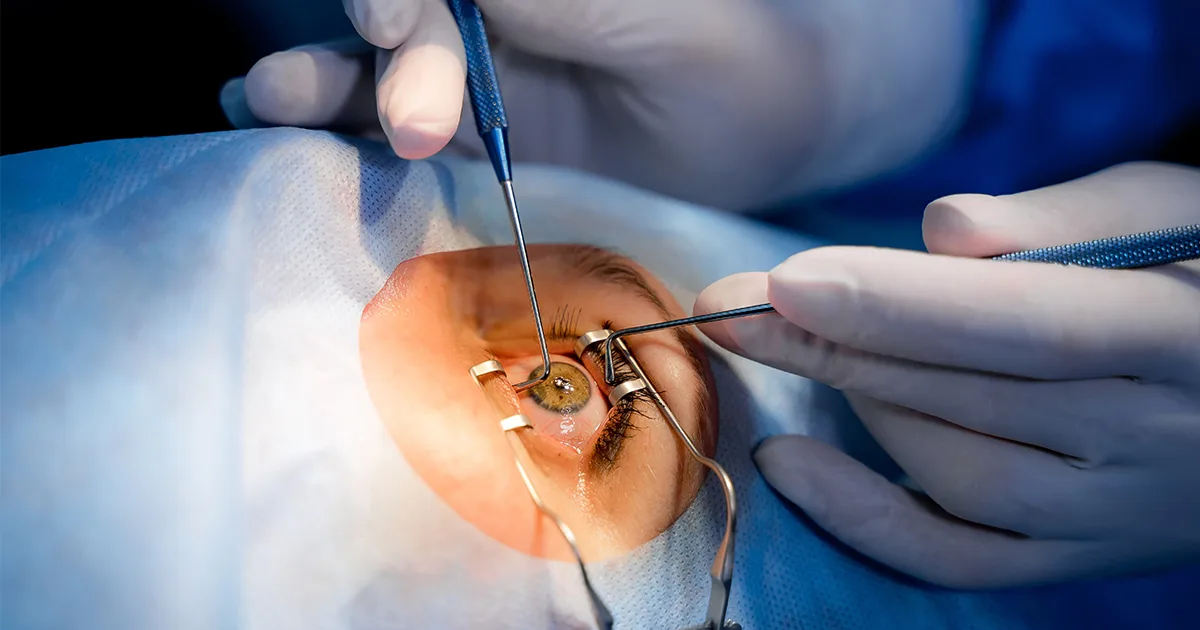
What Happens During Cataract Surgery?
Cataract surgery involves removing the cloudy natural lens and replacing it with an artificial intraocular lens when surgery is clinically appropriate.
The specific technique and surgical approach can vary depending on the patient's eye condition and the ophthalmologist's assessment.
Patients should receive individual instructions regarding preparation, medicines and postoperative care from their treating medical team.
If you are comparing a cataract surgery centre in Urapakkam, it is important to understand the complete treatment pathway rather than considering the operation alone.
What Should You Discuss With Your Eye Specialist Before Surgery?
Patients can use the consultation to understand their proposed treatment and make an informed decision.
Useful questions include:
- Why is cataract surgery being recommended?
- How is the cataract affecting my vision?
- Are there other eye conditions affecting my eyesight?
- What type of IOL is being considered?
- What preparation is required?
- What should I expect after surgery?
- What follow-up will be required?
- What risks are relevant to my eye condition?
The answers should be based on the patient's examination rather than general information applicable to someone else.
What Can You Expect After Cataract Surgery?
After cataract surgery, the operated eye requires time to heal. Visual recovery is not identical for everyone and can depend on individual eye health and other clinical factors.
Postoperative care forms an important part of the overall treatment process.
Depending on the doctor's instructions, patients may need to:
- Use prescribed eye drops
- Follow medication instructions
- Protect the operated eye
- Avoid rubbing or pressing the eye
- Follow activity restrictions
- Attend scheduled follow-up visits
- Report unusual or worsening symptoms
Patients should follow their own postoperative instructions rather than copying another person's recovery routine.
Cataract Surgery Recovery
Recovery following cataract surgery varies from patient to patient.
Some aspects of vision may change during the healing period, and visual stabilisation can take time. The recovery experience can depend on the patient's eye health, the procedure performed and other individual circumstances.
The treating ophthalmologist can advise when it is appropriate to resume activities such as:
- Driving
- Exercise
- Work
- Reading
- Extended screen use
- Other visually demanding activities
There is no universal recovery schedule that applies to every patient.
Postoperative Eye Care After Cataract Surgery
Following the postoperative plan is important for supporting the healing process and allowing the ophthalmologist to monitor the eye.
Patients should:
- Take prescribed medicines as directed
- Use eye drops according to instructions
- Avoid touching or rubbing the operated eye
- Follow recommended precautions
- Attend follow-up appointments
- Inform the doctor about unexpected changes
Do not independently stop, restart or change prescribed eye medication without medical advice.
Why Are Follow-Up Appointments Important?
Follow-up visits allow the treating ophthalmologist to assess the eye after surgery and monitor its recovery.
Depending on the patient's condition, follow-up assessment may include checking:
- Vision
- Healing of the operated eye
- Eye pressure when clinically indicated
- The condition of the intraocular lens
- Possible postoperative changes
- Whether additional care is required
Even when vision appears to be improving, patients should attend the follow-up appointments recommended by their doctor.

What Are the Possible Risks of Cataract Surgery?
Cataract surgery is a commonly performed eye procedure, but like any surgery, it can involve potential risks and complications.
The risks relevant to an individual patient can depend on factors such as:
- Existing eye conditions
- Overall eye health
- Medical history
- Previous eye procedures
- Individual surgical circumstances
The treating ophthalmologist should explain the relevant risks and benefits before surgery.
Patients should understand that no responsible healthcare provider can guarantee a particular surgical outcome for every individual.
When Should You Seek Medical Attention After Surgery?
After an eye procedure, patients should follow the postoperative instructions provided by their treating ophthalmologist.
Unexpected or significant changes should not be ignored.
Prompt medical assessment may be appropriate if a patient experiences symptoms such as:
- Sudden or significant change in vision
- Severe eye pain
- Increasing redness
- Significant swelling
- New or worsening visual symptoms
- Other unexpected changes after surgery
The treating eye specialist should provide patient-specific guidance about symptoms that require urgent attention.
Returning to Normal Activities After Cataract Surgery
The timing for returning to normal activities is individual.
Activities such as driving, exercise, work and other visually demanding tasks may need to be resumed according to the ophthalmologist's advice.
Rather than following a fixed number of days found online, patients should consider their own recovery and follow the instructions provided after their procedure.
This personalised approach is particularly important for patients with other eye conditions or additional health considerations.
Cataract Operation in Urapakkam: Understanding the Complete Journey
A cataract operation in Urapakkam is not limited to the surgical procedure itself.
From Pre-Surgery Evaluation to Follow-Up
Pre-Surgery Evaluation
Eye Measurements
Treatment Planning
IOL Consideration
Cataract Surgery
Postoperative Care
Follow-Up
Each stage has a different purpose. Proper assessment before surgery helps the ophthalmologist understand the patient's eye condition, while follow-up allows the recovery of the operated eye to be monitored.
Patients considering a cataract surgery hospital in Urapakkam should discuss their individual circumstances with the treating ophthalmologist before making a treatment decision.
Cataract Surgery and Individualised Treatment Planning
Cataract surgery should be planned according to the patient's individual eye health rather than using a standard approach for everyone.
Two patients with cataracts may have different:
- Visual requirements
- Eye measurements
- Medical histories
- Existing eye conditions
- Previous eye procedures
- IOL considerations
- Recovery needs
For this reason, information available online can help patients understand the general process, but it cannot replace an individual clinical assessment.
Cataract Care in Urapakkam
Choosing appropriate eye care for cataract involves more than looking for a place that provides surgery. Patients should first understand what is causing their vision changes, whether the cataract is affecting their daily activities, and what treatment options are appropriate for their individual eye health.
For patients seeking cataract care in Urapakkam, the treatment journey should be based on proper eye evaluation, professional medical guidance and appropriate follow-up.
Cataract Treatment Hospital in Urapakkam
Patients searching for a cataract treatment hospital in Urapakkam may have different concerns, from gradually blurred vision to difficulty reading or seeing clearly at night.
A suitable consultation can help patients understand:
- Whether cataract is responsible for their vision changes
- Whether another eye condition may also be present
- How the cataract is affecting their vision
- Whether treatment needs to be considered
- What further evaluation may be required
- What follow-up may be appropriate
Treatment decisions should be individualised according to the findings of the eye examination.
Cataract Surgery Hospital in Urapakkam
When searching for a cataract surgery hospital in Urapakkam, patients should consider the complete care pathway rather than focusing only on the surgical procedure.
Cataract care can involve evaluation, treatment planning, surgical care when indicated and postoperative monitoring. The treating ophthalmologist can explain the appropriate approach after assessing the patient's eye condition.
Deepam Eye Hospital in Urapakkam can be considered by patients seeking professional evaluation and treatment discussions for cataract-related vision concerns.
Cataract Surgery Centre in Urapakkam
A cataract surgery centre in Urapakkam should be considered in the context of the patient's individual eye health and treatment requirements.
Before proceeding with surgery, patients can discuss their concerns with the treating eye specialist and understand:
- The reason surgery has been recommended
- The condition affecting their vision
- The proposed treatment approach
- IOL considerations
- Expected postoperative care
- Follow-up requirements
- Relevant risks and benefits
This allows patients to make treatment decisions based on professional guidance rather than generalised information.
Cataract Eye Hospital in Urapakkam
For people looking for a cataract eye hospital in Urapakkam, the first step should be understanding the reason for the change in vision.
Blurred or cloudy vision can have several causes. A proper eye examination can help determine whether cataract is present and whether another eye condition may also require attention.
Deepam Eye Hospital in Urapakkam provides a local setting for patients seeking assessment of cataract-related concerns and discussion of appropriate eye care.
Dr. Vimala Karunanithi
Consultant Ophthalmologist
Dr. Vimala Karunanithi is a Consultant Ophthalmologist. Her areas of interest include:
Areas of Interest
Her interest in cataract care is relevant to patients seeking evaluation for cataract-related vision changes. Patients considering cataract surgery in Urapakkam can discuss their symptoms and undergo an appropriate eye assessment to understand their condition and treatment requirements.
What Should You Consider Before Choosing Cataract Care?
Cataract treatment is a personal medical decision. Before proceeding, patients may find it useful to consider whether they have received an appropriate eye examination and understand the recommended treatment.
During consultation, patients can ask about:
- Their current eye condition
- The cause of their vision changes
- Whether cataract is affecting their daily activities
- Available treatment options
- IOL considerations
- Expected postoperative care
- Follow-up requirements
- Possible risks and complications
The final treatment decision should be made with the treating ophthalmologist based on the patient's clinical findings.
Why an Individual Eye Assessment Matters
Two people with cataracts may not have the same visual symptoms, eye health or treatment requirements.
Differences can exist in:
- The severity of lens clouding
- Overall eye health
- Existing eye conditions
- Medical history
- Visual requirements
- Previous eye procedures
- Recovery considerations
This is why a patient-focused approach is important when considering cataract treatment in Urapakkam.
Quick Answers about Cataract Surgery in Urapakkam
What is cataract surgery?
Cataract surgery is a procedure in which the cloudy natural lens of the eye is removed and replaced with an artificial intraocular lens when surgery is clinically appropriate.
Where can I get cataract surgery in Urapakkam?
Patients looking for cataract surgery in Urapakkam can consult Deepam Eye Hospital for evaluation of cataract-related vision concerns and discussion of appropriate treatment with the treating eye specialist.
When is cataract surgery recommended?
Cataract surgery may be considered when cataract-related vision impairment begins interfering with everyday activities or the patient's visual requirements. The appropriate timing should be determined after an eye examination.
What is the first step for cataract treatment?
The first step is an appropriate eye examination. The ophthalmologist can determine whether cataract is causing the visual symptoms and whether treatment should be considered.
Can cataract surgery be performed without an eye evaluation?
A proper eye evaluation is important before surgery because reduced vision can have causes other than cataract. The examination helps the ophthalmologist assess the eye and plan appropriate treatment.
Is cataract surgery suitable for everyone with cataracts?
Not necessarily. The need for surgery depends on the effect of the cataract on vision, the patient's eye health, visual requirements and clinical findings.
What is an IOL?
An IOL, or intraocular lens, is an artificial lens placed inside the eye after the cloudy natural lens is removed during cataract surgery.
How should I choose a cataract surgery doctor in Urapakkam?
Patients should consider verified professional credentials, appropriate eye evaluation, clear communication about treatment options, and the ability to discuss their individual eye condition with the treating ophthalmologist.
Frequently Asked Questions About Cataract Surgery in Urapakkam
Increasingly cloudy vision, glare, difficulty seeing at night, reduced visual sharpness or difficulty performing everyday visual tasks can indicate the need for an eye examination. These symptoms do not by themselves confirm that cataract treatment is required.
An established cataract cannot be removed with medicines or eye drops. In earlier stages, an ophthalmologist may recommend monitoring or appropriate vision correction. Surgery may be considered when the cataract significantly affects vision.
An eye examination is required to determine the cause. Blurred vision can occur due to cataract as well as several other eye conditions.
Ask your ophthalmologist why surgery is being recommended, what treatment approach is proposed, what IOL options may be appropriate, what recovery involves and what risks are relevant to your individual eye condition.
Recovery varies between individuals. Your ophthalmologist can provide guidance based on your eye health, procedure and recovery progress.
Yes. Cataracts can be associated with glare, difficulty seeing in low-light conditions and increased difficulty with headlights or other bright lights at night.
Yes. Cataract-related reduction in visual clarity can make reading small text or performing detailed near-vision tasks more difficult.
Cataracts can occur in both eyes, although the degree of lens clouding and visual impairment may differ between the two eyes.
It is better to seek an eye examination when persistent vision changes begin affecting your daily activities. The ophthalmologist can determine the condition of the eyes and advise whether monitoring or treatment is appropriate.
Patients searching for cataract evaluation in Urapakkam can consult Deepam Eye Hospital for assessment of cataract-related vision concerns and professional guidance based on their eye examination.
Book a Cataract Consultation in Urapakkam
Persistent blurred, cloudy or reduced vision should not simply be attributed to ageing. A professional eye examination can help identify whether cataract or another eye condition is contributing to the change in vision.
If you are looking for cataract surgery in Urapakkam, cataract treatment in Urapakkam, or an eye hospital in Urapakkam for cataract, Deepam Eye Hospital can be considered for professional evaluation and treatment discussion.
Schedule an eye consultation to understand your vision concerns and discuss the appropriate next step with the treating eye specialist.
Deepam Eye Hospital, Urapakkam
Contact UsMedical Disclaimer
This page provides general educational information about cataracts and cataract surgery. It does not replace an individual eye examination, diagnosis or medical advice. The suitability of cataract surgery, treatment approach, IOL selection, medicines, postoperative precautions and recovery guidance should be determined by the treating ophthalmologist based on the patient's individual clinical condition.
