- For appointment (+91) 97906 97907
Opticals in Thiruvallur |Best Optician in Tiruvallur
Choosing the right opticals in Thiruvallur involves more than selecting a frame based on appearance. Your spectacles should provide appropriate vision correction while also being comfortable for regular use.
An optical service can help you choose suitable frames, spectacle lenses and vision-correction options according to your prescription, age, daily activities and personal preferences.
Whether you need everyday spectacles, reading glasses, computer glasses, children's eyewear or prescription sunglasses, the right combination of lens and frame can make your glasses more comfortable and practical to use.
Optical Services for Different Vision Needs
Different people require different types of eyewear depending on their prescription and lifestyle.
Optical services may include:
- Prescription spectacles
- Single-vision glasses
- Reading glasses
- Distance glasses
- Computer glasses
- Bifocal lenses
- Progressive lenses
- Children's spectacles
- Prescription sunglasses
- Frame selection and fitting
- Lens replacement
- Spectacle adjustments
The appropriate option depends on your eye prescription and intended use.
Prescription Spectacles in Thiruvallur
Prescription spectacles are prepared according to the vision correction required for each eye.
A spectacle prescription may include correction for:
- Myopia
- Hyperopia
- Astigmatism
- Near-vision requirements
- Different powers between the two eyes
An accurate prescription is an important starting point, but choosing the right spectacles also involves selecting suitable lenses and a properly fitting frame.
Why Is an Accurate Prescription Important?
A prescription that does not match your current visual requirements can contribute to:
- Blurred vision
- Difficulty focusing
- Eye strain
- Headaches
- Difficulty seeing distant objects
- Difficulty with close-up work
If your vision has changed, it is better to have an eye examination rather than simply purchasing another pair using an old prescription.
Spectacle Lenses in Thiruvallur
The lens is one of the most important parts of a pair of spectacles.
Depending on the prescription and usage, patients may consider:
- Single-vision lenses
- Bifocal lenses
- Progressive lenses
- Computer-use lenses
- Tinted lenses
- Prescription sunglasses
Lens selection should be based on your actual visual requirements rather than choosing a lens only because it is marketed for a particular purpose.
Single-Vision Lenses
Single-vision lenses contain one prescription throughout the lens.
They can be used for:
- Distance vision
- Near vision
- Specific working distances
They are commonly selected when one primary viewing distance needs correction.
Bifocal Lenses
Bifocal lenses provide two areas of vision correction within one lens.
They can be useful for people who need correction for both distance and near vision.
Traditional bifocal lenses have a visible division between the distance and near portions.
Progressive Lenses
Progressive lenses provide different areas of vision correction within the same lens without a visible dividing line.
They can provide:
- Distance vision
- Intermediate vision
- Near vision
Proper measurements and fitting are important for comfortable use of progressive spectacles.
Reading Glasses in Thiruvallur
Reading glasses provide near-vision correction for close-up activities.
They may be useful for:
- Reading books
- Reading newspapers
- Using mobile phones
- Looking at small print
- Other close-range activities
The need for reading correction commonly increases with age as the eye's natural ability to focus at near distances changes.
If near vision becomes suddenly blurred or changes unexpectedly, an eye examination is preferable to simply choosing a stronger pair of reading glasses.
Computer Glasses in Thiruvallur
People who spend several hours using computers or digital devices may experience visual discomfort.
Common complaints can include:
- Eye fatigue
- Temporary blurred vision
- Dryness
- Difficulty maintaining focus
- Headaches
- Eye discomfort
Computer glasses may be considered when a person's prescription or working distance requires specific correction.
However, not everyone who uses a computer needs a separate pair of computer glasses.
An eye examination can help determine whether a specific prescription is appropriate.
How Do You Choose the Right Spectacle Frame?
A good frame should combine appearance, comfort and appropriate fit.
Consider:
- Frame width
- Bridge fit
- Temple length
- Weight
- Lens size
- Frame material
- Face shape
- Daily activities
- Personal preference
A frame that fits correctly is more likely to remain comfortable during extended use.
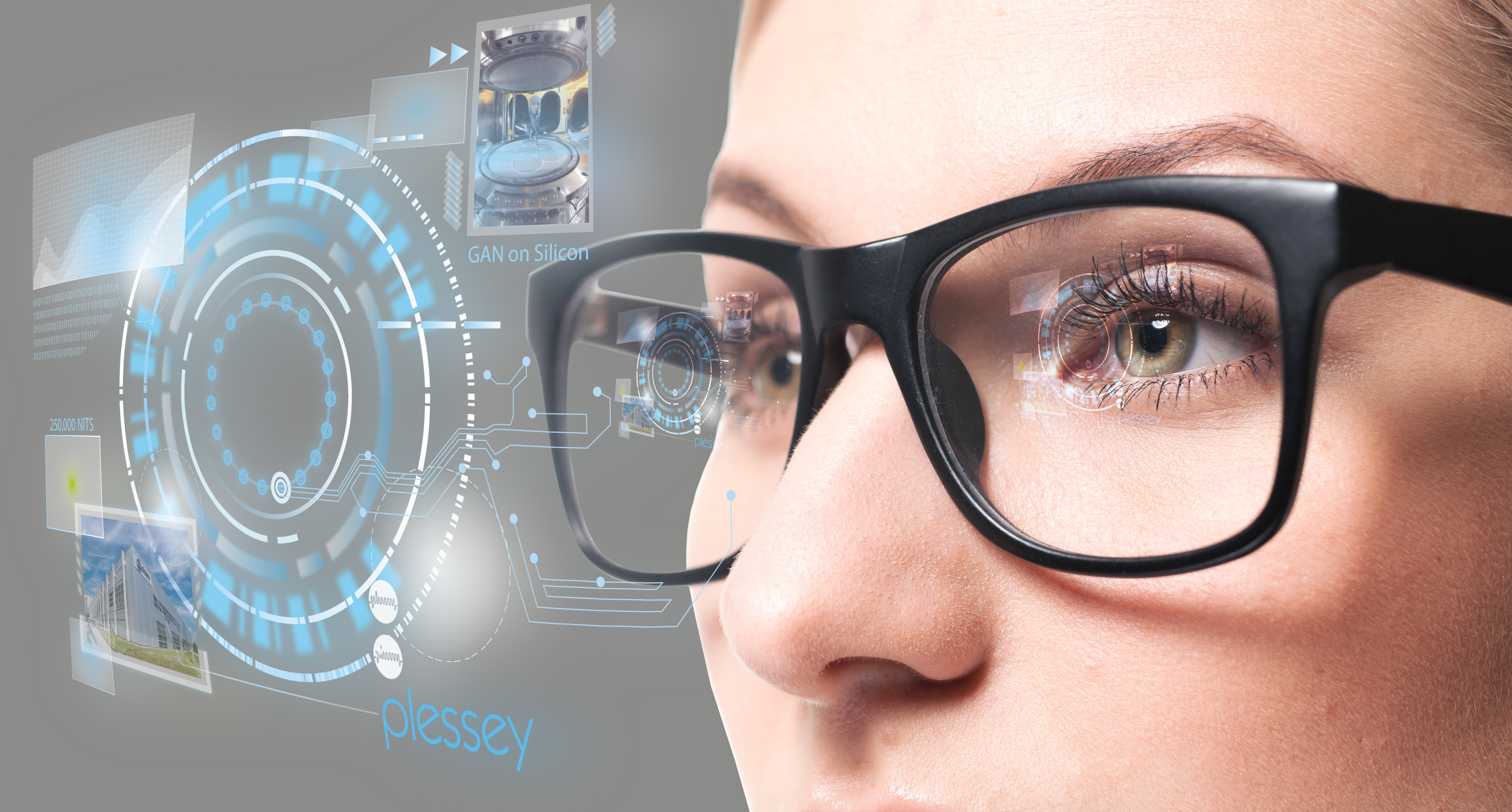
Why Is Proper Frame Fitting Important?
The position of the frame affects how the lenses sit in relation to your eyes.
An unsuitable frame may:
- Slide down
- Press against the nose
- Feel tight around the temples
- Sit unevenly
- Become uncomfortable during prolonged wear
Proper fitting and adjustment can improve both comfort and the positioning of the lenses.
Children's Spectacles in Thiruvallur
Children may require spectacles for several reasons, including:
- Myopia
- Hyperopia
- Astigmatism
- Unequal power between the eyes
- Other vision-related conditions
Children's frames should be selected according to:
- Correct size
- Comfortable fit
- Durability
- Secure positioning
- Ease of handling
For children, spectacles should be based on an appropriate eye examination and prescription rather than choosing glasses only from visible symptoms.
Prescription Sunglasses in Thiruvallur
People who require vision correction may also consider prescription sunglasses for outdoor use.
Prescription sunglasses can combine:
- Vision correction
- Tinted lenses
- Outdoor visual comfort
They may be useful for:
- Driving
- Travel
- Outdoor activities
- Bright sunlight
The appropriate lens option depends on the prescription and intended use.
When Should You Consider New Spectacles?
A new pair of spectacles may be appropriate when:
- Your prescription has changed
- Your vision is no longer clear
- Your frame is damaged
- Your lenses are heavily scratched
- Your frame no longer fits comfortably
- Your current glasses are unsuitable for your daily activities
However, a change in vision should not always be treated simply by replacing spectacles.
A fresh eye examination may be necessary to determine the reason for the change.
Why Have an Eye Examination Before Getting New Glasses?
Blurred vision is not always caused by a change in spectacle power.
Changes in vision can sometimes be associated with problems involving the:
- Cornea
- Lens
- Retina
- Optic nerve
- Eye surface
- Eye pressure
An eye examination can help determine whether the problem is refractive or whether further evaluation is needed.
Optical Care for Different Lifestyles
The right spectacles can vary according to how you use your eyes every day.
For Students
Comfortable everyday spectacles with an appropriate prescription can support clear vision for studying, classroom activities and outdoor use.
For Office Professionals
People who spend long hours working at computers may require a prescription suited to their working distance.
For Older Adults
People who need both distance and near correction may consider bifocal or progressive lenses depending on their visual requirements.
For Children
Children generally need lightweight, appropriately sized and securely fitting frames.
For Outdoor Use
People who spend significant time outdoors may consider prescription sunglasses or suitable tinted lenses.
Optical Services After an Eye Examination
An optical service can help turn an updated eye prescription into a practical pair of spectacles.
The process may involve:
Eye examination
Prescription
Frame selection
Lens selection
Measurements
Spectacle preparation
Fitting and adjustment
This approach helps ensure that the final spectacles are selected according to both visual requirements and everyday use.
Opticals in Thiruvallur at Deepam Eye Hospital
For patients searching for opticals in Thiruvalluroptician in Thiruvallur, spectacles in Thiruvallur or prescription glasses in Thiruvallur, choosing the right eyewear should begin with understanding the current vision requirement.
Patients can discuss their spectacle requirements following an appropriate eye examination and select frames and lenses according to their prescription, comfort and daily visual needs.
Choosing the Right Lens Material
The material of a spectacle lens can affect its weight, thickness, durability and optical performance.
Depending on the prescription and intended use, different lens materials may be considered.
Factors that can influence the choice include:
- Spectacle power
- Lens thickness
- Frame size
- Weight preference
- Daily usage
- Safety requirements
- Age of the wearer
A higher prescription may require a thinner lens material, while children or people with active lifestyles may benefit from more impact-resistant options.
High-Index Lenses for Higher Prescriptions
People with higher spectacle powers may prefer high-index lenses, which can provide a thinner profile than some conventional lens materials for the same prescription.
They can be useful when:
- The prescription is relatively high
- Lens thickness is a concern
- A lighter or slimmer appearance is preferred
- The selected frame would otherwise make the lenses appear thicker
The appropriate material should be selected according to the prescription and frame design.
What Is an Anti-Reflective Coating?
An anti-reflective coating is applied to the lens surface to reduce reflections.
It can be useful for people who:
- Use digital screens frequently
- Drive at night
- Work under artificial lighting
- Want clearer-looking lenses
- Prefer reduced surface reflections in photographs or video calls
The benefits of a coating depend on the lens design and the individual's visual requirements.
Does Anti-Reflective Coating Prevent Eye Strain?
Not necessarily.
An anti-reflective coating can reduce reflections from the lens surface, but eye strain can have several causes.
Discomfort during screen use may also be related to:
- Uncorrected refractive error
- Dry eyes
- Prolonged near work
- Inadequate lighting
- Poor viewing distance
- Reduced blinking
If eye strain persists, an eye examination may be appropriate.
Why Is Scratch Resistance Useful?
Spectacle lenses are exposed to regular handling and environmental dust.
A scratch-resistant coating can help improve the durability of the lens surface, although no spectacle lens is completely scratch-proof.
To protect your lenses:
- Store glasses in a protective case
- Avoid placing lenses face-down
- Use appropriate lens-cleaning material
- Avoid cleaning lenses with rough clothing
- Keep spectacles away from abrasive surfaces
Are Blue-Light Lenses Necessary for Everyone?
No.
Blue-light filtering lenses are marketed for people who spend significant time using digital devices, but not every screen user needs a special blue-light lens.
For comfortable computer use, factors such as:
- Correct prescription
- Viewing distance
- Screen position
- Lighting
- Blink frequency
- Breaks during prolonged work
can also be important.
If digital-device use causes persistent discomfort or blurred vision, an eye examination can help identify the underlying cause.
What Are Photochromic Lenses?
Photochromic lenses are designed to become darker when exposed to suitable levels of ultraviolet light and return toward a clearer state when the exposure decreases.
They can be convenient for people who frequently move between indoor and outdoor environments.
They may be useful for:
- Everyday wear
- Outdoor activities
- Travel
- People who prefer not to carry separate glasses
The performance of photochromic lenses can vary depending on environmental conditions and the lens design.
Tinted and Prescription Sunglass Lenses
Tinted lenses can reduce the amount of visible light reaching the eyes and may improve comfort in bright outdoor conditions. They can be considered by people who require their prescription while spending time outdoors.
Prescription sunglasses combine:
Vision correction + Tinted lens + Outdoor use
The tint should be selected according to the intended use rather than simply choosing the darkest available lens.
Frame Materials for Spectacles
Metal Frames
Metal frames are available in a range of designs and can provide a relatively slim appearance.
They may be suitable for people who prefer:
- Lightweight designs
- Minimal frame profiles
- Adjustable nose-pad styles
- Traditional or professional appearances
The suitability depends on the individual's face shape, comfort and frame preference.

Plastic Frames
Plastic frames are available in many shapes, sizes and designs.
They can offer:
- Different colour choices
- Various frame shapes
- Comfortable designs
- Options for children and adults
The frame should still be selected according to size and fit rather than appearance alone.
Flexible Frames for Children
Children can be harder on their spectacles because of school activities, sports and everyday handling.
When selecting children's frames, consider:
- Proper frame size
- Comfortable bridge
- Secure temples
- Lightweight construction
- Durability
- Ease of adjustment
A frame should fit securely without putting excessive pressure on the child's nose or ears.
Why Are Pupillary Measurements Important?
The position of the pupils relative to the spectacle lenses is important when preparing prescription glasses.
Measurements may include:
- Pupillary distance
- Pupillary height
- Frame measurements
- Lens positioning
Accurate measurements become particularly important with progressive lenses and certain higher prescriptions.
Why Is Frame Position Important for Progressive Lenses?
Progressive lenses contain different zones for different viewing distances.
If the frame is poorly positioned or incorrectly measured, adapting to the lenses may become more difficult.
Proper fitting therefore involves more than simply choosing the correct frame size.
What Does a Spectacle Adjustment Involve?
Once the spectacles are prepared, the frame may need adjustment to ensure a comfortable fit.
Adjustments can address:
- Frame slipping
- Uneven temples
- Nose-pad positioning
- Pressure behind the ears
- Frame alignment
Small adjustments can make a noticeable difference to everyday comfort.
How Often Should Spectacles Be Adjusted?
There is no fixed schedule.
An adjustment may be useful whenever:
- The glasses begin slipping
- One side sits higher than the other
- The frame becomes uncomfortable
- The temples feel too tight
- The frame becomes distorted
Patients should avoid attempting major frame adjustments themselves, particularly with delicate frames.
How Should You Clean Your Spectacle Lenses?
For routine cleaning:
- Rinse the lenses when appropriate to remove loose particles.
- Use a suitable lens-cleaning solution.
- Gently clean with a clean microfiber cloth.
- Allow the lenses to dry or gently wipe them as recommended.
Avoid using abrasive materials or household cleaning products that may damage lens coatings.
Why Should You Use a Spectacle Case?
A protective case can reduce the risk of:
- Scratches
- Frame damage
- Accidental pressure
- Dust accumulation
When not wearing your spectacles, storing them in a suitable case is preferable to placing them loose in a bag or on a table.
When Should Spectacle Lenses Be Replaced?
Lens replacement may be considered when:
- Lenses are heavily scratched
- The prescription has changed
- Coatings are significantly damaged
- Vision is affected by lens deterioration
- The frame has been changed
- The current lenses no longer suit the user's visual requirements
A professional assessment can help determine whether only the lenses need replacing or whether a complete new pair is more appropriate.
How Should Parents Choose Children's Spectacles?
Parents should consider more than appearance when selecting glasses for children.
Important factors include:
- Correct prescription
- Appropriate frame size
- Comfortable fit
- Durability
- Secure positioning
- Child's ability to wear and handle the spectacles
A child who repeatedly removes the spectacles may be experiencing discomfort or poor fit, so the frame should be checked.
What If a Child Frequently Breaks Their Spectacles?
Repeated frame damage may occur because of:
- Poor storage
- Incorrect handling
- Active play
- Sports activities
- An unsuitable frame
A more durable frame may be considered after discussing the child's daily activities and requirements.
Spectacles for Seniors
Older adults may have more than one visual requirement, such as distance and near correction.
Depending on their needs, they may consider:
- Separate distance and reading glasses
- Bifocals
- Progressive lenses
Frame weight and comfort can also become important considerations for prolonged wear.
Any new or unexplained vision change in an older adult should be evaluated rather than automatically attributed to an outdated spectacle prescription.
Spectacles for Driving
People who drive regularly should have an appropriate distance prescription and comfortable visual clarity.
Some drivers may also benefit from discussing:
- Glare
- Night driving
- Anti-reflective coatings
- Prescription sunglasses for daytime driving
If night vision suddenly deteriorates or becomes significantly blurred, an eye examination should be considered.
When Should You Visit an Optician in Thiruvallur?
An optical consultation can be useful when you need:
- New prescription spectacles
- A different frame
- Replacement lenses
- Progressive glasses
- Children's spectacles
- Computer-use glasses
- Prescription sunglasses
- Frame adjustment
- Lens replacement
If there is a significant or unexplained change in vision, an eye examination should come before simply selecting new spectacles.
Patients looking for an optician in Thiruvallur may benefit from an optical service that combines appropriate prescription information with suitable frame and lens selection.
At Deepam Eye Hospital, Thiruvallur, patients can discuss their spectacle requirements and choose eyewear according to their prescription, comfort and daily activities.
How to Choose the Right Optical Service
Choosing spectacles involves more than selecting a frame and lens based on appearance.
A suitable pair should take into account:
- Current prescription
- Age
- Daily activities
- Working distance
- Frame fit
- Lens requirements
- Outdoor exposure
- Comfort
- Budget
Someone who spends most of the day at a computer may have different requirements from someone who mainly needs distance glasses or reading spectacles.
Which Spectacles Are Right for You?
| Vision Requirement | Common Eyewear Option | Suitable For | Important Consideration |
|---|---|---|---|
| Distance correction | Single-vision spectacles | Myopia or distance prescription | Accurate distance prescription |
| Near correction | Reading glasses | Close-up activities | Near prescription should be appropriate |
| Distance + near | Progressive lenses | People needing multiple viewing ranges | Accurate measurements and fitting |
| Distance + near with visible segments | Bifocal lenses | Selected users | Requires adaptation to two viewing zones |
| Computer-related visual needs | Computer-use spectacles | Specific working distances | Prescription should match working distance |
| Outdoor vision correction | Prescription sunglasses | People requiring correction outdoors | Lens tint and prescription both matter |
| Children's vision correction | Children's spectacles | Children requiring prescribed correction | Fit, comfort and durability are important |
The most appropriate eyewear depends on the individual's prescription and visual requirements.
Choosing Eyewear for Different Daily Activities
Spectacles for Office Work
Office workers who spend several hours looking at screens may need to consider their working distance.
Depending on the prescription, options can include:
- Regular distance spectacles
- Computer-use glasses
- Intermediate-vision correction
- Progressive lenses
The right choice depends on how far the screen is positioned and whether the wearer also needs clear distance or near vision.
Spectacles for Students
Students may use spectacles for:
- Classroom viewing
- Reading
- Studying
- Computer use
- Outdoor activities
The frame should be comfortable enough for extended wear and secure enough for regular movement.
Parents should also ensure that children attend their recommended eye examinations and wear the prescribed correction consistently.
Spectacles for Outdoor Activities
People who spend significant time outdoors may prefer eyewear that provides appropriate vision correction while reducing discomfort from bright light.
Options may include:
- Prescription sunglasses
- Photochromic lenses
- Tinted prescription lenses
The choice depends on the activity and the amount of outdoor exposure.
How Important Is Lens Quality?
The lens is responsible for providing the prescribed optical correction, so lens quality and accurate preparation are important.
Patients can consider:
- Optical clarity
- Lens material
- Thickness
- Coating options
- Scratch resistance
- Intended use
A suitable lens should be selected based on the prescription and how the spectacles will be used.
How Important Is the Frame Size?
Frame size can affect both comfort and lens positioning.
A frame that is too large may:
- Slide down
- Affect lens positioning
- Feel unstable
A frame that is too small may:
- Press against the temples
- Cause discomfort
- Sit too close to the face
The frame should therefore be selected according to facial dimensions and the required lens design.
Can the Same Glasses Be Used for Everything?
Sometimes, but not always.
A single pair may be sufficient for a person whose prescription suits general daily use.
However, separate spectacles may be useful for people with specific requirements such as:
- Computer work
- Reading
- Driving
- Outdoor activities
- Occupational visual tasks
The need for multiple pairs depends on the individual's visual demands.
When Are Progressive Lenses a Practical Option?
Progressive lenses may be useful for people who need correction across different viewing distances but prefer to use one pair of glasses.
They can provide areas for:
Distance
Intermediate
Near
However, adaptation varies between individuals.
Correct frame selection, measurements and fitting are particularly important with progressive lenses.
When Are Separate Reading Glasses More Practical?
Separate reading glasses can be useful when a person:
- Has clear distance vision
- Mainly needs correction for close work
- Prefers a simple near-vision solution
- Does not want progressive lenses
They may be convenient for reading, mobile-phone use and other close-up activities.
Optical Solutions for People Who Wear Glasses for Long Hours
Long-duration spectacle wear makes comfort particularly important.
Consider:
- Lightweight frame options
- Correct frame width
- Comfortable bridge fit
- Appropriate lens thickness
- Suitable lens coatings
- Proper temple adjustment
A well-fitted pair should remain comfortable without creating excessive pressure on the nose or behind the ears.
When Should You Recheck Your Spectacle Prescription?
There is no single replacement interval that applies to everyone.
A new eye examination may be appropriate when:
- Vision becomes less clear
- You are squinting more often
- Reading becomes difficult
- You develop frequent eye strain
- Your glasses no longer feel adequate
- Your existing prescription is old
- Your doctor has advised regular review
People with known eye conditions may require examinations at intervals determined by their ophthalmologist.
Are Optical Services a Substitute for an Eye Examination?
No.
An optical service can prepare and fit spectacles, but an optical shop should not be considered a substitute for an ophthalmic examination when symptoms or eye-health concerns are present.
A comprehensive eye examination may be important when there is:
- Sudden blurred vision
- Eye pain
- Flashes or new floaters
- Redness
- Double vision
- Significant changes in vision
These symptoms may require medical evaluation rather than simply a new pair of glasses.
Why Combine Eye Care With Optical Support?
When a current eye prescription is available, optical support can help patients move from clinical assessment to practical vision correction.
The process can involve:
Vision Concern
Eye examination
Prescription
Lens selection
IOL Planning
Frame selection
Measurements
Spectacle preparation
Fitting
Follow-up if required
This creates a more structured approach to meeting everyday vision needs.
Dr. Vimala
Consultant Ophthalmologist
Dr. Vimala is a Consultant Ophthalmologist with interests in:
Areas of Interest
Patients who require spectacles can first undergo an appropriate eye examination to identify their current refractive requirement and check for other eye-health concerns.
The optical prescription can then be used to select suitable lenses and frames based on the patient's visual needs.
Opticals in Thiruvallur
Where can I find an optician in Thiruvallur?
Patients looking for an optician in Thiruvallur can visit an optical service for prescription spectacles, frames, lenses, adjustments and other eyewear requirements.
Where can I get prescription glasses in Thiruvallur?
Prescription glasses can be prepared according to a current eye prescription and fitted with suitable frames and lenses.
Can I get computer glasses in Thiruvallur?
Yes. Computer-use spectacles may be considered when a person's prescription or working distance requires dedicated vision correction.
Where can I get children's spectacles in Thiruvallur?
Children requiring vision correction can have their prescription assessed and then be fitted with appropriately sized and comfortable children's frames.
What type of lenses should I choose?
The choice depends on whether you need distance, near, intermediate or multiple-range vision correction, along with your prescription and daily activities.
Are progressive lenses suitable for everyone?
No. Progressive lenses can be useful for people requiring multiple viewing distances, but comfort and adaptation vary between individuals.
Can I get prescription sunglasses in Thiruvallur?
Yes. Prescription sunglasses can combine vision correction with tinted lenses for outdoor use.
How often should I replace my spectacles?
There is no fixed replacement period. Spectacles may need replacement when the prescription changes, lenses become damaged or the frame no longer fits properly.
Should I get an eye examination before buying new glasses?
If your prescription is unknown, outdated or your vision has changed, an eye examination is advisable before purchasing new spectacles.
Can optical services help with frame adjustment?
Yes. Frame adjustment can address problems such as slipping, uneven positioning or discomfort around the nose and ears.
Frequently Asked Questions
An optician primarily works with spectacles, frames and optical products, including preparing and fitting eyewear. An ophthalmologist is a medical doctor who evaluates and treats eye conditions and can perform eye surgery.
You may be able to, but if the prescription is old or your vision has changed, a new eye examination is preferable before ordering another pair.
High-index lenses may be considered for some higher prescriptions because they can provide a thinner lens profile. The appropriate material depends on the prescription and frame.
Anti-reflective coatings can reduce reflections from the lens surface and may improve visual comfort in certain situations. They are not a treatment for eye disease.
Blue-light filtering lenses should not be promoted as a guaranteed way to prevent eye disease or screen-related discomfort. Correct prescription, appropriate screen habits and regular breaks can also be important.
Children generally need appropriately prescribed lenses and frames that are comfortable, durable and securely fitted.
Some people adapt quickly, while others need more time. Proper prescription, measurements and frame fitting can help with adaptation.
Minor surface damage cannot generally be removed simply by cleaning. Severely scratched lenses may need replacement.
This depends on your prescription and visual requirements. Some people may need different correction for specific working distances.
If vision remains blurred after allowing an appropriate adjustment period, the spectacles should be checked for prescription accuracy, lens positioning and frame fitting. Persistent or unexplained symptoms may require an eye examination.
Opticals in Thiruvallur at Deepam Eye Hospital
For patients searching for opticals in Thiruvallur, optician in Thiruvallur, optical shop in Thiruvallur, spectacles in Thiruvallur or prescription glasses in Thiruvallur, choosing eyewear based on an appropriate prescription and individual visual needs can make everyday vision correction more comfortable.
Deepam Eye Hospital's Thiruvallur location is:
No. 77/1, C.V. Naidu Salai, Thiruvallur.
Patients can discuss their eyewear requirements and choose suitable frames and lenses based on their prescription, lifestyle and comfort.
Visit Deepam Eye Hospital in Thiruvallur for eye evaluation and eyewear guidance suited to your vision requirements.
Contact UsMedical Disclaimer
This page is intended for general educational purposes and does not replace an eye examination or medical advice. Spectacle requirements vary between individuals. If you experience sudden vision loss, eye pain, flashes, new floaters, double vision or another significant change in vision, seek prompt ophthalmic assessment rather than relying only on a new pair of spectacles.
