- For appointment (+91) 97906 97907
Diabetic Retinopathy Treatment in Urapakkam
Deepam Eye Hospital in Urapakkam provides eye care for patients seeking evaluation and treatment for diabetic retinopathy and other diabetes-related eye concerns. Diabetic retinopathy affects the retina, the light-sensitive tissue at the back of the eye, and may develop gradually in people living with diabetes.
Because diabetic retinal changes can occur before noticeable vision problems appear, regular eye evaluation is an important part of diabetes-related eye care. Patients can undergo an appropriate retinal assessment to understand whether diabetic retinopathy is present and whether monitoring or treatment may be required.
Diabetic retinopathy treatment in Urapakkam depends on the stage and severity of the retinal disease, its impact on vision, and whether complications such as diabetic macular edema or abnormal retinal blood vessels are present. Treatment decisions are based on a comprehensive eye examination and the patient's individual condition.
If you are looking for a diabetic eye hospital in Urapakkam or diabetic retinopathy specialist in Urapakkam, a professional retinal evaluation can help determine the appropriate next step.

What Is Diabetic Retinopathy?
Diabetic retinopathy is a diabetes-related eye condition that affects the retina and its blood vessels.
The retina is the light-sensitive tissue positioned at the back of the eye. It receives incoming light and plays a central role in forming the images we see.
Over time, diabetes can affect the small blood vessels supplying the retina. These changes can interfere with the normal functioning of retinal tissue and, when the condition becomes advanced, may threaten vision.
The condition can vary considerably between patients. Some people may have early retinal changes with no noticeable symptoms, while others can develop more advanced disease requiring active treatment.
Why Does Diabetes Affect the Retina?
The retina depends on a fine network of small blood vessels to maintain its normal function.
Long-term diabetes can affect these delicate vessels. As retinal blood vessels become damaged, they may develop abnormalities that interfere with the retina.
Depending on the progression of the condition, retinal changes may involve:
- Damage to small blood vessels
- Leakage of fluid
- Areas of reduced blood supply
- Retinal swelling
- Bleeding
- Abnormal blood vessel growth
- Scar-related changes in advanced disease
These changes can develop gradually, which is why retinal assessment remains important even when a person feels that their eyesight is normal.
Can Diabetic Retinopathy Develop Without Symptoms?
Yes. Diabetic retinopathy may be present before a person notices any significant change in vision.
This is one of the reasons routine diabetic eye examinations are important.
A person may continue normal daily activities while retinal changes are developing in the background. Waiting until vision becomes noticeably blurred may mean that the disease has already progressed.
Regular eye examinations allow the ophthalmologist to assess the retina and determine whether there are changes that require monitoring or treatment.
What Are the Symptoms of Diabetic Retinopathy?
Symptoms can vary depending on the extent of retinal involvement.
Possible symptoms include:
- Blurred vision
- Changes in visual clarity
- Difficulty seeing fine details
- Difficulty reading
- Dark spots or floating shapes
- Increasing visual distortion
- Reduced vision
- Difficulty performing detailed visual tasks
Early diabetic retinopathy may not produce obvious symptoms.
A sudden change in vision, sudden increase in floaters, dark areas in the field of vision or significant loss of sight should be assessed promptly by an eye specialist.
How Can Diabetic Retinopathy Affect Vision?
The effect on vision depends on which parts of the retina are affected and how advanced the retinal changes have become.
Patients may experience difficulty with activities that depend on detailed vision, including:
- Reading
- Recognising faces
- Using digital screens
- Performing close-up work
- Seeing fine details
- Carrying out visually demanding tasks
When the central retina is affected, vision needed for detailed activities can be particularly impacted.
This is why diabetic retina treatment in Urapakkam should be based on an assessment of the retina rather than visual symptoms alone.
What Are the Different Stages of Diabetic Retinopathy?
Diabetic retinopathy is commonly described according to the extent and progression of retinal blood vessel changes.
Non-Proliferative Diabetic Retinopathy
Non-proliferative diabetic retinopathy is an earlier form of diabetic retinal disease.
At this stage, changes can occur within the small retinal blood vessels. The severity can vary, and some patients may not experience noticeable visual symptoms.
Depending on the retinal findings, the ophthalmologist may recommend regular monitoring and management of relevant health factors.
Proliferative Diabetic Retinopathy
Proliferative diabetic retinopathy represents a more advanced form of retinal disease.
In this stage, abnormal blood vessels can develop within the retina. Because these vessels can be fragile, they may bleed and contribute to complications that can threaten vision.
Patients with advanced disease may require active retinal treatment depending on the examination findings.
What Is Diabetic Macular Edema?
Diabetic macular edema occurs when fluid accumulates in the macula, the central region of the retina responsible for detailed vision.
When the macula becomes swollen, a patient may experience changes in central vision.
Possible difficulties include:
- Blurred central vision
- Difficulty reading
- Reduced ability to see fine details
- Difficulty recognising faces
- Reduced visual sharpness
Diabetic macular edema can occur in association with diabetic retinopathy and requires appropriate retinal evaluation.
Can Diabetes Cause Other Eye Conditions?
Diabetes can affect eye health in more than one way.
People with diabetes may also have an increased risk of conditions such as:
- Cataract
- Glaucoma
- Diabetic macular edema
- Other retinal disorders
Therefore, a diabetic eye checkup in Urapakkam should consider the overall condition of the patient's eyes rather than focusing on one symptom alone.
A comprehensive examination can help identify whether other eye problems may also be affecting vision.
Who Can Develop Diabetic Retinopathy?
Anyone living with diabetes can develop diabetic retinopathy.
The likelihood and progression of diabetic eye disease can be influenced by factors such as:
- Duration of diabetes
- Blood glucose management
- Blood pressure
- Cholesterol and vascular health
- Pregnancy in people with diabetes
- Existing retinal disease
Having good vision does not necessarily mean that the retina is free from diabetes-related changes.
Why Is Diabetic Eye Screening Important?
Diabetic eye screening helps identify retinal changes that may not yet be producing noticeable vision problems.
A retinal examination allows the ophthalmologist to assess the condition of the retina and determine whether the patient needs:
- Routine monitoring
- More frequent examinations
- Additional retinal testing
- Active treatment
- Further evaluation of the macula
The appropriate follow-up schedule depends on the individual's retinal findings and overall clinical condition.
For patients searching for diabetic retinopathy screening in Urapakkam, regular retinal evaluation can be an important component of diabetes-related eye care.
How Is Diabetic Retinopathy Evaluated?
Evaluation begins with an eye examination in which the ophthalmologist assesses the retina for diabetes-related changes.
Depending on the patient's symptoms and clinical findings, the evaluation may include examination of the retina after pupil dilation and additional retinal investigations where necessary.
These assessments can help the ophthalmologist understand:
- The extent of retinal changes
- Whether the macula is affected
- Whether abnormal blood vessels are present
- Whether there is retinal swelling or bleeding
- Whether further monitoring or treatment is needed
The tests required can vary from patient to patient.
Why Should Diabetic Patients Have Their Eyes Checked Even Without Vision Problems?
Diabetic retinopathy can progress without producing obvious symptoms in its earlier stages.
For this reason, normal-looking vision should not be considered proof that the retina is healthy.
Regular eye examinations allow changes to be identified and monitored before they become more advanced.
Patients should follow the eye examination schedule recommended by their healthcare and eye-care professionals according to their individual diabetes and retinal status.
How Does Diabetes Management Relate to Retinal Health?
Managing diabetes is an important part of overall diabetic eye care.
Patients should follow the treatment plan provided by their physician and work with their healthcare team to manage relevant factors such as:
- Blood glucose
- Blood pressure
- Cholesterol
- Prescribed medications
- Overall diabetes management
However, diabetes management does not replace retinal examinations. A person can follow their diabetes treatment plan and still require regular eye assessments to monitor the retina.
When Should You Seek Diabetic Retinopathy Care?
People with diabetes should seek professional eye assessment when they notice changes in their vision or when an eye examination is due according to their healthcare plan.
Prompt assessment is particularly important when there is:
- Sudden reduction in vision
- Sudden increase in floaters
- New dark spots or shadows
- Sudden difficulty reading
- New distortion of central vision
- Other unexplained changes in eyesight
Early professional assessment can help determine whether the symptoms are related to diabetic retinopathy or another eye condition.
Does Every Patient With Diabetic Retinopathy Need Immediate Treatment?
No. The need for active treatment depends on the stage of diabetic retinopathy and the presence of complications.
Some patients may have retinal changes that require observation and scheduled follow-up.
Others may develop retinal findings that require active treatment.
Treatment decisions are therefore not based solely on whether diabetic retinopathy is present. The ophthalmologist also considers the extent of retinal disease, visual impact and associated complications.
Diabetic Retinopathy Treatment in Urapakkam: Why Evaluation Comes First
If you are looking for diabetic retinopathy treatment in Urapakkam, an appropriate retinal evaluation is the starting point.
From Diabetes History to Follow-Up
Diabetes History
Retinal Examination
Assessment of Retinal Changes
Stage and Severity Evaluation
Treatment or Monitoring Plan
Follow-Up
Not every patient follows the same pathway.
Some may require periodic observation, while others may need active retinal treatment based on their examination findings.
Diabetic Retinopathy Care at Deepam Eye Hospital, Urapakkam
Deepam Eye Hospital provides Diabetic Retinopathy as part of its eye-care services. Patients in and around Urapakkam can seek an eye evaluation when they have diabetes-related vision concerns or require retinal assessment.
A professional consultation can help determine the condition of the retina and whether further testing, monitoring or treatment should be considered.
If you are searching for diabetic retinopathy hospital in Urapakkam, diabetic eye treatment in Urapakkam, or diabetic retina treatment in Urapakkam, the appropriate first step is an individual eye evaluation.
How Is Diabetic Retinopathy Treatment Planned?
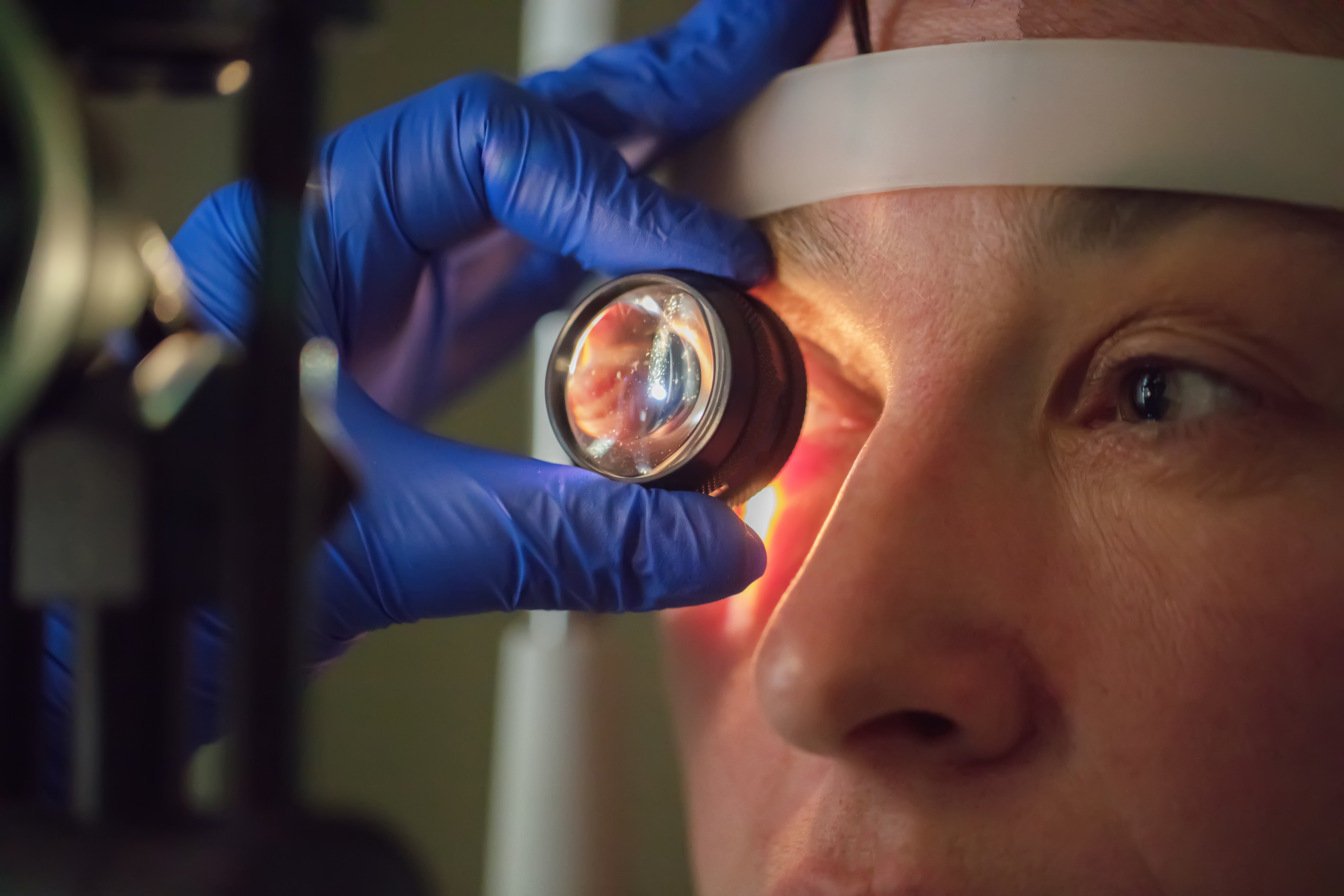
The treatment approach for diabetic retinopathy is determined by the condition of the retina rather than by the diagnosis alone. Some patients may need observation and regular retinal monitoring, while others may require active treatment because of advanced retinal changes or vision-threatening complications.
Before recommending treatment, the ophthalmologist considers:
- Stage and severity of diabetic retinopathy
- Effect on vision
- Condition of the macula
- Presence of abnormal retinal blood vessels
- Retinal swelling or bleeding
- Overall eye health
- Previous eye treatment
- Relevant medical history
This individualised assessment helps determine whether monitoring, injections, laser treatment, surgery or a combination of approaches may be appropriate.
What Treatments Are Available for Diabetic Retinopathy?
Diabetic retinopathy treatment can include monitoring, eye injections, laser procedures and retinal surgery in selected cases.
The treatment chosen depends on the retinal findings and whether complications are affecting vision.
Possible approaches include:
- Regular retinal monitoring
- Intravitreal medication injections
- Laser photocoagulation
- Vitrectomy surgery
- Treatment directed at diabetic macular edema
- Management of associated health factors
Not every patient requires all of these treatments.
When Is Monitoring Appropriate?
Some patients may have diabetic retinal changes that do not currently require an immediate procedure.
In such situations, the ophthalmologist may recommend regular examinations to monitor whether the condition remains stable or progresses.
Monitoring may involve:
- Scheduled retinal examinations
- Vision assessment
- Retinal imaging when required
- Assessment of the macula
- Review of previous findings
- Adjustment of follow-up intervals according to disease status
Regular monitoring should not be viewed as ignoring the condition. It allows changes to be identified so that treatment can be considered if the retinal disease progresses.
What Are Anti-VEGF Eye Injections?
Anti-VEGF medicines are injectable treatments that may be used for certain retinal conditions associated with abnormal blood vessel activity or diabetic macular edema.
VEGF is a substance involved in the development and leakage of abnormal blood vessels. Medicines that act against VEGF may help reduce abnormal vascular activity and retinal fluid in appropriate cases.
These medicines are delivered into the eye by an ophthalmologist using a sterile technique.
The need for injections, the medicine selected and the number or frequency of treatments depend on the patient's retinal findings and response to treatment.
When May Eye Injections Be Recommended?
Eye injections may be considered when diabetic retinopathy is associated with retinal changes that are suitable for injection-based treatment.
They may be used in selected patients with conditions such as:
- Diabetic macular edema
- Certain forms of proliferative diabetic retinopathy
- Abnormal retinal blood vessel activity
The decision is made after examining the retina and determining whether injection treatment is appropriate.
A patient should not assume that injections are necessary simply because diabetic retinopathy has been diagnosed.
What Happens During an Eye Injection Treatment?
Before an intravitreal injection, the eye is prepared using appropriate antiseptic measures and local anaesthesia.
The medicine is then administered into the vitreous cavity of the eye using a fine needle.
The procedure is generally brief, but the exact experience can vary between patients.
After the injection, the ophthalmologist may provide specific instructions regarding eye care and follow-up.
Patients should report unusual or worsening symptoms after treatment rather than ignoring them.
What Is Laser Treatment for Diabetic Retinopathy?
Laser treatment uses focused laser energy to treat selected areas of the retina affected by diabetic disease.
Laser therapy can be used in appropriate cases to reduce the risk of complications from abnormal retinal blood vessels or treat specific retinal abnormalities.
The treatment area and technique depend on the patient's retinal condition.
Laser treatment is not appropriate for every patient with diabetic retinopathy, so the ophthalmologist first determines whether the retinal findings support its use.
When May Laser Treatment Be Considered?
Laser treatment may be considered for selected forms of diabetic retinal disease, particularly when abnormal blood vessel growth or other retinal changes create a risk to vision.
The decision can depend on:
- Stage of diabetic retinopathy
- Location of retinal changes
- Presence of abnormal blood vessels
- Associated retinal complications
- Previous treatment
- Overall retinal condition
The ophthalmologist can explain the purpose of laser treatment and why it may or may not be appropriate for an individual patient.
What Is Vitrectomy Surgery?
Vitrectomy is a retinal surgical procedure in which the vitreous gel inside the eye is removed or addressed to manage certain serious retinal problems.
In diabetic eye disease, vitrectomy may be considered in selected advanced situations, such as significant bleeding inside the eye or traction affecting the retina.
It is not a routine treatment for every patient with diabetic retinopathy.
The need for surgery depends on the nature and severity of the retinal complication.
When May Vitrectomy Be Required?
A retinal surgeon may consider vitrectomy when advanced diabetic retinal disease produces complications that cannot be appropriately managed through observation, injections or laser treatment alone.
Possible situations can include:
- Significant vitreous bleeding
- Persistent blood obscuring vision
- Traction affecting the retina
- Certain forms of retinal detachment associated with diabetic disease
- Other advanced retinal complications
The exact indication must be established through retinal examination and appropriate imaging or investigations.
How Is Diabetic Macular Edema Treated?
Treatment for diabetic macular edema depends on the extent of swelling, its effect on vision and the patient's retinal findings.
Depending on the clinical situation, management may include:
- Intravitreal medication
- Laser treatment in selected cases
- Monitoring in appropriate situations
- Management of associated diabetic and vascular risk factors
The ophthalmologist determines the appropriate approach after assessing the macula and surrounding retina.
Does Controlling Diabetes Replace Eye Treatment?
No. Diabetes management and eye treatment have different but complementary roles.
Maintaining appropriate blood glucose, blood pressure and other relevant health factors is an important part of managing diabetes.
However, retinal changes may still require specific eye treatment when they become clinically significant.
Patients should therefore continue their medical diabetes care while also following the retinal treatment and follow-up plan recommended by their ophthalmologist.
What Happens After Diabetic Retinopathy Treatment?
Post-treatment care depends on the procedure performed and the patient's retinal condition.
After treatment, the ophthalmologist may monitor:
- Visual changes
- Retinal condition
- Macular status
- Response to treatment
- Progression or stability of diabetic retinopathy
- Potential treatment-related complications
Some treatments may require more than one session or repeated assessment.
Patients should attend follow-up appointments even if their vision appears to have improved.
Why Is Follow-Up Important?
Diabetic retinopathy can change over time, and treatment does not necessarily eliminate the need for future retinal monitoring.
Follow-up allows the ophthalmologist to determine:
- Whether the retina is responding to treatment
- Whether additional treatment is needed
- Whether diabetic macular edema has changed
- Whether abnormal blood vessels remain active
- Whether new retinal complications have developed
The interval between appointments depends on the severity of the condition and the treatment provided.
What Should You Expect After Retinal Injections?
Following an eye injection, some temporary irritation or mild discomfort may occur.
Patients should follow the instructions given by their ophthalmologist and monitor the treated eye.
Increasing pain, marked redness, significant reduction in vision or other unusual symptoms should be reported promptly.
The treating ophthalmologist can explain which symptoms are expected and which require assessment.
What Should You Expect After Laser Treatment?
The visual experience following retinal laser treatment can vary according to the area treated and the underlying retinal condition.
Patients may receive specific instructions about:
- Follow-up appointments
- Medication or eye drops where prescribed
- Activity restrictions when necessary
- Monitoring changes in vision
Laser treatment does not eliminate the need for continued diabetic eye monitoring.
What Happens After Vitrectomy?
Recovery after retinal surgery varies according to the underlying problem and the surgical procedure performed.
Postoperative care may include:
- Prescribed medicines
- Eye protection
- Follow-up examinations
- Activity restrictions
- Monitoring of retinal healing
- Additional treatment when clinically required
Patients should follow their surgeon's specific postoperative instructions because recovery requirements can differ significantly between retinal procedures.
Can Diabetic Retinopathy Treatment Restore Lost Vision?
The visual outcome depends on the stage of diabetic retinopathy, the structures affected, the treatment provided and the overall health of the eye.
Treatment may aim to control retinal disease, reduce complications and preserve or improve vision where possible.
However, treatment cannot guarantee complete restoration of vision that has already been permanently lost.
A realistic expectation should be discussed with the treating ophthalmologist after the retinal examination.
Can Diabetic Retinopathy Return After Treatment?
Diabetic retinopathy can remain a long-term condition requiring continued observation even after treatment.
Retinal changes may develop again or progress if the underlying disease remains active.
For this reason, completing the recommended follow-up schedule is important.
Patients should not assume that completing an injection, laser session or retinal surgery means that further eye examinations are no longer necessary.
When Should You Seek Urgent Eye Assessment?
Patients undergoing treatment for diabetic retinal disease should seek prompt medical attention if they experience significant or sudden changes in vision.
Important warning symptoms can include:
- Sudden loss of vision
- Sudden increase in floaters
- New dark shadows in the visual field
- Significant eye pain
- Increasing redness
- Sudden deterioration in visual clarity
- Other unexpected changes following treatment
Prompt evaluation can help determine whether the symptoms are related to diabetic retinopathy or another eye problem.
Diabetic Retinopathy Treatment in Urapakkam: From Diagnosis to Follow-Up
The treatment journey can vary significantly between patients.
A typical pathway may involve:
Retinal assessment → Disease staging → Treatment decision → Procedure when indicated → Response assessment → Ongoing follow-up
For some patients, monitoring may be appropriate. Others may require injections, laser treatment or retinal surgery.
The purpose of treatment planning is to match the intervention to the patient's specific retinal condition rather than using the same treatment for every person with diabetes.
Choosing Diabetic Retinopathy Care in Urapakkam
Patients searching for a diabetic retinopathy hospital in Urapakkam should consider whether they can receive appropriate retinal evaluation, understand their diagnosis and receive a treatment plan suited to their condition.
During a consultation, patients can discuss:
- The current stage of retinal disease
- Whether the macula is affected
- Available treatment options
- Expected monitoring
- Potential risks
- Follow-up requirements
- Symptoms that require prompt attention
A clear discussion can help patients understand what their treatment involves before proceeding.
Diabetic Eye Care at Deepam Eye Hospital, Urapakkam
For patients looking for diabetic retinopathy treatment in Urapakkam, choosing the right starting point is important. Diabetic eye disease can range from early retinal changes that require observation to advanced conditions that may need active retinal treatment.
Deepam Eye Hospital in Urapakkam provides Diabetic Retinopathy care as part of its eye-care services. Patients can seek an eye evaluation to understand the condition of their retina and discuss the appropriate management based on their individual clinical findings.
The purpose of an evaluation is not simply to determine whether diabetic retinopathy is present. It also helps establish the extent of retinal involvement and whether the patient requires monitoring, further testing or active treatment.
Diabetic Retinopathy Hospital in Urapakkam
A diabetic retinopathy hospital in Urapakkam should provide patients with an opportunity to understand their retinal condition before proceeding with treatment.
During a consultation, patients may discuss:
- Their diabetes history
- Current visual concerns
- Previous eye examinations
- Existing eye conditions
- Retinal examination findings
- Available treatment approaches
- Follow-up requirements
The appropriate treatment plan should be determined by the treating ophthalmologist after assessing the patient's eyes.
Diabetic Eye Treatment in Urapakkam
Diabetic eye treatment is not the same for every patient.
Depending on the retinal findings, a patient may need:
- Periodic retinal observation
- Additional retinal investigations
- Medication-based eye treatment
- Laser treatment
- Retinal surgery in selected advanced cases
- Continued monitoring after treatment
The treatment selected depends on the condition of the retina and the presence of complications.
What Should You Discuss During a Diabetic Retina Consultation?
Patients can use their consultation to understand what is happening inside the eye and what the next step involves.
Useful questions include:
- What stage of diabetic retinopathy do I have?
- Is my macula affected?
- Does my condition currently require treatment?
- What treatment options are suitable for my eyes?
- Will I need regular retinal follow-up?
- What changes in vision should I report?
- How frequently should my eyes be examined?
Understanding the diagnosis can help patients participate more confidently in decisions regarding their eye care.
Why Ongoing Retinal Monitoring Matters
Diabetic retinopathy is a condition that can change over time. Completing one examination or treatment does not necessarily mean that future retinal monitoring is no longer required.
Ongoing assessments allow the ophthalmologist to observe changes in the retina and determine whether the current management remains appropriate.
Follow-up may be particularly important for patients who have:
- Established diabetic retinopathy
- Previous retinal treatment
- Diabetic macular edema
- Advanced retinal disease
- Other eye conditions
- Changes in vision
The appropriate follow-up interval should be determined according to the patient's clinical condition.
Diabetic Retinopathy: Treatment Approach
| Retinal Finding | What It Can Mean | Possible Management Approach |
|---|---|---|
| Early diabetic retinal changes | The retina may show diabetes-related changes without significant vision problems | Regular eye monitoring and appropriate diabetes management |
| Retinal changes requiring closer observation | Disease may be progressing or require more frequent assessment | Scheduled retinal examinations and additional testing when needed |
| Diabetic macular edema | Swelling involving the macula may affect detailed central vision | Ophthalmologist may consider appropriate retinal treatment, including injections in suitable cases |
| Advanced diabetic retinopathy | More significant retinal blood-vessel abnormalities may be present | Active treatment such as injections or laser may be considered |
| Advanced retinal complications | Bleeding or traction may threaten retinal function | Retinal surgical assessment, including vitrectomy in selected cases |
Note: The appropriate treatment is determined by the ophthalmologist after examining the retina. Not every patient with diabetic retinopathy requires a procedure.
Dr. Vimala
Consultant Ophthalmologist
Dr. Vimala Karunanithi is a Consultant Ophthalmologist with interests in medical retina and diabetes-related retinal concerns.
Areas of Interest
Patients with diabetes-related retinal concerns can undergo an ophthalmic evaluation to assess retinal health and understand whether monitoring or treatment may be appropriate.
The appropriate management plan depends on the individual's retinal findings, disease stage and clinical condition.
Finding the Right Next Step for Diabetic Retinopathy
A diagnosis of diabetic retinopathy does not automatically mean that every patient requires the same treatment.
The appropriate approach depends on factors such as:
- Retinal disease stage
- Severity of retinal changes
- Macular involvement
- Effect on vision
- Previous treatment
- Overall eye health
- Individual clinical findings
A professional assessment can help patients understand whether they need observation, further testing or active retinal treatment.
For people searching for diabetic retinopathy specialist in Urapakkam, this individualised approach is important when considering treatment.
Quick Answers — Diabetic Retinopathy Treatment in Urapakkam
What is diabetic retinopathy treatment?
Diabetic retinopathy treatment refers to the management of diabetes-related retinal disease. Depending on the condition, it may involve monitoring, injections, laser treatment or retinal surgery in selected cases.
Where can I get diabetic retinopathy treatment in Urapakkam?
Patients searching for diabetic retinopathy treatment in Urapakkam can consult Deepam Eye Hospital for retinal evaluation and discussion of appropriate treatment based on their clinical findings.
Does everyone with diabetic retinopathy need injections?
No. Injections are used only when the retinal condition and clinical findings indicate that this treatment is appropriate.
When is laser treatment used for diabetic retinopathy?
Laser treatment may be considered for selected retinal changes, particularly in certain forms of advanced diabetic retinopathy. The ophthalmologist determines whether laser treatment is suitable after examining the retina.
When might surgery be required?
Retinal surgery may be considered in selected advanced cases where complications such as significant bleeding or traction affecting the retina require surgical management.
Can diabetic retinopathy be treated permanently?
Diabetic retinopathy is a long-term diabetes-related eye condition. Treatment can address specific retinal complications, but continued eye examinations and diabetes management remain important.
Can I have diabetic retinopathy without blurred vision?
Yes. Retinal changes can develop before noticeable visual symptoms occur. Regular diabetic eye examinations are therefore important.
How often should diabetic patients have their eyes examined?
The appropriate examination schedule depends on the individual's diabetes, retinal findings and medical advice. Patients with established retinal disease may require more frequent monitoring.
Can diabetic retinopathy cause vision loss?
Yes. Advanced diabetic retinopathy and associated retinal complications can threaten vision. Early detection and appropriate management are important for protecting retinal health.
Who should I consult for diabetic retinopathy?
An ophthalmologist can evaluate the retina, determine the stage of diabetic retinopathy and advise whether monitoring or treatment is appropriate.
Frequently Asked Questions About Diabetic Retinopathy
Yes. Diabetic retinopathy can affect both eyes, although the severity may not necessarily be identical in each eye.
No. Early retinal changes may occur without noticeable symptoms, so an eye examination is more reliable than using vision alone to assess retinal health.
Diabetic macular edema is swelling involving the macula, the central part of the retina responsible for detailed vision. It can cause changes in central vision.
Good management of diabetes and other relevant health factors, together with regular eye examinations, can help reduce the risk of serious diabetes-related eye complications. Individual medical advice should come from the patient's healthcare team.
A sudden increase in floaters or a significant change in vision should receive prompt eye assessment, particularly in someone with diabetic retinal disease.
Not necessarily. Some early cases may be monitored, while treatment may be recommended if the retinal disease progresses or complications develop.
Diabetic retinal disease can continue to require monitoring after treatment. Further retinal changes may develop over time, so follow-up remains important.
Managing diabetes is an important part of overall care, but established retinal complications may require specific eye treatment. The ophthalmologist determines the appropriate approach based on the retinal findings.
Retinal imaging can provide detailed information about the structure of the retina and may help the ophthalmologist assess changes that are not easily evaluated through symptoms alone.
Patients looking for diabetic eye treatment in Urapakkam can consult Deepam Eye Hospital for an eye evaluation and discussion of appropriate diabetic retinal care.
Book a Diabetic Retinopathy Consultation in Urapakkam
Diabetes-related retinal changes can develop gradually and may not always produce early warning symptoms. If you have diabetes, existing diabetic retinopathy or new changes in vision, an appropriate eye examination can help determine the condition of your retina.
If you are searching for diabetic retinopathy treatment in Urapakkam, diabetic eye treatment in Urapakkam or a diabetic retinopathy hospital in Urapakkam, Deepam Eye Hospital can be considered for professional retinal evaluation and treatment discussion.
Schedule an eye consultation to understand your retinal health and discuss the appropriate next step with the treating eye specialist.
Deepam Eye Hospital, Urapakkam
Contact UsMedical Disclaimer
This page provides general educational information about diabetic retinopathy and its treatment. It does not replace an individual eye examination, diagnosis or medical advice. The need for monitoring, injections, laser treatment, surgery or any other treatment should be determined by the treating ophthalmologist based on the patient's retinal findings and overall clinical condition.
