- For appointment (+91) 97906 97907
LASIK Surgery in Urapakkam
Deepam Eye Hospital in Urapakkam provides eye care for patients exploring LASIK and other options for reducing dependence on spectacles or contact lenses. LASIK is a type of refractive eye surgery designed to change the shape of the cornea so that light can be focused more accurately onto the retina.
LASIK is not automatically suitable for everyone who wants to reduce their dependence on glasses. A detailed eye examination is required to determine whether the cornea, prescription, eye health and other clinical factors are appropriate for the procedure.
For patients searching for LASIK surgery in Urapakkam, the first step is therefore an eligibility assessment rather than choosing surgery based only on the spectacle power.
What Is LASIK?
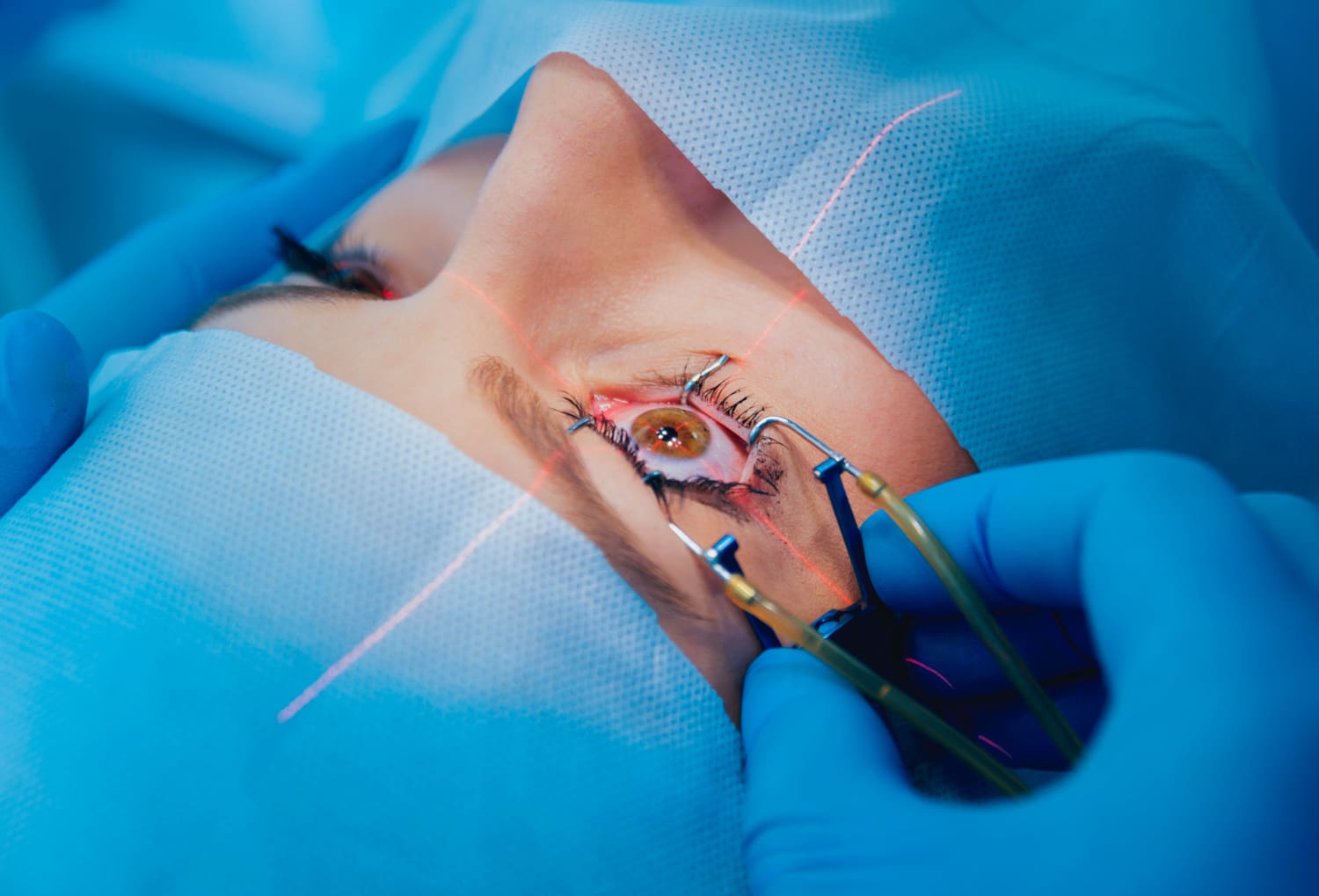
LASIK, or Laser-Assisted In Situ Keratomileusis, is a refractive eye procedure that uses a laser to reshape the cornea and correct certain refractive errors.
The cornea contributes significantly to the focusing power of the eye. If its shape causes incoming light to focus inaccurately, a person may experience blurred vision at different distances.
LASIK changes the corneal shape in a carefully planned manner with the aim of improving the way light is focused.
The procedure is primarily intended for suitable patients with refractive errors such as myopia, hyperopia or astigmatism.
What Are Refractive Errors?
A refractive error occurs when the eye does not focus incoming light precisely onto the retina, resulting in blurred vision.
Common refractive errors include:
- Myopia: Difficulty seeing distant objects clearly
- Hyperopia: Difficulty focusing clearly at certain distances
- Astigmatism: Blurred or distorted vision caused by an irregular focusing shape of the cornea or other optical structures
Spectacles and contact lenses correct these focusing problems externally.
LASIK provides a surgical approach by modifying the shape of the cornea itself in suitable patients.
How Does LASIK Correct Vision?
The cornea is responsible for a significant portion of the eye's focusing power.
During LASIK, the corneal tissue is reshaped according to the patient's refractive error. The objective is to alter the way incoming light passes through the eye so that it can focus more accurately on the retina.
The amount and pattern of corneal reshaping are planned individually.
This means LASIK is not a one-size-fits-all procedure. The treatment plan depends on the patient's prescription and detailed corneal measurements.
What Vision Problems Can LASIK Treat?
LASIK may be considered for suitable patients with certain refractive errors, including:
Myopia
Myopia, commonly known as short-sightedness, causes distant objects to appear blurred while nearer objects may be seen more clearly.
A person with myopia may depend on spectacles or contact lenses for activities such as:
- Driving
- Watching television
- Reading distant signs
- Classroom or workplace activities
- Outdoor activities
LASIK can be considered for appropriate patients after a detailed evaluation.
Hyperopia
Hyperopia, or long-sightedness, can affect the eye's ability to focus clearly, particularly for near tasks in some patients.
Whether LASIK is suitable depends on the individual's prescription, age, corneal characteristics and overall eye health.
Astigmatism
Astigmatism can produce blurred or distorted vision at different distances.
It may occur when the cornea or another optical component of the eye has an irregular focusing shape.
Selected patients with astigmatism may be candidates for refractive laser treatment following appropriate assessment.
Why Do People Consider LASIK?
People consider LASIK for different personal and practical reasons.
Some may want to reduce their dependence on spectacles for:
- Work
- Travel
- Sports
- Outdoor activities
- Social occasions
- Daily routines
Others may find contact lens use inconvenient or experience difficulty maintaining a comfortable contact lens routine.
However, the decision to undergo LASIK should be based on both personal expectations and medical suitability.
Is LASIK Suitable for Everyone?
No. LASIK is not suitable for every person who wants vision correction surgery.
Suitability depends on several factors, including:
- Stability of the spectacle prescription
- Corneal shape
- Corneal thickness
- Overall eye health
- Age
- Dry-eye status
- Existing eye conditions
- Medical history
- Patient expectations
A person may have a suitable spectacle prescription but still not be an appropriate candidate for LASIK because of corneal or other ocular factors.
Why Is a LASIK Eligibility Assessment Important?
A LASIK consultation in Urapakkam should involve more than checking the patient's current spectacle power.
The ophthalmologist needs to evaluate whether the eyes can safely undergo corneal reshaping.
Assessment may consider:
- Current and previous spectacle prescription
- Prescription stability
- Corneal shape
- Corneal thickness
- Tear-film and ocular surface health
- General eye health
- Existing eye conditions
- Individual expectations
The findings help determine whether LASIK is appropriate or whether another vision-correction option should be considered.
What Is Corneal Thickness and Why Does It Matter?
Corneal thickness is one of the factors considered when assessing suitability for LASIK.
LASIK involves controlled reshaping of corneal tissue. Therefore, the ophthalmologist needs to understand the cornea's thickness and structure before determining whether the procedure is appropriate.
A cornea that does not meet the required structural characteristics may make LASIK unsuitable.
This is why a proper LASIK eye surgery in Urapakkam evaluation should include appropriate corneal assessment.
Why Is Corneal Shape Important Before LASIK?
The shape of the cornea provides important information when evaluating a patient for refractive surgery.
An abnormal or irregular corneal shape can affect whether laser vision correction is appropriate.
Corneal mapping or other measurements may be used when clinically indicated to assess the corneal surface and structure.
These findings help the ophthalmologist determine whether the planned corneal reshaping can be performed safely.
What Happens During a LASIK Evaluation?
During a LASIK evaluation, the ophthalmologist reviews the patient's vision history and examines the eyes to determine suitability for refractive surgery.
The assessment may include:
- Vision testing
- Refraction
- Eye pressure assessment
- Corneal measurements
- Corneal shape assessment
- Examination of the ocular surface
- Evaluation of the retina and other eye structures
- Review of medical and eye history
The exact tests depend on the patient's individual circumstances.
Why Does Prescription Stability Matter?
A stable spectacle prescription is an important consideration when assessing a patient for LASIK.
If the refractive power is still changing significantly, the visual result after surgery may not remain stable.
The ophthalmologist therefore reviews the patient's previous prescriptions rather than relying only on the latest eye test.
The required period of prescription stability can vary according to individual circumstances and clinical assessment.
Can People With Dry Eyes Have LASIK?
Dry-eye symptoms are an important consideration before LASIK.
Because LASIK involves the cornea and its nerves, some patients can experience changes in ocular surface sensation and tear-film function following the procedure.
A patient with significant pre-existing dry-eye symptoms may require assessment and management before refractive surgery is considered.
The ophthalmologist can determine whether the ocular surface is sufficiently healthy for LASIK or whether another approach would be more appropriate.
Who May Need an Alternative to LASIK?
Some patients may not be suitable candidates for LASIK because of their corneal characteristics, eye health, prescription or other clinical factors.
Depending on the individual situation, the ophthalmologist may discuss:
- Continuing with spectacles
- Contact lenses
- Other refractive procedures
- Alternative vision correction options
- Treating an underlying eye condition first
- Deferring refractive surgery
Not being suitable for LASIK does not mean that there are no options for vision correction.
Can Existing Eye Conditions Affect LASIK Eligibility?
Yes. Certain eye conditions may affect whether refractive surgery is appropriate.
The ophthalmologist may need to assess or manage conditions involving:
- Cornea
- Ocular surface
- Retina
- Optic nerve
- Eye pressure
- Lens
- General eye health
A complete eye assessment helps identify conditions that could influence the safety or expected outcome of LASIK.
What Are the Main Benefits People Seek From LASIK?
For a suitable patient, LASIK may provide the possibility of reducing dependence on spectacles or contact lenses.
Potential practical benefits can include:
- Greater convenience during daily activities
- Less dependence on spectacles
- Reduced need for contact lenses
- Easier participation in some sports and outdoor activities
- Greater freedom during travel
However, individual outcomes vary, and LASIK should not be presented as a guarantee of completely spectacle-free vision in every situation.
Is LASIK the Same as Laser Eye Surgery?
LASIK is one type of laser refractive eye surgery.
The term laser eye surgery can refer to several procedures used for refractive vision correction, while LASIK specifically describes a procedure in which the cornea is reshaped using an excimer laser after creating a corneal flap.
Therefore, patients searching for laser eye surgery in Urapakkam should understand that different refractive procedures may be available and that the most appropriate option depends on their individual eye assessment.
What Should You Expect From a LASIK Consultation?
A LASIK consultation should help answer two important questions:
Am I medically suitable for the procedure?
and
Is LASIK likely to meet my vision-correction expectations?
The ophthalmologist can review the patient's prescription, corneal measurements and eye health before discussing whether LASIK is appropriate.
Patients should also discuss their lifestyle, visual requirements and expectations openly during the consultation.
Questions to Ask Before Choosing LASIK
Before proceeding with LASIK treatment in Urapakkam, patients may wish to ask:
- Am I a suitable candidate for LASIK?
- Is my spectacle prescription stable?
- Are my corneas healthy?
- Are my corneal measurements suitable?
- Do I have dry-eye concerns?
- What result can reasonably be expected?
- Are there alternative vision-correction procedures?
- What are the potential risks?
- What follow-up will I need?
Having these questions answered can help patients make a more informed decision.
LASIK Surgery in Urapakkam: Start With Suitability
If you are considering LASIK surgery in Urapakkam, the most important first step is not selecting a procedure based on price or convenience.
It is determining whether the procedure is medically appropriate for your eyes.
From Vision Assessment to Treatment Decision
Vision Assessment
Refractive Evaluation
Corneal Assessment
Eye Health Examination
Eligibility Discussion
Treatment Decision
Only after this assessment can the ophthalmologist determine whether LASIK is appropriate or whether another option would better suit the patient.
How Is LASIK Surgery Planned?
LASIK surgery is planned after a detailed assessment confirms that the patient's eyes are suitable for refractive laser treatment.
The ophthalmologist reviews the patient's prescription, corneal measurements, ocular surface health and overall eye condition before deciding whether LASIK is appropriate.
The treatment plan is individualised according to:
- Refractive error
- Corneal thickness
- Corneal shape
- Prescription stability
- Eye health
- Dry-eye status
- Patient expectations
The objective is to determine whether the expected benefits of LASIK outweigh the potential risks for that particular patient.
What Happens Before LASIK Surgery?
Before proceeding with LASIK eye surgery in Urapakkam, the patient undergoes a preoperative eye assessment.
The ophthalmologist may review:
- Current spectacle prescription
- Previous prescription changes
- Corneal measurements
- Corneal surface
- Eye pressure
- General eye health
- Retinal health
- Previous eye procedures
- Relevant medical history
Patients should provide accurate information about their eye health and medications so the ophthalmologist can make an appropriate eligibility assessment.
What Is Corneal Mapping Before LASIK?
Corneal mapping provides detailed information about the shape and surface characteristics of the cornea.
This assessment can help identify whether the cornea has characteristics that are suitable for laser vision correction.
It may help the ophthalmologist evaluate:
- Corneal curvature
- Corneal symmetry
- Irregular areas
- Corneal thickness distribution
- Other structural characteristics
The findings are considered together with the patient's prescription and overall eye examination.
Why Is a Detailed Corneal Assessment Important?
LASIK involves reshaping corneal tissue, so the cornea needs to be assessed carefully before surgery.
A detailed evaluation can help identify characteristics that may increase the risk of an unsuitable surgical outcome.
If the examination shows that LASIK is not appropriate, the ophthalmologist may recommend continuing with spectacles or contact lenses or discuss another vision-correction option when suitable.
This assessment is an important safety step rather than simply a formality before surgery.
What Happens During LASIK Surgery?
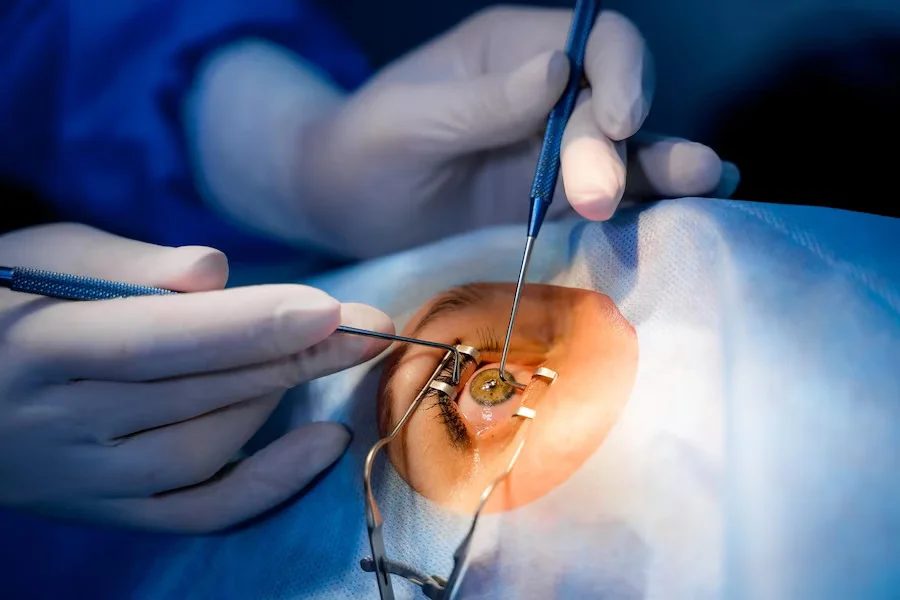
During LASIK, the surgeon reshapes the cornea using specialised laser technology to correct the patient's refractive error.
The procedure generally involves several carefully controlled stages.
A corneal flap is created, the underlying corneal tissue is reshaped according to the patient's treatment plan using an excimer laser, and the flap is repositioned.
The exact surgical parameters are calculated from the patient's preoperative measurements.
How Does the Laser Reshape the Cornea?
The excimer laser removes precisely controlled amounts of corneal tissue according to the patient's refractive correction.
The purpose is to modify the curvature of the cornea so that incoming light can be focused more accurately onto the retina.
The amount of tissue reshaped is determined during treatment planning rather than being the same for every patient.
This personalised approach is why detailed preoperative measurements are important.
Is LASIK Surgery Performed on Both Eyes?
LASIK may be performed on both eyes, depending on the patient's suitability and the surgical plan.
The decision is made by the treating ophthalmologist based on the patient's examination and refractive requirements.
Patients should discuss whether both eyes are planned for treatment and what the expected recovery process will involve.
Is LASIK Surgery Painful?
LASIK is performed using anaesthetic eye drops to numb the surface of the eye during the procedure.
Patients may experience pressure, awareness of touch or temporary discomfort rather than significant pain during the procedure.
After surgery, some patients may experience temporary:
- Watery eyes
- Grittiness
- Light sensitivity
- Mild irritation
- Fluctuating vision
The individual experience can vary.
How Long Does LASIK Surgery Take?
The actual laser procedure is relatively brief, although the total time at the eye hospital also includes preparation, preoperative checks and postoperative instructions.
Patients should allow sufficient time for the complete visit rather than planning only around the laser treatment itself.
The surgical team can provide specific instructions about arrival time and the expected duration of the appointment.
What Happens Immediately After LASIK?
After the procedure, the patient is observed briefly and the eyes are checked before leaving.
Vision may initially appear hazy or fluctuate as the eyes begin to recover.
Patients may receive instructions regarding:
- Prescribed eye drops
- Eye protection
- Avoiding eye rubbing
- Follow-up appointments
- Temporary activity restrictions
- Managing exposure to dust or other irritants
A responsible adult may be recommended to accompany the patient home depending on the circumstances.
What Is LASIK Recovery Like?
LASIK recovery varies between individuals, but many patients notice changes in vision during the early recovery period.
Vision can fluctuate initially before becoming more stable.
During recovery, patients may experience:
- Temporary dryness
- Mild irritation
- Light sensitivity
- Fluctuating vision
- Glare or visual disturbances
- Temporary blurring
These symptoms should be discussed during the postoperative consultation so the ophthalmologist can determine whether recovery is progressing appropriately.
What Precautions Are Needed After LASIK?
Postoperative instructions should be followed carefully to protect the eyes while they recover.
Patients may be advised to:
- Avoid rubbing the eyes
- Use prescribed eye drops as directed
- Attend follow-up examinations
- Protect the eyes from accidental trauma
- Follow instructions regarding swimming and other activities
- Avoid exposing the eyes unnecessarily to dust or irritants
The exact precautions and duration depend on the patient's recovery and the treating ophthalmologist's instructions.
When Can You Return to Normal Activities After LASIK?
The timing for returning to individual activities varies.
Patients should follow the specific advice provided by their ophthalmologist regarding:
- Work
- Driving
- Exercise
- Swimming
- Contact sports
- Screen use
- Outdoor activities
Activities involving potential eye injury may require additional precautions during recovery.
Patients should not resume an activity simply because vision feels better if postoperative instructions advise waiting longer.
Why Are Follow-Up Visits Important After LASIK?
Follow-up examinations allow the ophthalmologist to assess healing and monitor the visual outcome after surgery.
During follow-up, the doctor may evaluate:
- Visual acuity
- Corneal healing
- Ocular surface condition
- Eye pressure when appropriate
- Residual refractive error
- Other postoperative findings
Follow-up also gives patients an opportunity to discuss symptoms such as persistent dryness, glare or fluctuating vision.
What Are the Possible Side Effects of LASIK?
LASIK can have potential side effects, and these should be discussed before surgery.
Possible temporary or persistent visual or ocular-surface effects can include:
- Dry eyes
- Glare
- Halos around lights
- Fluctuating vision
- Light sensitivity
- Difficulty seeing clearly in certain lighting conditions
- Residual or recurrent refractive error
The likelihood and duration of these effects can vary between individuals.
What Are the Risks of LASIK?
As with any surgical procedure, LASIK has potential risks and does not guarantee a particular visual result.
Potential complications can include:
- Infection
- Corneal healing problems
- Inflammation
- Under-correction or over-correction
- Irregular visual symptoms
- Persistent dry-eye symptoms
- Rare corneal structural complications
The individual risk depends on factors such as corneal characteristics, eye health and the patient's suitability for surgery.
A proper preoperative assessment is therefore essential.
Can LASIK Correct Vision Completely?
LASIK can reduce dependence on spectacles or contact lenses in suitable patients, but a completely spectacle-free outcome cannot be guaranteed for every individual.
The final visual result can depend on:
- Original refractive error
- Corneal characteristics
- Healing response
- Age
- Eye health
- Residual refractive error
- Individual visual requirements
Patients should discuss realistic expectations with the ophthalmologist before deciding on surgery.
Can Spectacles Still Be Needed After LASIK?
Yes. Some patients may still require spectacles for particular activities or visual needs after LASIK.
For example, age-related changes in near vision can occur independently of LASIK.
Some patients may also have a small residual refractive error or experience changes in prescription over time.
The goal of LASIK is therefore best understood as reducing dependence on corrective lenses, rather than guaranteeing that glasses will never be needed again.
What If the Vision Is Not Fully Corrected After LASIK?
A small amount of residual refractive error can occur after refractive surgery.
If vision does not reach the expected level, the ophthalmologist can evaluate the cause.
Depending on the clinical findings, options may include:
- Observation while the eye stabilises
- Spectacle correction
- Further assessment
- Additional refractive treatment in carefully selected cases
A further procedure should only be considered after confirming that the eye is suitable.
Can LASIK Results Change Over Time?
Yes. Vision can change over time even after an initially successful LASIK procedure.
Changes may be associated with:
- Natural ageing
- Changes in refractive status
- Eye conditions
- Other changes affecting the visual system
LASIK does not prevent normal age-related changes in the eye.
Patients should continue routine eye examinations even after successful refractive surgery.
When Is LASIK Not the Right Choice?
LASIK may not be appropriate when the preoperative assessment identifies factors that could make the procedure unsuitable or increase the risk of complications.
Possible considerations include:
- Unstable refractive prescription
- Certain corneal abnormalities
- Insufficient corneal thickness
- Significant ocular surface problems
- Certain eye diseases
- Certain medical circumstances
In such cases, the ophthalmologist may recommend an alternative approach or advise against refractive surgery.
What Should You Avoid Before LASIK?
The ophthalmologist may provide specific preparation instructions before surgery.
Depending on the patient's circumstances, these may include instructions concerning:
- Contact lens use before measurements
- Eye makeup
- Medications
- Eye rubbing
- Existing eye infections or inflammation
Contact lens wear can temporarily influence corneal shape, so patients should follow the specific instructions given before their final measurements.
What Should You Do After LASIK?
Successful recovery depends partly on following postoperative instructions.
Patients should:
- Use prescribed medicines or eye drops as directed.
- Avoid rubbing or pressing the eyes.
- Attend all scheduled follow-up appointments.
- Protect the eyes from accidental injury.
- Follow activity restrictions provided by the ophthalmologist.
- Report unexpected or worsening symptoms.
Do not independently stop prescribed postoperative medication.
When Should You Contact the Eye Specialist After LASIK?
Patients should contact their treating eye specialist promptly if they experience unexpected or worsening symptoms after surgery.
These can include:
- Significant or increasing eye pain
- Sudden reduction in vision
- Increasing redness
- Severe light sensitivity
- Increasing discharge
- Sudden worsening of visual quality
Prompt assessment can help determine whether the symptom is part of the expected recovery process or requires treatment.
LASIK Surgery in Urapakkam: From Evaluation to Follow-Up
From Eligibility Assessment to Long-Term Eye Care
Eligibility Assessment
Corneal Measurements
Surgical Planning
LASIK Procedure
Early Recovery
Follow-Up
Long-Term Eye Care
Every patient may not follow exactly the same timeline.
The ophthalmologist determines the appropriate preparation, procedure and follow-up schedule according to the patient's eye health and recovery.
Choosing a LASIK Surgery Hospital in Urapakkam
Patients searching for a LASIK surgery hospital in Urapakkam should first establish whether the procedure is appropriate for their eyes.
Before choosing refractive surgery, patients should understand:
- How their eyes will be evaluated
- Whether their corneas are suitable
- What procedure is being proposed
- What results can reasonably be expected
- What risks are involved
- What postoperative care is required
- What alternatives are available if LASIK is unsuitable
This helps ensure that the decision is based on medical suitability rather than expectations alone.
LASIK Care at Deepam Eye Hospital, Urapakkam
For patients considering LASIK surgery in Urapakkam, the decision should begin with a proper assessment of whether the procedure is suitable for their eyes.
At Deepam Eye Hospital, Urapakkam, patients can discuss their dependence on spectacles or contact lenses and undergo an appropriate eye evaluation before considering refractive vision correction. The assessment helps determine whether LASIK may be suitable based on the patient's prescription, corneal characteristics and overall eye health.
LASIK is an elective vision-correction procedure, so understanding its potential benefits, limitations and alternatives is an important part of making an informed decision.
Choosing a LASIK Eye Hospital in Urapakkam
When looking for a LASIK eye hospital in Urapakkam, patients should consider the evaluation and follow-up process along with the procedure itself.
Before proceeding, it is useful to understand:
- Whether a detailed refractive assessment is available
- How corneal suitability is evaluated
- Whether existing eye conditions are assessed
- What visual outcome can reasonably be expected
- What alternatives are available
- How postoperative follow-up is planned
- What symptoms require medical review
A consultation allows these questions to be addressed according to the patient's individual eye condition.
LASIK Suitability at a Glance
| Factor Assessed | Why It Matters Before LASIK | What May Happen |
|---|---|---|
| Refractive prescription | Determines the type and degree of vision correction required | The prescription is assessed for suitability |
| Prescription stability | Significant changes in power may affect long-term expectations | Surgery may be deferred if the prescription is still changing |
| Corneal shape | Irregular corneal characteristics can affect suitability | Detailed corneal assessment may be recommended |
| Corneal thickness | LASIK involves controlled corneal reshaping | Thickness is considered when evaluating surgical suitability |
| Ocular surface health | Dry-eye or surface problems may influence recovery | Existing problems may need attention before surgery |
| Overall eye health | Other eye conditions can affect the safety or expected outcome | Additional evaluation or an alternative may be recommended |
| Patient expectations | LASIK aims to reduce dependence on corrective lenses rather than guarantee perfect vision | Expectations are discussed before treatment |
LASIK suitability cannot be determined from spectacle power alone. A comprehensive ophthalmic assessment is required before deciding whether the procedure is appropriate.
Dr. Vimala Karunanithi
Consultant Ophthalmologist
Dr. Vimala Karunanithi is a Consultant Ophthalmologist. Her areas of interest include:
Areas of Interest
Patients seeking vision correction can discuss their eye concerns and undergo an appropriate ophthalmic assessment to understand their individual requirements.
Important: Her verified areas of interest provided to us do not specifically list LASIK or refractive surgery. Therefore, this page does not describe her as a LASIK specialist or claim specific LASIK surgical experience without additional official verification.
Is LASIK Right for You?
There is no single answer that applies to everyone considering LASIK treatment in Urapakkam.
Two people with the same spectacle power may have different corneal measurements, ocular-surface conditions or other eye findings. Their suitability for surgery can therefore differ.
The decision should be based on:
Refractive assessment + Corneal evaluation + Eye health examination + Individual expectations
If LASIK is not appropriate, the ophthalmologist can discuss whether continuing with spectacles, contact lenses or another vision-correction option may be more suitable.
Making an Informed LASIK Decision
Before choosing LASIK surgery in Urapakkam, patients should understand that the procedure is intended to reduce dependence on corrective lenses, but it does not guarantee perfect vision or eliminate the possibility of needing glasses in the future.
Important points to discuss include:
- Expected visual outcome
- Potential side effects
- Individual risk factors
- Recovery requirements
- Alternative options
- Long-term expectations
- Follow-up care
A medically appropriate decision should take both clinical suitability and the patient's expectations into account.
Quick Answers — LASIK Surgery in Urapakkam
What is LASIK surgery?
LASIK is a laser-based refractive eye procedure that reshapes the cornea to correct certain refractive errors and reduce dependence on spectacles or contact lenses.
Where can I get LASIK surgery in Urapakkam?
Patients searching for LASIK surgery in Urapakkam can consult Deepam Eye Hospital for an ophthalmic evaluation and discussion of vision-correction options.
Who is suitable for LASIK?
Suitability depends on factors such as refractive prescription, prescription stability, corneal shape and thickness, ocular-surface health, overall eye health and individual expectations.
Can everyone with spectacles undergo LASIK?
No. Having a spectacle prescription does not automatically make someone suitable for LASIK. A detailed eye and corneal assessment is required.
Can LASIK correct myopia?
LASIK can be used to correct myopia in appropriately selected patients following a comprehensive eligibility assessment.
Can LASIK correct astigmatism?
Certain forms of astigmatism can be treated with refractive laser surgery in suitable patients. The corneal and refractive assessment determines whether LASIK is appropriate.
Does LASIK permanently remove the need for glasses?
LASIK can reduce dependence on spectacles, but it does not guarantee that a person will never need glasses again. Natural age-related changes and other factors can affect vision over time.
Is LASIK painful?
Anaesthetic eye drops are used during the procedure. Patients may experience pressure or awareness during surgery and temporary irritation, dryness or light sensitivity during recovery.
How long does LASIK recovery take?
Recovery varies between individuals. Vision may fluctuate during the early period and gradually stabilise as the eyes heal.
Is LASIK safe for everyone?
No procedure is risk-free. LASIK suitability must be determined through an individual assessment of the cornea, refractive error and overall eye health.
Frequently Asked Questions About LASIK Surgery in Urapakkam
A pre-LASIK assessment may include vision and refraction testing, corneal measurements, evaluation of the ocular surface, eye pressure assessment and examination of overall eye health.
LASIK reshapes corneal tissue, so the thickness and structural characteristics of the cornea are important when determining whether the procedure is appropriate.
Dry-eye symptoms need to be assessed before LASIK. Patients with significant ocular-surface problems may require appropriate management or may be advised to consider an alternative.
A changing prescription can affect the suitability and long-term expectations of refractive surgery. The ophthalmologist will assess prescription stability before making a recommendation.
Yes. Some patients may require glasses for specific activities, residual refractive error or age-related changes in near vision.
Yes. Vision can change naturally over time due to ageing, changes in refractive status or the development of other eye conditions.
Temporary dryness, irritation, light sensitivity, fluctuating vision, glare or halos can occur during recovery. Persistent or worsening symptoms should be discussed with the treating ophthalmologist.
No. LASIK is suitable only for selected patients and particular refractive conditions. The patient's prescription and eye characteristics determine whether the procedure is appropriate.
The ophthalmologist may discuss alternatives such as spectacles, contact lenses or another vision-correction approach when clinically appropriate.
Patients looking for a LASIK consultation in Urapakkam can approach Deepam Eye Hospital for an ophthalmic evaluation and discussion of suitable vision-correction options.
Book a LASIK Consultation in Urapakkam
Thinking about reducing your dependence on spectacles or contact lenses? The right first step is determining whether LASIK is suitable for your eyes.
If you are searching for LASIK surgery in Urapakkam, LASIK treatment in Urapakkam or a LASIK eye hospital in Urapakkam, Deepam Eye Hospital can be considered for an appropriate ophthalmic evaluation.
Book a consultation to understand your eligibility, available options and realistic expectations for vision correction.
Deepam Eye Hospital, Urapakkam
Contact UsMedical Disclaimer
This page provides general educational information about LASIK and refractive vision correction. It does not replace an individual eye examination, diagnosis or medical advice. LASIK suitability, procedure selection, expected results and potential risks vary between patients and should be determined by the treating ophthalmologist after a comprehensive eye and corneal assessment.
