- For appointment (+91) 97906 97907
Contact Lens Clinic in Urapakkam
Deepam Eye Hospital in Urapakkam provides eye-care services for patients considering contact lenses for vision correction, including assessment of their visual requirements and suitability for contact lens wear.
Contact lenses sit directly on the surface of the eye, so choosing them involves more than simply matching a lens to a spectacle power. An appropriate eye examination, contact lens assessment and prescription help determine whether a particular lens is suitable for the individual wearer.
Patients searching for a contact lens clinic in Urapakkam may be considering contact lenses as an alternative to spectacles for work, travel, sports, social activities or everyday vision correction.
The appropriate lens can depend on the patient's refractive error, eye health, corneal characteristics, ocular-surface condition, lifestyle and ability to follow lens-care instructions.
What Are Contact Lenses?
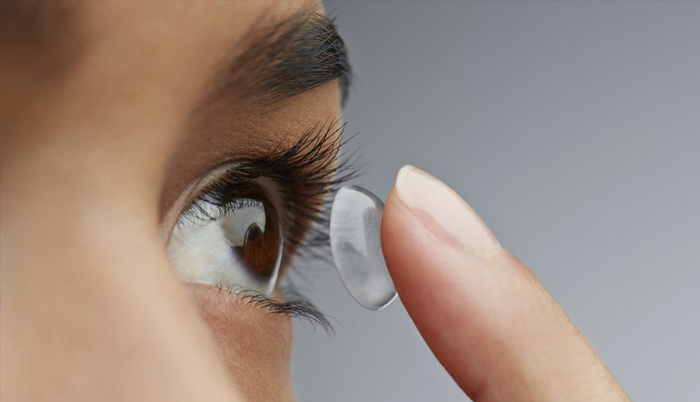
Contact lenses are medical devices worn directly on the eye to correct certain refractive errors or address specific visual requirements.
Unlike spectacles, which remain in front of the eyes, contact lenses move with the eye and provide vision correction across the visual field.
Common categories include:
- Soft contact lenses
- Rigid gas-permeable lenses
- Daily disposable lenses
- Planned-replacement lenses
- Specialised lenses for selected visual needs
The appropriate type should be determined through professional assessment rather than selected only on the basis of price, appearance or availability.
How Do Contact Lenses Correct Vision?
Contact lenses alter the way light enters the eye so that it can be focused more appropriately for the person's refractive error.
They may be prescribed for suitable patients with:
- Myopia
- Hyperopia
- Astigmatism
- Certain other refractive requirements
The required lens power is determined through an eye examination and contact lens assessment.
A spectacle prescription and contact lens prescription are not necessarily identical because contact lenses require additional fitting considerations.
Why Do People Choose Contact Lenses?
People may consider contact lenses for practical or lifestyle reasons.
Some prefer them because they can:
- Reduce dependence on spectacles
- Provide an alternative during sports
- Be convenient for travel
- Suit certain professional activities
- Offer a glasses-free appearance
- Provide vision correction without spectacle frames
However, lifestyle preference alone does not determine suitability. The eyes must also be appropriate for contact lens wear.
Contact Lenses and Spectacles: Are They the Same?
No. Contact lenses and spectacles can both correct refractive errors, but they involve different prescriptions, fitting requirements and care routines.
Spectacles sit away from the eye, whereas contact lenses interact directly with the ocular surface.
Contact lens wear therefore requires attention to:
- Lens fit
- Lens material
- Wearing schedule
- Cleaning and disinfection
- Replacement schedule
- Eye comfort
- Ocular health
Someone who uses spectacles successfully is not automatically suitable for every type of contact lens.
What Is a Contact Lens Prescription?
A contact lens prescription specifies the characteristics required for the prescribed lens and its fitting.
Depending on the lens type, it may include:
- Lens power
- Lens design or material
- Base curve
- Diameter where applicable
- Other lens-specific parameters
The exact prescription details vary according to the lens being prescribed.
This is why a contact lens prescription in Urapakkam should be established through an appropriate examination and fitting process rather than simply copying an existing spectacle prescription.
Is a Spectacle Prescription Enough to Buy Contact Lenses?
Not necessarily.
Although the refractive power may be related to the spectacle prescription, contact lenses sit directly on the cornea and therefore require additional fitting considerations.
The appropriate lens can depend on:
- Refractive power
- Lens design
- Base curve
- Diameter
- Material
- Corneal characteristics
- Ocular-surface condition
Patients should avoid independently selecting contact lenses based only on their spectacle numbers.
What Is Contact Lens Fitting?
Contact lens fitting is the process of determining whether a particular lens design and size are appropriate for the patient's eyes.
A suitable lens should provide the required vision while maintaining an appropriate relationship with the eye.
The fitting assessment can consider:
- Lens position
- Lens movement
- Vision through the lens
- Comfort
- Ocular-surface response
- Suitability of the lens design
Professional fitting is important because a lens that initially feels comfortable may not necessarily be appropriate for prolonged wear.
Why Is Contact Lens Fitting Important?
A contact lens needs to interact appropriately with the eye.
An unsuitable lens can contribute to discomfort and ocular complications. Problems associated with contact lens use can include irritation, corneal injury and infection, particularly when lenses are used incorrectly or without appropriate care.
A professional contact lens fitting in Urapakkam helps assess whether the selected lens is appropriate for the patient's visual and ocular requirements.
What Types of Contact Lenses Are Available?
Contact lenses differ in their materials, designs, replacement schedules and intended uses.
Soft Contact Lenses
Soft lenses are flexible and are commonly used for different refractive corrections.
Their characteristics can vary according to:
- Material
- Water content
- Oxygen transmission
- Replacement schedule
- Lens design
Rigid Gas-Permeable Lenses
Rigid gas-permeable lenses are made from materials designed to allow oxygen to reach the cornea.
They may be considered for selected patients who require a different optical or fitting approach.
Daily Disposable Lenses
Daily disposable lenses are designed for single-day use and are discarded after removal.
They provide a different maintenance routine compared with reusable lenses.
Planned-Replacement Lenses
Some contact lenses are replaced according to a prescribed schedule rather than discarded after each day.
The replacement period depends on the specific lens and the instructions provided by the eye-care professional and manufacturer.
Who May Consider Contact Lenses?
Contact lenses may be considered by people who require vision correction and prefer an alternative to spectacles.
Potential candidates may include people with:
- Myopia
- Hyperopia
- Astigmatism
- Lifestyle-related visual requirements
- A preference for lens-based correction
However, interest in contact lenses does not automatically mean that a person is suitable for every lens type.
An eye examination is necessary before choosing the appropriate lens.
Who May Need Additional Assessment Before Contact Lens Wear?
Some patients may require further evaluation before beginning contact lens use.
This can be relevant when there is:
- Significant dry-eye symptoms
- Ocular-surface disease
- Recurrent eye irritation
- Previous corneal problems
- Active eye inflammation or infection
- Problems with previous contact lenses
- Difficulty following lens hygiene requirements
The ophthalmologist can determine whether contact lens wear is appropriate or whether an underlying eye problem should be addressed first.
Can People With Astigmatism Wear Contact Lenses?
Some people with astigmatism can use specially designed contact lenses, depending on their prescription and eye characteristics.
The lens design required for astigmatism may differ from a standard spherical lens.
The appropriate option depends on the patient's refractive measurements and fitting assessment.
Can Contact Lenses Be Used for Different Visual Requirements?
Yes. Contact lenses are available in different designs for different vision needs.
The appropriate lens can depend on:
- Distance vision requirements
- Astigmatism
- Age
- Lifestyle
- Ocular health
- Previous contact lens experience
- Intended wearing schedule
The purpose of a contact lens consultation is to determine whether a suitable lens can meet the patient's visual requirements while supporting appropriate eye health.
Are Coloured Contact Lenses Safe Without an Eye Examination?
Coloured or decorative contact lenses should not be treated simply as cosmetic accessories.
They come into direct contact with the eye and therefore require appropriate prescription and fitting considerations.
Using contact lenses without professional assessment can increase the risk of an unsuitable fit, irritation or infection.
Why Should Contact Lenses Be Prescribed Professionally?
Contact lenses are worn directly on the eye, making appropriate selection and fitting important.
A professional assessment can help determine:
- Whether contact lens wear is appropriate
- Which lens design may suit the patient
- Whether the lens fits correctly
- Whether vision is adequately corrected
- Whether the ocular surface remains healthy
Professional guidance is particularly important for first-time wearers and people who have experienced problems with previous lenses.
Can Everyone Wear Contact Lenses?
No. Contact lenses are not suitable for every person or every eye condition.
Suitability may be influenced by:
- Eye health
- Tear-film condition
- Corneal characteristics
- Refractive requirements
- Lifestyle
- Ability to follow lens-care instructions
If contact lenses are unsuitable, spectacles or another vision-correction option may be more appropriate.
What Should You Consider Before Choosing Contact Lenses?
Before obtaining contact lenses, patients should consider:
- Whether their current prescription is up to date
- Eye comfort and dryness
- The type of lens required
- Intended wearing frequency
- Cleaning requirements
- Replacement schedule
- Follow-up requirements
- Ability to follow safe lens-wearing practices
The most suitable lens is not necessarily the one with the lowest cost or the most convenient availability.
Why Is an Eye Examination Important Before Contact Lens Wear?
An eye examination helps determine whether the eyes are suitable for contact lens wear and what type of correction may be appropriate.
The assessment can identify refractive requirements and other ocular factors that may influence lens selection.
Regular eye examinations can also remain important for established contact lens wearers because ocular problems may sometimes develop without obvious symptoms.
Contact Lens Clinic in Urapakkam at Deepam Eye Hospital
Deepam Eye Hospital in Urapakkam provides eye-care services for patients seeking contact lens assessment and vision-correction guidance.
Patients considering a contact lens clinic in Urapakkam can discuss their visual requirements and undergo an appropriate eye evaluation before selecting a contact lens.
The recommended lens depends on the individual's prescription, eye health, fitting requirements and intended use.
Contact Lens Prescription in Urapakkam: Why Individual Assessment Matters
A contact lens prescription in Urapakkam should be based on the patient's current examination and the specific lens being prescribed.
Contact lens power should not automatically be treated as identical to spectacle power. A proper assessment considers the complete lens specification and how the lens interacts with the eye.
This approach helps support appropriate vision correction while allowing the eye-care professional to assess fit and ocular comfort.
How Does a Contact Lens Consultation Begin?
A contact lens consultation in Urapakkam begins with understanding the patient's visual requirements, previous correction and expectations from contact lens wear.
The eye-care professional may discuss:
- Current spectacle use
- Previous contact lens experience
- Reason for choosing contact lenses
- Frequency of intended use
- Work and lifestyle requirements
- Any history of eye discomfort
- Previous problems with contact lenses
This information helps guide the subsequent assessment and lens-selection process.
How Is Contact Lens Prescription Determined?
A contact lens prescription in Urapakkam is determined after assessing the patient's current refractive requirement and considering the characteristics needed for the selected lens.
The prescription process may involve:
- Checking current visual acuity
- Performing refraction
- Reviewing the refractive requirement
- Assessing the eyes for contact lens suitability
- Selecting an appropriate lens design
- Determining relevant lens parameters
- Assessing the lens on the eye when required
The final prescription should correspond to the specific contact lens prescribed rather than simply copying an old spectacle prescription.
What Is Checked During a Contact Lens Examination?
A contact lens examination in Urapakkam may involve assessment of the eyes before and during the fitting process.
Depending on the patient's needs, the eye-care professional may evaluate:
- Visual acuity
- Refractive status
- Corneal surface
- Ocular surface
- Tear-film condition
- Eyelids and surrounding structures
- General eye health
- Previous contact lens history
The exact examination varies according to the patient's symptoms and lens requirements.
How Is the Right Contact Lens Selected?
Contact lens selection involves matching the lens characteristics with the patient's visual and ocular requirements.
Factors that may influence selection include:
- Refractive correction required
- Astigmatism
- Corneal characteristics
- Ocular-surface condition
- Intended wearing frequency
- Lifestyle
- Previous lens experience
- Ability to follow lens-care instructions
There is no single contact lens that is ideal for every wearer.
What Happens During Contact Lens Fitting?
Contact lens fitting involves placing the selected lens on the eye and assessing how it behaves during wear.
The eye-care professional may observe:
- Lens position
- Lens movement
- Centration
- Vision through the lens
- Patient comfort
- Interaction between the lens and ocular surface
The fitting may be adjusted if the initial lens does not provide the desired combination of vision, comfort and appropriate positioning.
Why Is Lens Movement Assessed?
A contact lens should interact appropriately with the eye during blinking and normal eye movement.
Observing lens movement can provide useful information about whether the lens is appropriate for the individual eye.
The assessment may help identify whether the lens:
- Remains appropriately positioned
- Moves excessively
- Moves inadequately
- Provides stable vision
- Causes noticeable discomfort
The fitting decision is based on the overall clinical assessment rather than one measurement alone.
What Is a Trial Contact Lens?
A trial lens may be used during the fitting process to evaluate how a particular lens design performs on the patient's eye.
The trial can allow assessment of:
- Vision
- Comfort
- Lens position
- Lens movement
- Overall suitability
A trial lens does not necessarily mean that the same lens will be the final prescription. The eye-care professional may modify the lens parameters if required.
How Is Vision Checked With Contact Lenses?
After a lens is placed on the eye, vision can be assessed with the lens in position.
The eye-care professional may determine whether the patient can see appropriately at the required distance and whether the correction is satisfactory.
If vision is not as expected, the lens power or design may need to be reassessed.
How Is Contact Lens Comfort Evaluated?
Comfort is an important part of contact lens fitting.
Patients should describe sensations such as:
- Foreign-body sensation
- Dryness
- Burning
- Excessive awareness of the lens
- Watering
- Irritation
However, comfort alone does not establish that a lens is suitable.
A lens can feel acceptable while still requiring professional evaluation of its fit and effect on the ocular surface.
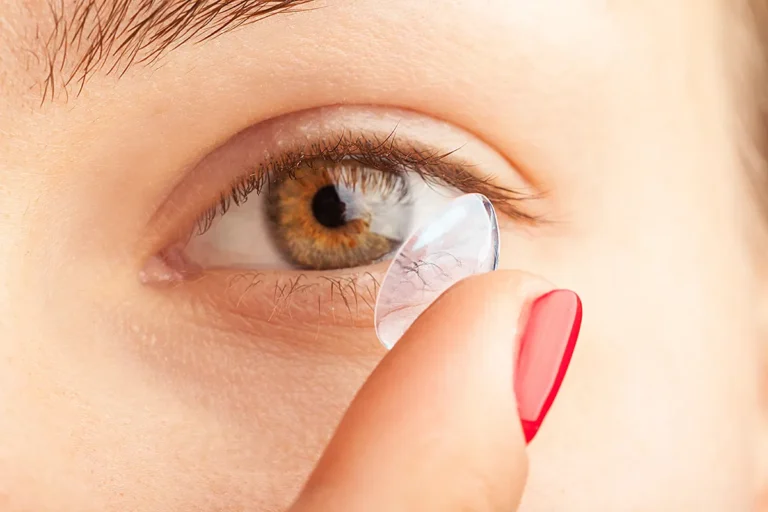
How Are Contact Lenses Inserted and Removed?
First-time wearers need to learn appropriate lens-handling techniques before using contact lenses independently.
The wearer should be taught how to:
- Wash and dry hands before handling lenses
- Handle the lens carefully
- Place the lens correctly
- Remove the lens safely
- Follow the recommended cleaning or disposal routine
The exact handling process depends on the type of contact lens prescribed.
Why Is Hand Hygiene Important Before Handling Lenses?
Clean hands are essential before touching contact lenses.
Hands can carry dirt, oils and microorganisms that may contaminate the lens.
Before handling a reusable contact lens, the wearer should wash and dry their hands according to the recommended hygiene routine.
This simple step is an important part of reducing avoidable contamination during lens handling.
How Should Reusable Contact Lenses Be Cared For?
Reusable contact lenses require appropriate cleaning, disinfection and storage according to the lens and solution instructions.
Patients should:
- Follow the prescribed cleaning routine
- Use the recommended lens-care solution
- Replace the storage case as advised
- Avoid using inappropriate liquids for lens storage
- Follow the recommended replacement schedule
Lens-care instructions can differ depending on the lens and solution, so patients should follow the specific instructions provided to them.
Can Contact Lenses Be Washed With Tap Water?
Contact lenses should not be exposed unnecessarily to tap water.
Water can contain microorganisms that may contaminate contact lenses and increase the risk of eye infection.
Wearers should follow the recommended lens-care system and use the appropriate solution rather than substituting household water.
What Is the Recommended Contact Lens Wearing Schedule?
The wearing schedule depends on the lens type and the patient's individual circumstances.
Patients should follow the schedule provided by the eye-care professional and the lens manufacturer's instructions.
They should not extend lens wear simply because the lenses still feel comfortable.
Can You Sleep While Wearing Contact Lenses?
Contact lens wearers should not sleep in their lenses unless overnight wear has been specifically prescribed and the lens is approved for that use.
Sleeping in contact lenses can alter the risk profile of lens wear.
Patients should follow the wearing instructions provided for their specific lens rather than assuming that all contact lenses can safely be worn overnight.
Can You Swim While Wearing Contact Lenses?
Contact lens wearers should receive specific guidance about water exposure.
Swimming or exposing lenses to water can increase the possibility of contamination.
If a wearer is involved in swimming or water-based activities, they should follow appropriate eye-care advice regarding contact lens use and eye protection.
What Should You Do If a Contact Lens Feels Uncomfortable?
Remove the lens if it becomes unexpectedly uncomfortable and seek professional advice if the problem persists or is associated with other symptoms.
Do not continue wearing a lens simply to complete the planned wearing period when there is significant discomfort.
Persistent discomfort may indicate:
- Poor lens fit
- Ocular-surface irritation
- Dryness
- Lens damage
- Contamination
- An underlying eye problem
What Are Warning Signs During Contact Lens Wear?
Contact lens wearers should take unexpected eye symptoms seriously.
Warning signs can include:
- Significant eye pain
- Marked redness
- Sudden reduction in vision
- Increasing sensitivity to light
- Unusual discharge
- Persistent irritation
- Significant watering
- New visual disturbance
A contact lens should be removed and prompt professional eye assessment sought when significant or unexpected symptoms occur.
What Should You Do If a Lens Is Damaged?
A damaged, torn or visibly compromised lens should not be worn.
A damaged lens may cause irritation or discomfort and may not sit correctly on the eye.
The appropriate response depends on the lens type, but patients should follow the replacement and handling instructions provided for their specific lens.
What Happens During Contact Lens Follow-Up?
A contact lens follow-up in Urapakkam can help assess how the prescribed lens is performing after the patient has started wearing it.
The review may consider:
- Visual quality
- Comfort
- Lens handling
- Wearing habits
- Lens condition
- Ocular-surface response
- Any symptoms experienced since fitting
Follow-up is particularly useful when a patient is new to contact lenses or has experienced previous fitting difficulties.
Why Should Contact Lens Wearers Attend Eye Reviews?
Contact lens wear is an ongoing interaction between the lens and the eye.
A wearer may become accustomed to mild symptoms and not recognise that something has changed.
Periodic eye assessment can help identify problems that may not be obvious from vision alone.
The appropriate review schedule depends on the patient's lens type, eye health and individual circumstances.
What If the First Lens Does Not Work Well?
The first lens selected does not always provide the ideal combination of comfort and vision.
If the patient experiences problems, the eye-care professional can reassess:
- Lens power
- Lens design
- Lens parameters
- Fit
- Wearing routine
- Ocular-surface condition
A different lens design may be considered if the original option does not meet the patient's requirements.
Contact Lens Prescription and Fitting: The Patient Journey
From Consultation to Follow-Up
Consultation
Vision Assessment
Eye Evaluation
Lens Selection
Trial Fitting
Vision and Comfort Assessment
Prescription
Wearing Guidance
Follow-Up
Not every patient will require exactly the same sequence or number of visits.
The process should be adapted to the lens type and the patient's individual requirements.
When Should a Contact Lens Prescription Be Reviewed?
A contact lens prescription may need reassessment when:
- Vision becomes less clear
- The spectacle prescription changes
- Lens comfort decreases
- The patient develops repeated irritation
- The lens no longer performs as expected
- There are changes in eye health
- The wearer changes their visual requirements
Patients should not simply purchase a new lens based on an old prescription if their visual or ocular circumstances have changed.
Contact Lens Clinic in Urapakkam: Professional Fitting Matters
A contact lens clinic in Urapakkam should provide more than a lens power.
The fitting process needs to consider the relationship between:
Vision + Lens design + Lens parameters + Eye surface + Wearing habits + Patient requirements
This is why professional assessment is particularly important for first-time wearers, patients with astigmatism and anyone who has experienced discomfort with previous lenses.
Contact Lens Care in Urapakkam
Safe contact lens use continues after the prescription and fitting appointment.
Wearers should follow their individual instructions regarding:
- Hand hygiene
- Lens insertion and removal
- Cleaning and disinfection
- Storage
- Replacement
- Wearing duration
- Water exposure
- Follow-up
If the eyes become painful, significantly red or vision changes unexpectedly, contact lens wear should not be continued while waiting for symptoms to resolve on their own.
Choosing a contact lens clinic in Urapakkam should involve more than finding a lens with the required power.
The right approach considers your visual requirements, eye health, intended wearing pattern and ability to follow lens-care instructions.
A professional consultation can help you understand whether contact lenses are appropriate for you and which type of lens may suit your individual requirements.
What Should You Consider Before Getting Contact Lenses?
Before starting contact lens wear, consider:
- Why you want to use contact lenses
- How frequently you expect to wear them
- Whether you need correction for distance, near or both
- Whether you participate in sports or outdoor activities
- Whether you experience dry or irritated eyes
- Whether you can follow the required hygiene routine
- Whether you are comfortable handling lenses
- Whether you can follow the recommended replacement schedule
These factors can influence the type of lens and wearing plan considered during your consultation.
Contact Lenses for Work and Lifestyle
Different lifestyles can create different visual requirements.
For example, a person who occasionally wants contact lenses for social activities may have different requirements from someone who plans to wear lenses regularly for work.
Your eye-care professional may consider:
- Daily wearing needs
- Screen-based work
- Outdoor activities
- Sports
- Travel
- Special occasions
- Frequency of lens use
The purpose is to find an approach that is practical as well as medically appropriate.
What Should You Bring to a Contact Lens Consultation?
If you are visiting a contact lens clinic in Urapakkam, bringing relevant information can make the consultation more useful.
Consider bringing:
- Your current spectacles
- Previous spectacle prescription
- Previous contact lens prescription, if available
- Previous eye examination reports
- Details of any previous contact lens problems
- Information about current eye medicines
- Details of known eye conditions
If you have previously stopped wearing contact lenses because of discomfort, tell the ophthalmologist what happened.
Questions to Ask Before Starting Contact Lens Wear
Patients can ask the eye-care professional:
- Which type of contact lens may suit my eyes?
- Is my current prescription suitable for contact lenses?
- How frequently should I replace the lenses?
- How should I clean and store reusable lenses?
- How long can I wear the lenses each day?
- Can I sleep while wearing them?
- What should I do if my eyes become uncomfortable?
- When should I return for a review?
- What symptoms require immediate eye assessment?
Understanding these points before starting lens wear can help prevent avoidable problems.
Contact Lens Hygiene: What Should Wearers Remember?
Good hygiene is an essential part of contact lens care.
Wearers should maintain a consistent routine for:
- Washing and drying hands
- Handling lenses
- Cleaning reusable lenses
- Storing lenses
- Maintaining the lens case
- Replacing lenses on schedule
Contact lenses should never be treated like ordinary cosmetic accessories because they are worn directly on the eye.
Why Should You Avoid Sharing Contact Lenses?
Contact lenses should never be shared between people.
A contact lens is selected and fitted for an individual eye. Sharing can also introduce microorganisms and increase the risk of eye problems.
Each wearer should have their own prescribed lenses and follow their own lens-care instructions.
What If You Have Dryness While Wearing Contact Lenses?
Some contact lens wearers may experience dryness or discomfort.
If symptoms occur repeatedly, the wearer should discuss them with an eye-care professional rather than simply increasing wearing time or changing products without guidance.
The clinician may need to assess:
- Lens fit
- Ocular-surface condition
- Wearing pattern
- Lens material or design
- Other possible causes of discomfort
The appropriate solution depends on the underlying cause.
When Should You Stop Wearing Contact Lenses?
A wearer should not continue using a lens when significant or unusual eye symptoms develop.
Contact lens wear should be stopped and professional advice sought if there is:
- Significant eye pain
- Sudden reduction in vision
- Marked redness
- Increasing light sensitivity
- Unusual discharge
- Persistent or worsening irritation
- Significant watering accompanied by discomfort
These symptoms should not be dismissed as normal lens adjustment.
Contact Lens Care for First-Time Wearers
First-time wearers may need time to become comfortable with:
- Lens insertion
- Lens removal
- Cleaning
- Storage
- Understanding wearing limits
- Recognising abnormal symptoms
Patients should follow the instructions provided during their fitting rather than relying on advice from friends or unverified online sources.
Dr. Vimala Karunanithi
Consultant Ophthalmologist
Dr. Vimala Karunanithi is a Consultant Ophthalmologist with areas of interest that include:
Areas of Interest
Patients considering contact lens use can undergo an appropriate eye assessment to understand their vision requirements and whether contact lens wear is suitable for their individual circumstances.
Note: The credentials provided do not specifically identify Dr. Vimala Karunanithi as a contact lens specialist. Therefore, this page does not make that unverified claim.
Contact Lens Selection Guide
| Patient Requirement | What May Be Considered | Why Professional Assessment Matters |
|---|---|---|
| Occasional lens use | A suitable lens with an appropriate wearing schedule | The lens should match the intended frequency of use |
| Regular vision correction | Lens design suited to the patient's prescription and lifestyle | Fit and ocular health need to be assessed |
| Astigmatism correction | A lens design intended for astigmatic correction | Lens stability and visual performance need evaluation |
| Previous lens discomfort | Reassessment before selecting another lens | Discomfort may have different underlying causes |
| First-time lens wearer | Individual fitting and handling guidance | Proper technique and suitability need to be established |
| Dry-eye symptoms | Ocular-surface assessment before lens selection | Lens wear may need modification or may not be appropriate |
This table is educational and does not determine which contact lens an individual should use. A personalised examination is required.
Contact Lens Clinic in Urapakkam
Where can I get a contact lens prescription in Urapakkam?
Patients searching for a contact lens prescription in Urapakkam can consult Deepam Eye Hospital for an appropriate eye and contact lens assessment.
What is a contact lens clinic?
A contact lens clinic provides assessment and guidance for patients considering contact lenses, including vision evaluation, lens selection, fitting and follow-up where appropriate.
Can I use my spectacle prescription for contact lenses?
Not always. Contact lenses require their own prescription and fitting considerations, so an eye-care professional should assess the patient before a lens is selected.
Do contact lenses need to be fitted?
Yes. Contact lens fitting helps determine whether the selected lens sits appropriately on the eye and provides suitable vision and comfort.
Can people with astigmatism wear contact lenses?
Some people with astigmatism can use specially designed contact lenses. Suitability depends on the prescription, eye characteristics and fitting assessment.
Can everyone wear contact lenses?
No. Contact lens suitability varies according to eye health, refractive requirements, ocular-surface condition, lifestyle and other individual factors.
What should I do if my contact lens causes pain?
Remove the lens and seek professional eye-care advice, particularly if pain is significant or accompanied by redness, light sensitivity or reduced vision.
Can I sleep while wearing contact lenses?
Contact lens wearers should follow the specific instructions for their prescribed lens. Overnight wear should not be assumed to be appropriate for every lens.
Frequently Asked Questions About Contact Lens Care
The replacement schedule depends on the type of lens prescribed. Wearers should follow the schedule provided for their specific lens rather than extending its use.
Contact lenses should be professionally prescribed and appropriately fitted. Buying lenses solely based on an old spectacle prescription may result in an unsuitable lens.
Coloured lenses that are worn directly on the eye should be treated as contact lenses and require appropriate assessment, prescription and fitting.
Some children may be able to wear contact lenses, but suitability depends on age, eye health, maturity, visual requirements and ability to follow hygiene and handling instructions.
Contact lenses can reduce dependence on spectacles for suitable wearers, but some people may still need spectacles for particular situations or when lenses cannot be worn.
Excessive movement can have different causes, including lens fit or other ocular factors. A professional assessment can determine whether the lens is appropriate.
Frequent dryness should be assessed before or during contact lens wear. The eye-care professional can determine whether lens wear is appropriate and whether changes are required.
Follow the instructions provided by the eye-care professional. Contact lens wear can affect certain measurements, so the clinician may provide specific preparation instructions.
Water exposure can introduce microorganisms to contact lenses. Patients should follow professional guidance about lens use during swimming and water-related activities.
Patients searching for contact lens fitting in Urapakkam can consult Deepam Eye Hospital for an assessment of their visual requirements and contact lens suitability.
Contact Lens Consultation in Urapakkam
If you are considering contact lenses as an alternative to spectacles, the first step is understanding whether they are suitable for your eyes.
For patients searching for a contact lens clinic in Urapakkam, contact lens prescription in Urapakkam or contact lens fitting in Urapakkam, Deepam Eye Hospital can provide an appropriate ophthalmic evaluation and guidance based on individual requirements.
Book a consultation to discuss your vision needs and contact lens options.
Deepam Eye Hospital, Urapakkam
Contact UsMedical Disclaimer
This page provides general educational information about contact lenses and does not replace an individual eye examination, contact lens fitting or medical advice. Contact lens suitability, prescription, lens type, wearing schedule and follow-up requirements vary between individuals. Patients experiencing significant eye pain, redness, sudden vision changes or other concerning symptoms should seek prompt professional eye assessment.
