- For appointment (+91) 97906 97907
Squint Eye Treatment in Urapakkam
Deepam Eye Hospital in Urapakkam provides eye care for patients seeking evaluation and management of squint and other eye-alignment concerns. A squint, medically known as strabismus, occurs when the two eyes do not point in the same direction at the same time.
A noticeable eye turn can occur in children as well as adults. In some people, the misalignment is present all the time, while in others it may appear only under particular circumstances. A squint can also be associated with differences in vision between the two eyes.
Squint eye treatment in Urapakkam depends on the type of eye misalignment, the age of the patient, vision in each eye, the underlying cause and how the eyes work together. Management may involve observation, spectacles, treatment for reduced vision in one eye or, in selected cases, squint surgery.
Patients looking for squint eye surgery in Urapakkam should first undergo an appropriate eye-alignment assessment. Surgery is not automatically required for every person with a squint.
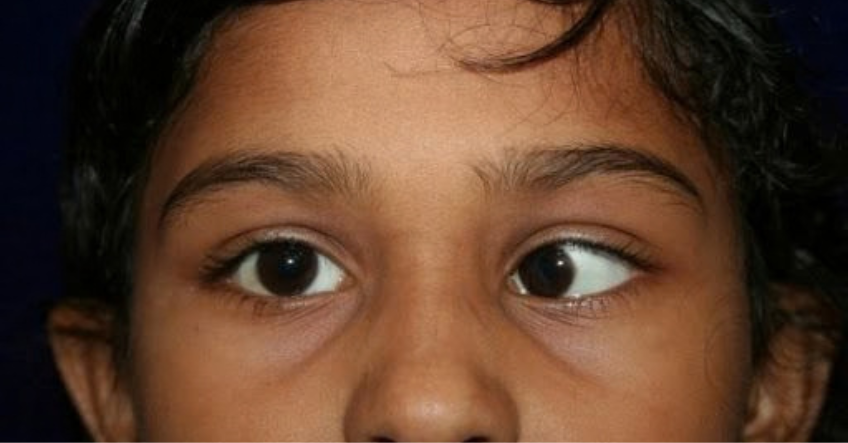
What Is a Squint?
A squint is an eye-alignment condition in which the two eyes are not directed at the same target simultaneously.
When the eyes are properly aligned, both can work together to provide coordinated visual information to the brain.
With a squint, one eye may point in a different direction from the other. The misalignment can be:
- Inward
- Outward
- Upward
- Downward
The appearance and effect of a squint can vary significantly between patients.
What Is Strabismus?
Strabismus is the medical term used for a condition in which the eyes are not properly aligned.
It can occur during childhood or develop later in life.
Strabismus is not simply a cosmetic difference in the position of the eyes. Depending on the cause and age at which it develops, it can affect how the eyes work together and, in children, may interfere with normal visual development.
This is why a strabismus treatment in Urapakkam assessment should consider both eye alignment and visual function.
How Do Normally Aligned Eyes Work Together?
When the eyes are aligned correctly, each eye looks toward the same object.
The brain receives information from both eyes and combines these signals to create a coordinated visual experience.
This teamwork helps with:
- Judging distance
- Understanding depth
- Locating objects
- Coordinating hand and eye movements
- Maintaining a stable visual image
When the eyes are not properly aligned, the brain may receive images that do not correspond precisely.
What Are the Different Types of Squint?
Squint can be described according to the direction in which one eye deviates.
Esotropia
Esotropia is an inward deviation of one or both eyes.
The affected eye may turn toward the nose. It can occur in children and adults and may be constant or intermittent.
Exotropia
Exotropia is an outward deviation of one or both eyes.
The eye may drift away from the nose. In some patients, the outward turn may become more noticeable when the person is tired, unwell or concentrating less.
Hypertropia
Hypertropia occurs when one eye is positioned higher than the other.
Vertical eye misalignment can have different causes and requires an appropriate ophthalmic assessment.
Hypotropia
Hypotropia refers to downward deviation of one eye relative to the other.
The underlying cause needs to be assessed rather than assuming that all vertical deviations have the same origin.
Can Squint Occur in Children?
Yes. Squint can develop during childhood and may affect the way the visual system develops.
A young child may not recognise that the eyes are not aligned because they have no previous experience of seeing differently.
In some children, the brain may begin relying more heavily on the better-aligned or better-seeing eye.
This makes an appropriate squint clinic in Urapakkam evaluation important when parents notice persistent or intermittent eye misalignment.
Can Adults Develop a Squint?
Yes. A squint can also develop during adulthood.
Adult-onset eye misalignment may have different causes from childhood squint.
A new squint in an adult should therefore be evaluated rather than assumed to be a long-standing condition.
Depending on the clinical situation, the ophthalmologist may need to assess the patient's vision, eye movements, medical history and other eye or neurological findings.
What Causes Squint?
The cause of a squint can vary considerably.
Possible contributing factors include:
- Refractive errors
- Differences in vision between the eyes
- Abnormal control of eye movements
- Problems affecting the eye muscles
- Certain childhood eye conditions
- Previous eye injury
- Nerve-related conditions
- Other medical or neurological factors
In some patients, the exact cause may not be immediately obvious.
A detailed assessment helps the ophthalmologist understand the nature of the misalignment.
What Are the Signs of Squint?
The most noticeable sign is that the eyes do not appear to point in the same direction.
Other signs can include:
- One eye turning inward
- One eye turning outward
- One eye appearing higher or lower
- Closing one eye in bright light
- Tilting or turning the head
- Difficulty maintaining visual attention
- Double vision, particularly in adults
- Reduced visual function in one eye
Not every person with these symptoms has the same type of eye condition, so professional assessment is important.
Can a Squint Be Constant or Intermittent?
Yes. A squint can be present continuously or appear only at certain times.
Some people may notice an eye turn when the person is:
- Tired
- Unwell
- Looking into the distance
- Concentrating less
- Looking in a particular direction
An intermittent squint should not automatically be considered harmless.
The ophthalmologist can assess how frequently the deviation occurs and whether it is affecting binocular vision.
Can Squint Affect Vision?
Yes. Squint can affect how the two eyes work together and, in some cases, can be associated with reduced vision in one eye.
The effect depends on factors such as the age at which the squint developed, whether the deviation is constant and whether one eye has significantly poorer vision.
In children, persistent misalignment can interfere with normal visual development.
In adults, a newly developed squint may cause double vision or difficulty coordinating the images from both eyes.
What Is Amblyopia in a Child With Squint?
Amblyopia, often called lazy eye, is reduced visual development in one or both eyes during childhood.
Squint can be one of the factors associated with amblyopia.
When the brain repeatedly receives a less useful image from one eye, it may rely more strongly on the other eye during visual development.
Amblyopia and squint are related but are not the same condition. A child with a squint may or may not have amblyopia.
Can Squint Cause Double Vision?
A newly developed squint in an adult can cause double vision because the eyes may be pointing at different targets.
The brain receives two images that do not line up correctly.
Some adults may compensate for the misalignment by suppressing the image from one eye, while others may experience persistent or intermittent double vision.
New double vision, particularly when sudden, should receive prompt medical evaluation.
Can Squint Affect Depth Perception?
The ability to judge depth is partly supported by the brain's ability to combine information from both eyes.
When the eyes are not properly aligned or do not work together effectively, binocular visual function can be affected.
The degree of impact varies between individuals and depends on the type and duration of the eye misalignment.
Is Squint Only a Cosmetic Problem?
No. Squint can have both visual and appearance-related implications.
In children, an untreated or inadequately managed eye alignment problem may be associated with abnormal visual development.
In adults, squint may be associated with double vision, difficulty using both eyes together or an underlying eye or neurological condition.
Therefore, treatment decisions should consider visual function as well as appearance.
Can Squint Be Present From Birth?
Yes. Some forms of eye misalignment can be noticed during infancy or early childhood.
However, an eye that appears to turn does not always have true strabismus. Certain facial or eyelid features can sometimes create the appearance of an eye turn even when the eyes are aligned.
An eye examination can distinguish between an apparent eye turn and true misalignment.
When Should a Child With Squint Be Examined?
Parents should arrange an eye assessment when they notice:
- A persistent eye turn
- An eye that intermittently drifts
- Frequent closing of one eye
- Head tilting
- Difficulty using both eyes together
- A noticeable difference between the two eyes
- Changes in visual behaviour
A suspected squint should not simply be assumed to disappear with age without professional evaluation.
When Should an Adult With Squint Seek Assessment?
An adult with a new or worsening eye deviation should seek an ophthalmic evaluation.
Particular attention is important when the squint is associated with:
- New double vision
- Sudden visual changes
- Headache
- Eye movement difficulty
- Eye pain
- Recent eye injury
- Other neurological symptoms
A newly developed adult squint can have different underlying causes, so the appropriate evaluation depends on the clinical presentation.
How Is Squint Different From a Temporary Eye Turn?
Young children can occasionally appear to have an eye turn under certain circumstances, particularly in photographs or when looking at objects from unusual angles.
However, a persistent or repeatedly observed deviation should be evaluated.
The ophthalmologist can determine whether there is an actual alignment problem and whether further assessment is required.
Why Is Early Squint Assessment Important?
The importance of assessment depends on the patient's age and the type of misalignment.
For children, the visual system is still developing, so identifying conditions that interfere with normal visual input can be important.
For adults, a newly developed squint may require investigation into an underlying eye, muscle, nerve or other medical cause.
Early assessment therefore helps establish what type of squint is present and what management, if any, is appropriate.
What Does a Squint Assessment Look At?
A squint evaluation is not limited to looking at the position of the eyes.
The ophthalmologist may assess:
- Vision in each eye
- Eye alignment
- Eye movements
- Refractive error
- Ability of the eyes to work together
- Depth-related visual function where appropriate
- General eye health
- Relevant medical history
The specific assessment depends on the patient's age and symptoms.
Squint Eye Treatment in Urapakkam: Why Diagnosis Comes First
If you are searching for squint eye treatment in Urapakkam, the appropriate treatment cannot be selected simply by looking at the direction of the eye turn.
The ophthalmologist first needs to understand:
- Type of deviation
- Vision in each eye
- Eye movement
- Underlying cause
- Effect on binocular vision
- Appropriate management
This is particularly important when deciding whether a patient needs observation, spectacles, other non-surgical management or squint eye surgery in Urapakkam.
Squint Care at Deepam Eye Hospital, Urapakkam
Deepam Eye Hospital lists a Squint Clinic among its eye-care services. Its service information describes the clinic as providing care and treatment for squint-related concerns.
Patients searching for a squint eye hospital in Urapakkam can seek an ophthalmic assessment to understand the nature of an eye-alignment concern and discuss the appropriate next step.
The need for surgery or any other intervention should be determined only after an individual examination.
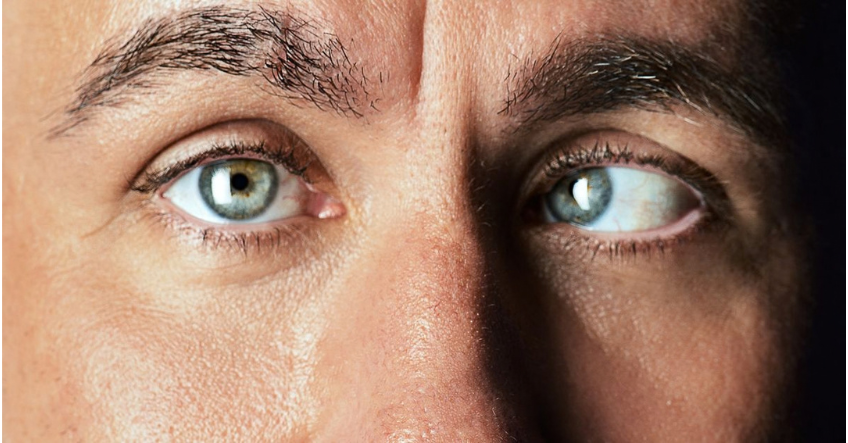
How Is Squint Treatment Planned?
Squint treatment is planned after assessing eye alignment, vision in each eye, eye movements and the underlying cause of the deviation.
There is no single treatment that is suitable for every patient with a squint. The approach can differ between children and adults and may also depend on whether the eye turn is constant or intermittent.
The ophthalmologist may consider:
- Vision in each eye
- Direction and extent of eye deviation
- Eye movement
- Refractive error
- Binocular visual function
- Presence of amblyopia
- Age at which the squint developed
- Any underlying eye or medical condition
The findings help determine whether observation, optical correction, other management or surgery may be appropriate.
What Happens During a Squint Evaluation?
A squint evaluation in Urapakkam involves more than checking whether the eyes appear straight.
The ophthalmologist may assess:
- Visual acuity in each eye
- Eye alignment
- Eye movements
- Refractive power
- How the eyes work together
- Depth-related visual function where appropriate
- General eye health
- Relevant medical and eye history
For children, the examination techniques can be adapted according to age and ability to cooperate.
For adults with a newly developed squint, the doctor may pay particular attention to the timing of onset and associated symptoms.
How Is the Amount of Eye Deviation Assessed?
The ophthalmologist evaluates the position of the eyes in relation to each other and determines the pattern and extent of the deviation.
Assessment may involve observing how the eyes respond when looking at different targets or directions.
This information helps the doctor understand:
- Whether the deviation is inward, outward or vertical
- Whether it is present constantly or intermittently
- Whether one eye is preferred
- Whether the alignment changes with different viewing conditions
The measurements contribute to treatment planning.
When Can Spectacles Help With Squint?
Spectacles may help manage certain forms of squint when an underlying refractive error contributes to the eye misalignment.
Correcting the refractive error can sometimes improve the way the eyes focus and work together.
The ophthalmologist determines whether glasses are appropriate after assessing the patient's prescription and eye alignment.
Spectacles may be particularly relevant in children because clear vision is important during visual development.
How Is Amblyopia Managed Alongside Squint?
When a child with squint also has amblyopia, treatment may address both the eye alignment problem and the difference in visual development.
Depending on the child's condition, management can include:
- Corrective spectacles
- Patching
- Monitoring of vision in each eye
- Treatment of the underlying refractive error
- Further assessment of eye alignment
The treatment schedule varies according to the child's age and clinical findings.
What Is Observation in Squint Care?
Not every squint requires immediate treatment or surgery.
In selected situations, the ophthalmologist may recommend observation and periodic assessment.
Monitoring can help determine whether:
- The deviation remains stable
- The eye turn becomes more frequent
- Vision changes
- Binocular function changes
- Additional treatment becomes necessary
The decision to observe should be based on the clinical assessment rather than simply assuming that the squint will resolve on its own.
When Is Non-Surgical Management Considered?
Non-surgical management may be appropriate when the clinical findings indicate that surgery is not currently required or when another treatment can address the contributing problem.
Depending on the patient, this may include:
- Spectacle correction
- Amblyopia treatment
- Observation
- Management of an underlying eye condition
- Other measures recommended by the ophthalmologist
The treatment approach can be reviewed if the eye alignment or visual function changes.
When Is Squint Surgery Considered?
Squint surgery may be considered when eye misalignment persists and the ophthalmologist determines that surgical correction is appropriate.
The decision can depend on:
- Type of squint
- Degree of eye deviation
- Frequency of the deviation
- Effect on visual function
- Previous treatment
- Patient age
- Underlying cause
- Individual treatment goals
Surgery is not automatically required for every patient with a squint.
What Is Squint Eye Surgery?
Squint surgery is an eye-muscle procedure designed to change the position or function of selected muscles that control eye movement.
The eye muscles determine how the eyes move and align.
During surgery, the ophthalmologist adjusts selected muscles to improve the alignment of the eyes.
The exact muscles and surgical approach depend on the patient's individual pattern of eye deviation.
How Is Squint Surgery Planned?
Before squint eye surgery in Urapakkam, the ophthalmologist evaluates the eye alignment and determines which muscles may need to be addressed.
Surgical planning can take into account:
- Type of deviation
- Amount of misalignment
- Eye movement
- Previous squint surgery
- Vision in each eye
- Other eye conditions
- Patient-specific surgical requirements
The surgical plan is therefore individual rather than identical for every patient.
Is Squint Surgery Performed the Same Way for Children and Adults?
No. The surgical approach and surrounding care can differ according to the patient's age and individual circumstances.
Children may require age-appropriate preparation and postoperative support.
Adults may have different symptoms, expectations and causes of eye misalignment.
The ophthalmologist determines the appropriate surgical plan after evaluating the patient.
What Happens During Squint Surgery?
During squint surgery, the ophthalmologist works on selected eye muscles to change their positioning or tension.
The purpose is to improve the alignment of the eyes.
The specific surgical technique depends on the patient's deviation and the muscles involved.
The type of anaesthesia and other surgical arrangements are determined according to the patient's age, health and clinical requirements.
Is Squint Surgery Only Done for Appearance?
No. Squint surgery can have functional as well as appearance-related goals.
Depending on the patient, surgery may be considered to improve:
- Eye alignment
- Ability to maintain a more coordinated eye position
- Symptoms associated with misalignment
- Abnormal head posture in selected cases
- Appearance of the eye position
The expected benefit depends on the underlying condition and the patient's individual circumstances.
Can Adults Benefit From Squint Surgery?
Yes. Adults with persistent or newly developed eye misalignment may be considered for squint surgery when clinically appropriate.
Adult squint can sometimes be associated with:
- Double vision
- Difficulty maintaining eye alignment
- Abnormal head positioning
- Eye strain
- Appearance-related concerns
Before surgery, the underlying cause of the adult squint should be appropriately assessed.
Can Children Undergo Squint Surgery?
Yes. Squint surgery can be considered in selected children when the ophthalmologist determines that surgical management is appropriate.
The timing depends on the type of squint, visual development, eye alignment and other clinical factors.
Some children may first require spectacles or amblyopia management, while others may require surgical assessment depending on their condition.
What Happens Before Squint Surgery?
Before surgery, the ophthalmologist reviews the patient's examination findings and confirms the surgical plan.
Patients or parents may discuss:
- Why surgery is being recommended
- Which eye muscles are involved
- Expected improvement
- Possible risks
- Anaesthesia arrangements
- Recovery expectations
- Follow-up schedule
Parents should provide the child's complete eye history and previous treatment details when applicable.
What Is Recovery Like After Squint Surgery?
Recovery after squint surgery varies according to the patient and the procedure performed.
Temporary symptoms can include:
- Eye redness
- Mild discomfort
- Watering
- Sensitivity
- Temporary changes in visual comfort
The eye may appear red for some time while healing takes place.
The ophthalmologist provides specific postoperative instructions according to the procedure and the patient's recovery.
What Care Is Needed After Squint Surgery?
Postoperative instructions may include:
- Using prescribed eye medicines
- Avoiding unnecessary rubbing of the eyes
- Keeping follow-up appointments
- Following activity restrictions
- Protecting the eyes from accidental injury
- Monitoring for unexpected symptoms
Parents should supervise young children during the recovery period and follow the instructions provided by the treating eye specialist.
When Is Follow-Up Needed After Squint Surgery?
Follow-up allows the ophthalmologist to assess healing and evaluate the alignment of the eyes after surgery.
During follow-up, the doctor may assess:
- Eye position
- Eye movement
- Visual function
- Healing of the operated area
- Residual or recurrent deviation
- Any postoperative concerns
The timing of appointments depends on the surgical procedure and the patient's individual recovery.
Can Squint Come Back After Surgery?
A squint can sometimes recur or residual misalignment can remain after surgery.
The outcome depends on factors such as:
- Type of squint
- Size of the original deviation
- Eye movement characteristics
- Underlying cause
- Previous surgery
- Individual healing and response
Patients should understand that surgery aims to improve alignment but cannot guarantee a permanently perfect eye position in every case.
What Are the Possible Risks of Squint Surgery?
As with any surgical procedure, squint surgery can have potential risks.
Possible complications can include:
- Infection
- Bleeding
- Inflammation
- Residual eye misalignment
- Recurrent deviation
- Double vision
- Need for additional treatment
The individual risks vary according to the patient and procedure.
The treating ophthalmologist should explain the relevant risks before surgery.
Can Squint Treatment Improve Vision?
Treatment of the eye alignment itself does not automatically restore vision that has already been lost.
If reduced vision is caused by amblyopia or an uncorrected refractive error, those issues may need separate management.
This is why squint care may involve both alignment assessment and evaluation of vision in each eye.
What If Squint Treatment Does Not Fully Correct the Alignment?
If residual misalignment remains after treatment, the ophthalmologist can reassess the eyes and determine the next appropriate step.
Depending on the findings, the patient may require:
- Continued observation
- Optical correction
- Additional treatment for associated visual problems
- Further surgical assessment in selected cases
The decision should be based on the patient's current eye alignment and visual function.
How Long Does Squint Treatment Take?
There is no single treatment duration for all patients.
The overall care period can depend on:
- Whether spectacles are required
- Presence of amblyopia
- Need for monitoring
- Type of squint
- Whether surgery is recommended
- Recovery after surgery
- Need for further follow-up
Some patients may require ongoing assessment rather than a single treatment visit.
Squint Treatment in Urapakkam: Individualised Management
A patient's squint treatment pathway may involve several stages:
Assessment
An ophthalmic evaluation of eye alignment, vision and related findings.
Identification of the Deviation
Understanding the type, pattern and extent of the eye misalignment.
Vision and Refractive Evaluation
Checking vision in each eye and any refractive error that may contribute to the condition.
Treatment Planning
Selecting an approach based on age, alignment, visual function and the underlying cause.
Non-Surgical Management or Surgery
Observation, spectacles, amblyopia care or surgery when clinically appropriate.
Follow-Up
Reviewing alignment, vision and the need for any further care.
The sequence can vary depending on whether the patient is a child or adult and on the underlying cause of the eye misalignment.
Preparing for a Squint Consultation
Before visiting a squint clinic in Urapakkam, patients or parents can prepare by noting:
- When the eye turn was first noticed
- Whether it occurs constantly or occasionally
- Which eye appears to turn
- Whether double vision occurs
- Whether the child closes one eye
- Previous spectacle use
- Previous eye treatments
- Any history of eye injury
This information can help the ophthalmologist understand the history of the eye alignment problem.
Making the Right Decision About Squint Treatment
Choosing squint eye treatment in Urapakkam should begin with understanding the reason for the eye misalignment and how it is affecting vision.
Treatment is not selected simply because an eye appears to turn. The ophthalmologist considers the patient's age, visual function, alignment pattern, previous treatment and underlying eye condition before recommending the next step.
For some patients, monitoring or optical correction may be appropriate. Others may require treatment for associated reduced vision, while selected patients may be considered for squint eye surgery in Urapakkam.
What Should Patients or Parents Discuss During Consultation?
A useful consultation should give the patient or parent a clear understanding of the condition and its management.
Important questions include:
- What type of squint is present?
- Is the deviation constant or intermittent?
- Is vision different between the two eyes?
- Is there an associated refractive error?
- Does the patient need spectacles?
- Is amblyopia present?
- Is surgery being considered?
- What is the expected purpose of treatment?
- What follow-up will be required?
- Are further assessments necessary?
Understanding these points can help patients make an informed decision about their eye care.
What Should Parents Bring for a Child's Squint Consultation?
Parents can make the consultation more informative by bringing:
- Previous eye examination reports
- Current spectacles
- Previous spectacle prescriptions
- Details of earlier squint treatment
- Information about when the eye turn was first noticed
- Any photographs showing the eye deviation, if relevant
- Details of other known medical or eye conditions
Parents should also tell the ophthalmologist whether the child closes one eye, tilts the head or experiences difficulty with visually demanding activities.
How Can Adults Prepare for a Squint Consultation?
Adults should note when the eye misalignment began and whether it has changed over time.
It is particularly useful to mention:
- Double vision
- Headaches
- Eye movement difficulty
- Previous eye injury
- Previous eye surgery
- Changes in vision
- Other relevant medical conditions
- Current medications
A new squint in adulthood should receive appropriate assessment because the underlying cause can differ from childhood-onset strabismus.
Understanding Treatment Versus Surgery
Patients searching for squint surgery in Urapakkam should understand that surgery is one possible component of squint management rather than the automatic treatment for every case.
The treatment decision depends on the clinical findings.
A patient may require:
Observation
when the ophthalmologist determines that immediate intervention is not necessary.
Optical correction
when refractive error contributes to the visual or alignment problem.
Amblyopia management
when reduced visual development is identified in a child.
Surgical treatment
when the eye alignment and clinical circumstances indicate that surgery may be appropriate.
Squint Management: What Determines the Next Step?
| Clinical Consideration | Why It Matters | Possible Direction of Care |
|---|---|---|
| Age when squint developed | Childhood and adult-onset deviations may have different considerations | Age-appropriate evaluation |
| Vision in each eye | Unequal vision can influence management | Refractive correction or amblyopia management when appropriate |
| Pattern of eye deviation | Different alignment patterns require different approaches | Individualised treatment planning |
| Frequency of eye turn | Constant and intermittent deviations may be managed differently | Monitoring or intervention based on findings |
| Double vision | Particularly relevant in adult-onset squint | Further assessment of eye alignment and underlying cause |
| Previous treatment | Earlier glasses, patching or surgery can affect planning | Review of previous management |
| Response to non-surgical care | Helps determine whether additional intervention may be needed | Continued management or further assessment |
| Surgical suitability | Not every patient requires or is suitable for surgery | Surgery considered only when clinically appropriate |
The table is a general guide. The appropriate treatment can only be determined after an individual ophthalmic assessment.
Dr. Vimala Karunanithi
Consultant Ophthalmologist
Dr. Vimala Karunanithi is a Consultant Ophthalmologist.
Areas of Interest
For patients seeking assessment of an eye-alignment concern, the appropriate evaluation should be based on the patient's symptoms, age, visual function and clinical findings.
The credentials provided for this website do not specifically identify Dr. Vimala Karunanithi as a squint specialist or strabismus surgeon. Therefore, those titles are not used on this page.
Squint Eye Treatment in Urapakkam
What is squint eye treatment?
Squint eye treatment involves managing an eye-alignment problem according to its cause, type, severity and effect on vision. Treatment may include spectacles, amblyopia management, observation or surgery in selected cases.
Where can I get squint eye treatment in Urapakkam?
Patients looking for squint eye treatment in Urapakkam can consult Deepam Eye Hospital for an ophthalmic assessment of eye alignment and visual function.
When is squint surgery required?
Squint surgery may be considered when persistent eye misalignment requires surgical correction and the ophthalmologist determines that surgery is appropriate for the patient's condition.
Can children undergo squint surgery?
Yes. Selected children may undergo squint surgery when the ophthalmologist determines that surgical management is appropriate.
Can adults have squint surgery?
Yes. Adults with persistent or newly developed eye misalignment may be considered for surgery after appropriate assessment.
Does every squint require surgery?
No. Some patients may be managed with spectacles, amblyopia treatment or observation, depending on the underlying condition.
Can squint cause double vision?
A newly developed squint in an adult can cause double vision because the eyes may not be pointing at the same target.
Can squint affect a child's vision?
Yes. Certain forms of childhood squint can interfere with normal visual development and may be associated with amblyopia.
Is squint treatment only for cosmetic improvement?
No. Treatment can have visual, functional and alignment-related goals, depending on the patient's condition.
Frequently Asked Questions
Some forms of squint can be managed without surgery, depending on the cause. Spectacles, amblyopia treatment or observation may be appropriate in selected patients.
An ophthalmic assessment is needed if an eye consistently or intermittently turns, or if there are associated visual concerns. The examination determines whether treatment is required.
Squint surgery is performed to improve eye alignment, but like other surgical procedures, it carries potential risks. The individual risks should be discussed with the treating ophthalmologist.
Residual or recurrent misalignment can occur in some patients. Follow-up allows the ophthalmologist to assess the alignment after surgery.
Surgery primarily addresses eye alignment. If reduced vision is caused by amblyopia or refractive error, those conditions may require separate management.
In some patients, correcting the underlying refractive error can improve eye alignment. The ophthalmologist determines whether spectacles are appropriate.
Yes. A new squint in an adult can have different causes and may be associated with double vision or other symptoms, so appropriate assessment is important.
Recovery varies according to the patient and procedure. Temporary redness, watering and discomfort can occur while the eye heals. The treating ophthalmologist provides individual postoperative instructions.
Treatment can improve eye alignment in appropriately selected patients, but a perfectly aligned result cannot be guaranteed in every case.
Patients searching for squint eye surgery in Urapakkam can consult an ophthalmologist at Deepam Eye Hospital to determine whether surgical treatment is appropriate for their particular eye-alignment condition.
Medical Disclaimer
This page provides general educational information about squint and its treatment. It does not replace an individual eye examination or medical advice. The need for spectacles, observation, amblyopia management or squint surgery depends on the patient's age, eye alignment, visual function and underlying condition. Sudden eye misalignment, double vision, significant eye pain or sudden vision changes require prompt medical assessment.
Book a Squint Eye Consultation in Urapakkam
An eye that turns inward, outward, upward or downward deserves appropriate assessment, particularly when the change is persistent, worsening or associated with visual symptoms.
If you are searching for squint eye treatment in Urapakkam, squint eye surgery in Urapakkam, or an eye hospital for squint in Urapakkam, Deepam Eye Hospital can be considered for an ophthalmic evaluation.
Book a consultation to understand the cause of the eye misalignment and discuss the appropriate treatment pathway.
Contact Us