- For appointment (+91) 97906 97907
Cornea Surgery in Urapakkam
The cornea is the clear, curved front surface of the eye that helps focus incoming light. When the cornea becomes scarred, swollen, irregular, infected or otherwise damaged, vision can become blurred or distorted. Depending on the underlying condition, patients may require medical treatment, specialised monitoring or, in selected cases, corneal surgery.
For patients searching for cornea care in Urapakkam, the first step is identifying the cause of the corneal problem through an appropriate eye examination. Treatment is not the same for every corneal condition. The ophthalmologist considers the location and severity of corneal damage, the health of the surrounding eye structures and the patient's visual symptoms before deciding on an appropriate treatment approach.
At Deepam Eye Hospital, Urapakkam, patients can seek professional evaluation for corneal concerns and discuss suitable treatment options with the treating eye specialist.
Cornea care involves evaluating and treating conditions affecting the clear front surface of the eye. Depending on the condition, treatment may range from medical management and monitoring to specialised corneal procedures or transplantation when clinically indicated.

What Is the Cornea?
The cornea is the transparent front layer of the eye that helps focus light for vision.
Because it is positioned at the front of the eye, the cornea can be affected by infections, injuries, inflammation, structural abnormalities, inherited disorders and other conditions.
When the cornea loses its normal clarity or shape, light may not focus correctly on the retina. This can result in reduced visual clarity, distortion, glare or other vision-related symptoms.
The appropriate treatment depends on the specific condition affecting the cornea. A person experiencing visual changes should therefore undergo an eye examination before assuming that corneal surgery or a transplant is required.
What Are Common Symptoms of Corneal Problems?
Corneal conditions can present differently depending on their underlying cause.
Possible symptoms include:
- Blurred vision
- Distorted vision
- Reduced visual clarity
- Eye pain or discomfort
- Redness
- Excessive watering
- Sensitivity to light
- Foreign-body sensation
- Difficulty seeing clearly
- Glare or visual disturbances
- Changes in the appearance of the cornea
Some corneal problems can develop gradually, while others may cause more sudden symptoms.
A sudden change in vision, significant eye pain, marked redness or light sensitivity should receive prompt medical attention.
What Can Cause Corneal Problems?
The cornea can be affected by different conditions and circumstances. The underlying cause is important because treatment varies according to the type and severity of corneal disease.
Potential causes or contributing factors can include:
- Eye injuries
- Corneal infections
- Corneal ulcers
- Corneal scarring
- Certain inherited corneal disorders
- Corneal degeneration
- Abnormal corneal shape
- Corneal swelling
- Previous eye surgery
- Other ocular conditions
Not every corneal condition requires surgery. An ophthalmologist must assess the cornea and determine the appropriate treatment.
How Can Corneal Damage Affect Vision?
The cornea plays a major role in focusing light. When its transparency or shape is affected, vision may become less clear.
Depending on the condition, patients may experience:
- Blurred images
- Distorted images
- Reduced sharpness
- Difficulty recognising fine details
- Glare
- Light sensitivity
- Difficulty performing visually demanding tasks
Corneal problems can affect one or both eyes, and the severity can vary significantly between individuals.
For this reason, cornea treatment in Urapakkam should begin with identifying the specific condition rather than choosing a treatment based only on symptoms.
What Is Corneal Scarring?
Corneal scarring occurs when damage to the cornea results in an area of tissue that can interfere with its normal transparency.
Scarring can occur following certain infections, injuries or other corneal conditions.
The effect on vision depends on factors such as the location, depth and extent of the scar. A scar affecting the central visual axis can have a different visual impact from one located away from the centre.
An ophthalmologist can evaluate the cornea and determine whether the scar can be managed conservatively or whether a procedure may need to be considered.
What Is Corneal Swelling?
Corneal swelling, also called corneal edema, occurs when excess fluid accumulates within the cornea.
It can affect the transparency of the cornea and may contribute to blurred or hazy vision. The cause of swelling needs to be identified before deciding on treatment.
Depending on the underlying condition, management may involve medical treatment, observation or a procedure to address the affected corneal tissue.
What Is Keratoconus?
Keratoconus is a condition in which the cornea becomes progressively thinner and changes shape, often becoming more cone-like.
This irregular shape can affect how light is focused and may lead to blurred or distorted vision.
Patients may experience changes in spectacle prescriptions or difficulty achieving clear vision with conventional correction.
Management depends on the severity and progression of the condition. Some patients may be managed with vision correction or other corneal treatments, while advanced disease may require consideration of a corneal transplant.
When Should You See a Cornea Specialist?
Consider an eye examination when you experience persistent or worsening changes such as:
- Progressive blurred vision
- Unexplained visual distortion
- Persistent eye discomfort
- Significant light sensitivity
- Recurrent corneal problems
- Corneal scarring
- Persistent corneal swelling
- Difficulty achieving clear vision with usual correction
- A known corneal condition requiring monitoring
Early assessment can help determine the cause of the problem and whether further corneal evaluation or treatment is required.
For patients searching for a cornea specialist in Urapakkam, the appropriate first step is a clinical examination rather than choosing treatment based solely on an online description.
How Are Corneal Conditions Evaluated?
Corneal evaluation involves examining the cornea and assessing how its condition is affecting vision.
The ophthalmologist may consider:
- Visual symptoms
- Visual acuity
- Corneal clarity
- Corneal shape
- Corneal thickness where clinically relevant
- Previous eye history
- Previous infections or injuries
- Other existing eye conditions
Additional diagnostic tests may be recommended depending on the suspected condition.
The purpose of the evaluation is to identify the underlying problem and determine the most appropriate management.
Does Every Corneal Problem Require Surgery?
No. Not every corneal condition requires surgery or a corneal transplant.
Some conditions may be managed with medical treatment, vision correction, monitoring or other nonsurgical approaches.
Corneal surgery is considered only when the patient's condition and clinical findings indicate that a procedure may be appropriate.
This distinction is important for patients searching for cornea surgery in Urapakkam, because the right treatment depends on the diagnosis rather than the keyword they searched for.
What Is Cornea Surgery?
Cornea surgery refers to procedures performed to treat certain conditions affecting the structure, clarity or function of the cornea.
The type of procedure depends on which part of the cornea is affected and the underlying disease.
In selected cases, only a particular layer of the cornea may need to be treated or replaced. In other situations involving more extensive corneal damage, a full-thickness transplant may be considered.
Therefore, cornea surgery in Urapakkam is not one single procedure. The appropriate surgical option depends on the patient's diagnosis and corneal condition.
What Is a Corneal Transplant?
A corneal transplant, also called keratoplasty, replaces damaged or diseased corneal tissue with healthy donor corneal tissue.
The transplant may involve the full thickness of the cornea or only selected layers, depending on which part of the cornea is affected.
A corneal transplant may be considered in selected cases involving significant corneal damage, scarring, swelling or other conditions where the cornea is unable to provide adequate visual function.
The decision to recommend transplantation requires an individual assessment by an ophthalmologist.
When May Cornea Transplant Surgery Be Considered?
A corneal transplant may be considered when significant corneal disease or damage cannot be adequately managed through other appropriate treatment options.
Conditions that may sometimes lead to consideration of corneal transplantation include:
- Significant corneal scarring
- Certain corneal dystrophies
- Advanced keratoconus
- Severe corneal swelling
- Certain corneal infections or their resulting scars
- Corneal damage following injury
- Other diseases affecting the transparency or structure of the cornea
The exact indication varies between patients. A corneal transplant should not be considered solely because a person has a corneal condition.
Full-Thickness and Partial-Thickness Corneal Transplants
Corneal transplantation is not necessarily the same procedure for every patient.
Full-Thickness Corneal Transplant
A full-thickness corneal transplant, also known as penetrating keratoplasty, replaces the affected full thickness of the cornea with donor tissue. It may be considered when disease or damage involves the cornea extensively.
Partial-Thickness Corneal Transplant
A partial-thickness transplant replaces only the affected layers of the cornea while preserving healthier layers where possible.
Different forms of lamellar keratoplasty address different layers of the cornea. The appropriate procedure depends on the location and nature of the corneal disease.
This is why an individual corneal assessment is essential before deciding which type of surgery may be appropriate.
Why Is a Detailed Cornea Evaluation Important Before Transplant Surgery?
A corneal transplant is a significant surgical decision. Before it is considered, the ophthalmologist needs to understand the underlying corneal disease and assess whether transplantation is appropriate.
The evaluation can help determine:
- Which part of the cornea is affected
- How severely the cornea is damaged
- Whether other eye structures are healthy
- Whether nonsurgical treatment remains appropriate
- Whether corneal surgery should be considered
- Which type of transplant may be suitable if surgery is required
This patient-specific assessment helps ensure that treatment decisions are based on clinical findings rather than a generalised approach.
Cornea Care in Urapakkam: Start With the Right Diagnosis
If you are searching for a cornea surgery hospital in Urapakkam or a cornea transplant hospital in Urapakkam, the first step should still be a proper eye evaluation.
A diagnosis helps determine whether the problem involves corneal scarring, swelling, keratoconus, infection, an inherited condition or another cause of visual impairment.
Once the underlying condition is understood, the ophthalmologist can explain the appropriate treatment pathway, including whether surgery or transplantation should be considered.
How Is Cornea Surgery Planned?
The approach to cornea surgery in Urapakkam depends on the specific condition affecting the cornea. Before recommending a procedure, the ophthalmologist evaluates the extent of corneal damage, its effect on vision and the overall health of the eye.
Surgical planning may take into account:
- The underlying corneal disease
- Location and depth of corneal damage
- Degree of visual impairment
- Corneal thickness and shape where relevant
- Condition of other eye structures
- Previous eye injuries or procedures
- Previous treatments and their response
This assessment helps determine whether surgery is appropriate and, if so, which type of corneal procedure may be suitable.
What Happens Before Corneal Surgery?
Before a cornea surgery in Urapakkam procedure is scheduled, the patient undergoes an eye assessment and discusses their symptoms and medical history with the ophthalmologist.
The doctor may need information about:
- Previous eye infections
- Previous corneal injuries
- Existing eye conditions
- Previous eye surgeries
- Current medicines
- Changes in vision
- Contact lens use, where relevant
Any existing health condition or medication should be disclosed to the treating medical team so that surgical planning can take the patient's overall circumstances into account.
How Is Corneal Surgery Different From a Corneal Transplant?
Corneal surgery is a broad term covering different procedures used to treat specific corneal conditions, while a corneal transplant involves replacing diseased or damaged corneal tissue with donor tissue.
Not every corneal surgery involves donor tissue.
Depending on the condition, treatment may involve a procedure directed at the corneal surface, shape or specific diseased layer. A transplant may be considered when damaged corneal tissue needs to be replaced.
The appropriate procedure is determined by the diagnosis and the part of the cornea affected.
What Is a Full-Thickness Corneal Transplant?
A full-thickness corneal transplant replaces the entire thickness of the damaged cornea with donor corneal tissue.
This type of transplant is known as penetrating keratoplasty.
It may be considered when disease or damage affects the cornea extensively and a full-thickness replacement is clinically appropriate.
Whether this procedure is suitable depends on the individual patient's corneal condition and the health of the rest of the eye.
What Is a Partial-Thickness Corneal Transplant?
A partial-thickness corneal transplant replaces only the diseased or damaged layers of the cornea while preserving healthier layers where possible.
These procedures are also referred to as lamellar keratoplasty.
Different layers of the cornea can be affected by different diseases. Therefore, a partial-thickness technique may be considered when the disease is limited to particular corneal layers.
The specific procedure depends on the patient's diagnosis and corneal assessment.
Why Does the Type of Corneal Transplant Matter?
The cornea consists of several layers, and different conditions may affect different parts of it.
Understanding which layer is affected can help the ophthalmologist determine whether a full-thickness or layer-specific procedure may be appropriate.
The decision may depend on:
- The location of disease
- Depth of corneal damage
- Corneal clarity
- Corneal structure
- Visual impairment
- Overall eye health
Patients considering cornea transplant surgery in Urapakkam should discuss the proposed procedure with their ophthalmologist and understand why it has been recommended for their particular condition.
What Is Donor Corneal Tissue?
Donor corneal tissue is healthy corneal tissue obtained through an appropriate eye donation and tissue-processing system for transplantation.
A corneal transplant does not use tissue from another patient who is undergoing surgery. Donor tissue is specifically recovered and prepared for transplantation through regulated processes.
The suitability and availability of donor tissue are important considerations when a corneal transplant is planned.
How Is Corneal Transplant Surgery Performed?
The surgical approach depends on whether the patient requires a full-thickness or partial-thickness transplant.
In general, the diseased or damaged corneal tissue targeted for treatment is removed or replaced, and suitable donor corneal tissue is positioned in the eye.
The exact surgical technique, method of securing the donor tissue and postoperative treatment depend on the specific type of transplant and the patient's condition.
Patients should ask their ophthalmologist which transplant technique is being considered and why it is appropriate for their eye.
What Can Patients Expect During Cornea Transplant Surgery?
The details of the procedure can differ depending on the type of corneal transplant.
Before surgery, the treating team provides instructions regarding preparation and anaesthesia. During the procedure, the surgeon addresses the affected corneal tissue according to the planned technique and places the donor tissue when transplantation is required.
The patient's individual medical circumstances can influence the surgical plan.
A consultation is therefore important for understanding what will happen during the specific procedure being recommended.
Is Cornea Surgery Painful?
The type and level of discomfort associated with corneal surgery can vary depending on the procedure and the individual patient.
Anaesthesia is used during surgery according to the surgical and clinical requirements. Some patients may experience discomfort, irritation, watering or light sensitivity during the recovery period.
Patients should discuss concerns about pain, anaesthesia and postoperative discomfort with their ophthalmologist before surgery.
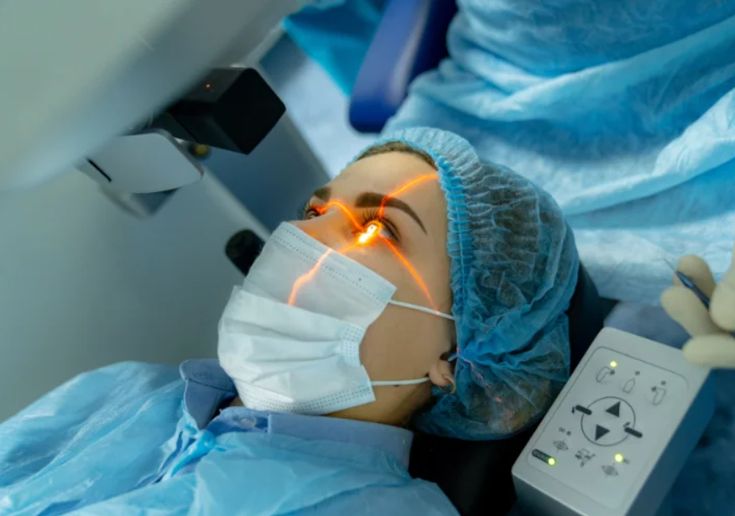

What Happens After Corneal Surgery?
The recovery period after corneal surgery depends on the type of procedure performed and the patient's individual healing process.
Postoperative care may involve:
- Prescribed eye drops
- Medicines as directed
- Protective measures for the operated eye
- Scheduled follow-up examinations
- Activity precautions
- Monitoring of vision
- Monitoring of corneal healing
Patients should follow the instructions given by their treating ophthalmologist rather than using another patient's recovery schedule.
Cornea Transplant Recovery
Recovery after a corneal transplant can take time, and visual improvement may occur gradually rather than immediately.
The recovery period can vary depending on:
- Type of transplant
- Underlying corneal disease
- Condition of the eye
- Healing response
- Postoperative complications
- Follow-up findings
Visual recovery and stabilisation can therefore differ substantially between patients.
Your ophthalmologist can provide guidance based on the specific procedure performed and the progress of your eye during follow-up.
What Precautions May Be Needed After Cornea Surgery?
Postoperative precautions are individualised according to the procedure and the patient's recovery.
Patients may be advised to:
- Use prescribed eye drops correctly
- Avoid rubbing or pressing the operated eye
- Protect the eye as instructed
- Follow activity restrictions
- Attend scheduled follow-up appointments
- Report unexpected symptoms promptly
Do not change postoperative medicines or discontinue prescribed eye drops without discussing this with the treating ophthalmologist.
Why Are Follow-Up Visits Important After Corneal Surgery?
Follow-up is an important part of corneal surgical care because the ophthalmologist needs to monitor the condition of the operated eye during recovery.
Follow-up assessment may include evaluation of:
- Vision
- Corneal healing
- Corneal clarity
- Eye pressure where clinically appropriate
- The condition of the transplanted tissue when applicable
- Signs of inflammation or other complications
The frequency and duration of follow-up depend on the procedure and the patient's clinical course.
What Is Corneal Transplant Rejection?
Corneal transplant rejection occurs when the body's immune system reacts against transplanted donor corneal tissue.
Rejection does not occur in every transplant, but it is an important potential complication that patients should understand.
Possible warning symptoms can include:
- Increasing redness
- Increasing light sensitivity
- Reduced or blurred vision
- Eye discomfort or pain
Patients who notice new or worsening symptoms after a corneal transplant should contact their treating ophthalmologist promptly.
Early medical assessment is important when transplant-related complications are suspected.
Can a Corneal Transplant Fail?
A corneal transplant does not guarantee a particular visual result, and complications can affect the outcome.
Factors that may influence the result include:
- Underlying corneal disease
- Condition of the eye
- Healing response
- Transplant rejection
- Infection or inflammation
- Other eye conditions
- Postoperative care and follow-up
The ophthalmologist can explain the relevant risks and expected course based on the patient's individual circumstances.
What Are the Possible Risks of Cornea Surgery?
As with other surgical procedures, corneal surgery can involve potential complications.
Depending on the procedure, these may include:
- Infection
- Inflammation
- Changes in vision
- Corneal healing problems
- Changes in eye pressure
- Transplant rejection where donor tissue is used
- Need for additional treatment or surgery
The risks are not identical for every procedure. Patients should discuss the specific risks associated with their planned surgery with the treating ophthalmologist.
When Should You Contact Your Eye Specialist After Surgery?
Patients should follow the postoperative instructions given by their ophthalmologist and seek medical advice if they develop unexpected or worsening symptoms.
Particular attention should be given to:
- Sudden reduction in vision
- Increasing eye pain
- Increasing redness
- New or worsening light sensitivity
- Significant swelling
- Increasing discomfort
- Other unusual changes in the operated eye
These symptoms should not be ignored, particularly following a corneal transplant.
Can Vision Improve After Cornea Surgery?
Visual improvement after corneal surgery depends on the underlying disease, the type of procedure, the condition of the rest of the eye and the individual healing process.
A corneal procedure may address the corneal problem, but other eye conditions can also influence vision.
For this reason, patients should discuss realistic expectations with their ophthalmologist rather than relying on another person's surgical outcome.
How Long Does Cornea Surgery Recovery Take?
There is no single recovery timeline for all corneal procedures.
Recovery can differ according to:
- Type of cornea surgery
- Type of transplant, if applicable
- Severity of the original disease
- Healing response
- Presence of complications
- Overall eye health
Some patients may experience changes in vision during the healing period, while visual stabilisation may take longer.
The treating ophthalmologist can provide more relevant recovery guidance based on the actual procedure performed.
Cornea Surgery in Urapakkam: From Evaluation to Follow-Up
The treatment journey for a patient considering cornea surgery in Urapakkam can involve several stages:
For example, a patient may initially be managed with:
Corneal evaluation
Diagnosis
Treatment planning
Surgical assessment
Procedure when appropriate
Postoperative care
Follow-up
Each stage has a specific purpose.
The initial evaluation establishes the condition affecting the cornea. Treatment planning determines whether surgery is appropriate and what procedure may be considered. After surgery, follow-up allows the ophthalmologist to monitor healing and identify potential complications.
Cornea Transplant Hospital in Urapakkam: What Patients Should Understand
Patients searching for a cornea transplant hospital in Urapakkam should understand that transplantation is not automatically appropriate for every corneal condition.
A transplant may be considered only when the patient's corneal disease and clinical findings support that treatment option.
Before making a decision, patients should understand:
- Their specific corneal diagnosis
- Why transplantation is being considered
- Whether other treatment options are available
- What type of transplant is proposed
- Expected postoperative care
- Follow-up requirements
- Potential complications
This helps patients approach corneal treatment with realistic expectations and appropriate medical guidance.
Choosing a Cornea Surgery Hospital in Urapakkam
When searching for a cornea surgery hospital in Urapakkam, patients should consider the complete treatment pathway rather than the surgical procedure alone.
Important aspects to discuss during a consultation include:
- The specific corneal condition
- The reason surgery may be recommended
- Whether nonsurgical options are available
- The type of procedure being considered
- Whether a corneal transplant is required
- Expected postoperative care
- Follow-up requirements
- Potential risks and complications
This allows the patient to understand the proposed treatment before making a decision.
Cornea Treatment Hospital in Urapakkam
Patients searching for a cornea treatment hospital in Urapakkam may have conditions ranging from corneal surface problems to deeper structural disorders.
The appropriate treatment depends on the diagnosis. Depending on the condition, management may involve observation, medical treatment, vision correction, a corneal procedure or transplantation.
A consultation helps establish which approach is relevant to the individual patient rather than assuming that surgery is required.
What Should Patients Ask Before Cornea Surgery?
Before undergoing a corneal procedure, patients should have an opportunity to understand their diagnosis and proposed treatment.
Useful questions include:
- What condition is affecting my cornea?
- How is it affecting my vision?
- Is surgery necessary in my case?
- Are there other treatment options?
- Which type of corneal procedure is being recommended?
- If a transplant is required, which type is appropriate?
- What should I expect during recovery?
- How frequently will follow-up be required?
- What symptoms should I report after surgery?
Clear communication with the treating ophthalmologist can help patients understand their individual treatment plan.
Understanding Individualised Corneal Treatment
Corneal treatment cannot be standardised for every patient because the underlying conditions can be very different.
One patient may have corneal scarring following an injury, while another may have keratoconus or a condition affecting a particular corneal layer. Their treatment requirements may therefore be completely different.
Factors that can influence treatment planning include:
- Diagnosis
- Severity of corneal disease
- Location of the affected tissue
- Visual impairment
- Overall eye health
- Previous treatment
- Existing eye conditions
- Individual clinical findings
This is why professional evaluation is essential before deciding on cornea surgery in Urapakkam.
About the Doctor
Dr. Vimala Karunanithi
Consultant Ophthalmologist
Dr. Vimala Karunanithi is a Consultant Ophthalmologist who completed her DO. Patients seeking cornea surgery in Urapakkam can discuss their individual eye concerns with Dr. Vimala Karunanithi and undergo an appropriate ophthalmic evaluation to understand their condition and treatment requirements.
Areas of Interest
Cornea Surgery in Urapakkam — A Patient-Focused Approach
For someone searching for cornea surgery in Urapakkam, the most important consideration is not simply finding a procedure but understanding whether that procedure is appropriate for the individual eye condition.
The treatment journey should focus on:
- Accurate evaluation
- Correct diagnosis
- Appropriate treatment planning
- Surgical care when indicated
- Postoperative monitoring
This approach helps patients understand why a particular treatment has been recommended and what they can expect from the next stage of care.
Quick Answers — Cornea Surgery in Urapakkam
What is cornea surgery?
Cornea surgery refers to procedures performed to treat specific conditions affecting the structure, clarity or function of the cornea. The appropriate procedure depends on the underlying diagnosis.
When is cornea surgery required?
Cornea surgery may be considered when a corneal condition causes significant visual or structural problems and appropriate nonsurgical treatment is insufficient or unsuitable.
Is every corneal condition treated with surgery?
No. Some corneal conditions can be managed with medical treatment, vision correction or monitoring. Surgery is considered only when clinically appropriate.
What is corneal transplant surgery?
Corneal transplant surgery replaces damaged or diseased corneal tissue with healthy donor corneal tissue. Depending on the condition, the transplant may involve the full thickness or selected layers of the cornea.
When is a corneal transplant considered?
A corneal transplant may be considered for selected patients with significant corneal disease or damage that cannot be adequately managed with other suitable treatments.
What is the difference between a full and partial corneal transplant?
A full-thickness transplant replaces the entire thickness of the cornea, while a partial-thickness transplant replaces only the affected layers when appropriate.
How long does recovery after cornea surgery take?
Recovery varies according to the type of procedure, the underlying corneal condition, the health of the eye and the individual healing process.
Can a corneal transplant be rejected?
Yes. Corneal transplant rejection is a possible complication in which the immune system reacts against donor tissue. New redness, light sensitivity, discomfort or reduced vision after transplantation should be assessed promptly.
Where can I get cornea surgery in Urapakkam?
Patients searching for cornea surgery in Urapakkam can consult Deepam Eye Hospital for professional evaluation and discussion of appropriate corneal treatment.
How do I know whether I need a corneal transplant?
An ophthalmologist needs to examine the cornea and determine the underlying condition, its severity and whether other treatment options are appropriate before recommending transplantation.
Frequently Asked Questions About Cornea Surgery in Urapakkam
Symptoms can include blurred or distorted vision, eye discomfort, redness, watering, light sensitivity, glare and difficulty seeing clearly. Symptoms vary according to the underlying condition.
Yes. The effect depends on the size, depth and location of the scar. Scarring involving the central visual area can have a greater effect on vision.
Yes. Keratoconus affects the shape and structure of the cornea and can cause blurred or distorted vision.
No. Treatment depends on the severity and progression of keratoconus. A transplant may be considered in selected advanced cases when clinically appropriate.
The experience varies according to the procedure. Anaesthesia is used during surgery as appropriate, while some patients may experience discomfort or light sensitivity during recovery.
The patient requires postoperative care and regular follow-up so the ophthalmologist can monitor healing, vision and the condition of the transplanted tissue.
Visual improvement varies between patients and depends on the underlying condition, type of transplant, overall eye health and healing process.
Increasing redness, light sensitivity, eye discomfort or reduced vision can require prompt medical assessment because they may indicate a postoperative complication, including possible rejection.
Start with an appropriate eye evaluation and discuss the diagnosis, proposed procedure, alternatives, risks, recovery and follow-up requirements with the treating ophthalmologist.
Patients seeking cornea treatment in Urapakkam can consult Deepam Eye Hospital for evaluation of corneal conditions and discussion of suitable treatment options.
Book a Cornea Consultation in Urapakkam
Persistent blurred vision, distortion, eye discomfort or other changes affecting the cornea should be professionally evaluated rather than self-diagnosed.
If you are searching for cornea surgery in Urapakkam, cornea transplant surgery in Urapakkam, or a cornea treatment hospital in Urapakkam, Deepam Eye Hospital can be considered for professional assessment and treatment discussion.
Book an eye consultation to understand your corneal condition and discuss the appropriate next step with the treating eye specialist.
Medical Disclaimer
This page provides general educational information about corneal conditions, cornea surgery and corneal transplantation. It is not a substitute for an individual eye examination, diagnosis or medical advice. The need for surgery, choice of procedure, suitability for corneal transplantation, postoperative treatment and recovery guidance should be determined by the treating ophthalmologist based on the patient's individual clinical condition.
Professional Cornea Evaluation at Deepam Eye Hospital, Urapakkam
Persistent blurred vision, distortion, eye discomfort or other corneal symptoms should be professionally evaluated. At Deepam Eye Hospital, Urapakkam, patients can discuss their corneal condition and the appropriate next step with the treating eye specialist.
Consult Dr. Vimala Karunanithi (MBBS, DO) at Deepam Eye Hospital, Urapakkam, for ophthalmic evaluation and discussion of suitable corneal treatment options.
Backed by our hospitals and healthcare centres in Tambaram, Guduvanchery, and Singaperumal Koil, together with centres in Perungalathur, Urapakkam, and Maraimalai Nagar, Deepam Eye Hospitals delivers trusted cornea care, timely evaluation, and patient-focused treatment to support every stage of your eye health journey.
Contact Us